22 Indian Seafarers Safe After Iran Targets Ships in Strait of Hormuz
Synopsis
All 22 Indian seafarers aboard two Panama-flagged ships targeted by Iranian military forces in the Strait of Hormuz are safe, India's Shipping Ministry confirmed. Over 2,680 Indian seafarers have been repatriated from the Gulf so far, as New Delhi keeps its crisis response machinery on full alert amid escalating regional tensions.
Key Takeaways
All 22 Indian seafarers aboard two Iranian-targeted ships in the Strait of Hormuz are confirmed safe as of April 23, 2025 .
Vessel Euphoria (21 Indian crew) and Vessel Epaminondas (1 Indian crew), both Panama-flagged , were the vessels attacked by Iranian military forces .
Indian-flagged crude tanker Desh Garima , carrying 31 Indian seafarers , safely returned to Mumbai after crossing Hormuz on April 18 .
The DG Shipping Control Room has handled 7,403 calls and 15,639 emails since activation, with 161 calls and 320 emails in the last 24 hours.
More than 2,680 Indian seafarers have been safely repatriated from the Gulf, including 65 in the past 24 hours .
Approximately 12,12,000 passengers have travelled from the Gulf region to India since February 28 , with around 110 UAE-India flights expected on Thursday.
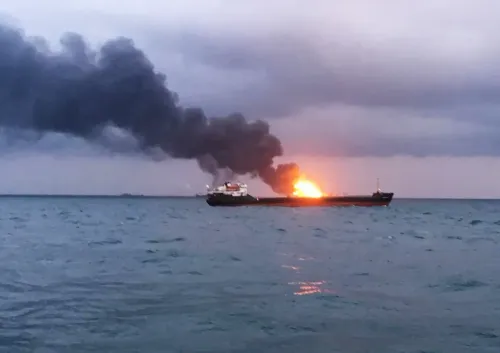
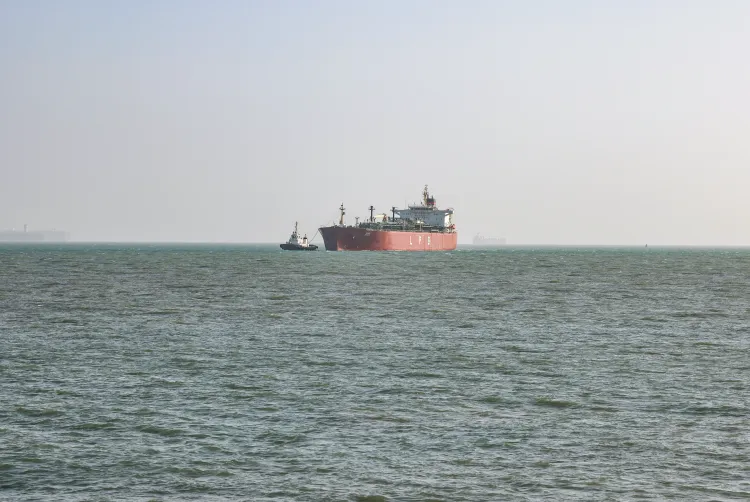
New Delhi, April 23: All 22 Indian seafarers aboard two foreign-flagged vessels attacked by Iranian military forces in the Strait of Hormuz within the last 24 hours are confirmed safe, the Ministry of Ports, Shipping and Waterways announced on Thursday, April 23. The vessels — Vessel Euphoria and Vessel Epaminondas, both Panama-flagged container ships — came under Iranian fire in one of the world's most strategically critical maritime chokepoints. The Indian government confirmed it is actively monitoring the situation and coordinating with multiple agencies to protect Indian nationals in the region.
Which Ships Were Targeted and How Many Indians Were Onboard
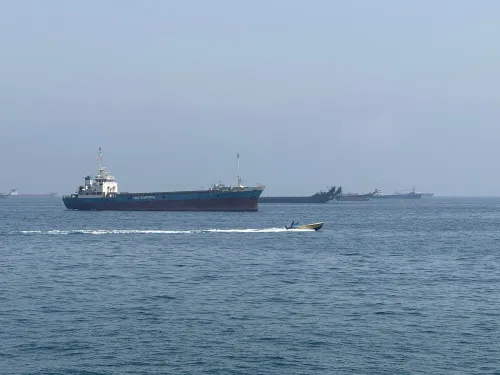
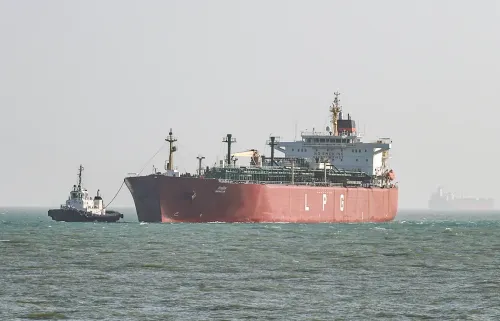
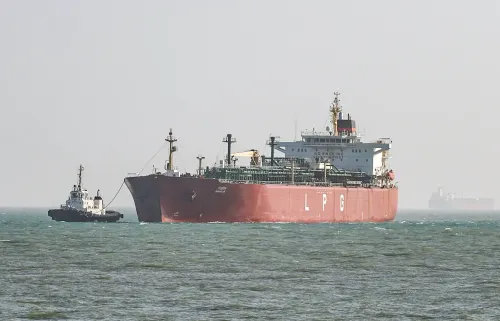
Vessel Euphoria, a Panama-flagged container ship, had 21 Indian seafarers onboard at the time of the Iranian military action. Vessel Epaminondas, also a Panama-flagged container ship, carried 1 Indian seafarer. Both vessels were operating in the Strait of Hormuz, a narrow waterway through which nearly 20% of the world's oil supply transits daily, making it one of the most geopolitically sensitive maritime corridors on earth.
The Ministry confirmed that all other Indian seafarers currently operating in the Persian Gulf region are also safe. This comes amid an escalating pattern of Iranian military assertiveness in the Gulf, which has raised alarms across global shipping communities and insurance markets.
Desh Garima Returns Safely to Mumbai
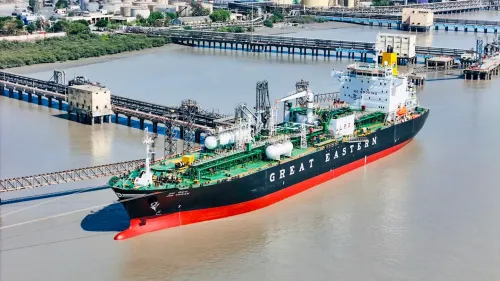
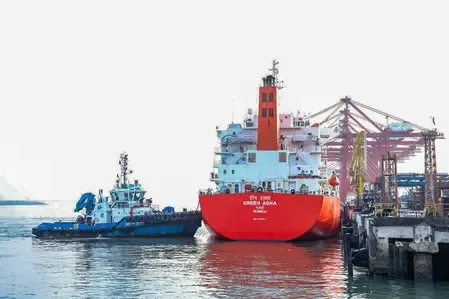
In a significant development, the Indian-flagged crude oil tanker Desh Garima, carrying 31 Indian seafarers, safely crossed the Strait of Hormuz on April 18 and docked in Mumbai on Wednesday. The vessel's safe return is being seen as a relief amid rising tensions in the Gulf waterways.
The safe passage and return of Desh Garima underscores the Indian government's intensified coordination with shipping operators to ensure vessels with Indian crew navigate high-risk zones with maximum precaution and real-time support.
Government Response: DG Shipping, MEA and Indian Missions on High Alert
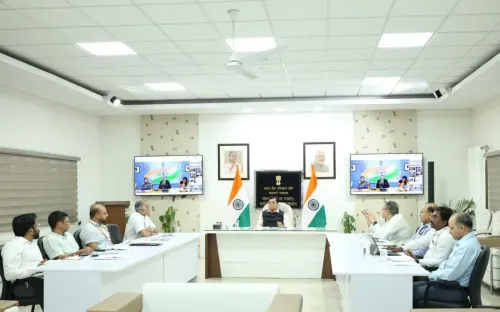
The Ministry of Ports, Shipping and Waterways stated it is actively coordinating with the Ministry of External Affairs (MEA), Indian diplomatic missions abroad, and maritime industry stakeholders to safeguard seafarer welfare and maintain uninterrupted maritime operations.
The DG Shipping Control Room has handled a staggering 7,403 calls and over 15,639 emails since its activation. In the past 24 hours alone, the control room received 161 calls and 320 emails, reflecting the scale of anxiety among seafarers' families and industry operators.
The Directorate General of Shipping (DG Shipping) has so far facilitated the safe repatriation of more than 2,680 Indian seafarers, including 65 in the last 24 hours from various locations across the Gulf region. Indian Missions are providing consular assistance, coordinating with local authorities, and actively helping seafarers with return-to-India requests.
Flight Situation and Broader Indian Community Safety
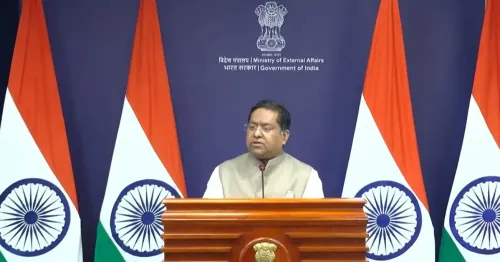
The Ministry of External Affairs continues to monitor developments across the Gulf and West Asia region, with dedicated special control rooms operational and working in coordination with Indian missions. The MEA is also in regular contact with state governments and Union Territories to align efforts and share real-time information.
Indian Missions and Posts are running round-the-clock helplines and proactively assisting Indian nationals. Ambassadors are engaging directly with Indian community associations, professional groups, and Indian companies to address concerns on the ground.
On the aviation front, the overall flight situation is gradually improving. Since February 28, approximately 12,12,000 passengers have travelled from the Gulf region to India. In the UAE, airlines are operating limited commercial flights based on safety and operational considerations, with around 110 flights expected on Thursday. Port operations across India remain normal, with no congestion reported at any major port.
Why This Matters: Strategic and Geopolitical Implications
The Strait of Hormuz is the world's most critical oil transit chokepoint — any disruption here has immediate ripple effects on global crude prices, shipping insurance premiums, and energy security. India, as one of the world's largest oil importers, is particularly vulnerable to sustained instability in this corridor.
This is not an isolated incident. Iranian military forces have previously seized or harassed commercial vessels in the Gulf, often using such actions as geopolitical leverage. The targeting of vessels carrying Indian crew signals a broader deterioration of maritime security in the region that New Delhi cannot afford to treat as a peripheral concern.
Notably, India imports over 85% of its crude oil, with a significant portion transiting through the Persian Gulf. Any prolonged escalation could directly impact fuel prices, inflation, and India's current account deficit — concerns that go well beyond the immediate safety of seafarers.
As tensions in the region remain elevated, the Indian government is expected to continue its high-alert posture, with further repatriations planned and diplomatic channels engaged at the highest levels. The international shipping community and global energy markets will be watching closely for any further Iranian military action in the Strait of Hormuz in the days ahead.
Point of View
But repeated incidents of this nature will force a harder reckoning. India's dependence on Gulf oil and the nearly 9 million Indians living in the region mean that any escalation carries enormous economic and human stakes. The government's response machinery is functioning, but the deeper question is whether India's diplomatic posture with Iran is robust enough to prevent Indian nationals from becoming collateral in a geopolitical standoff that is not of their making.
NationPress
19 Sept 2026
Frequently Asked Questions
Are the 22 Indian seafarers on ships attacked by Iran safe?
Yes, all 22 Indian seafarers aboard the two targeted vessels — Vessel Euphoria and Vessel Epaminondas — are confirmed safe as of April 23, 2025. The Ministry of Ports, Shipping and Waterways issued an official statement confirming their safety.
Which ships were targeted by Iranian forces in the Strait of Hormuz?
The two ships targeted were Vessel Euphoria and Vessel Epaminondas, both Panama-flagged container ships operating in the Strait of Hormuz. Vessel Euphoria had 21 Indian crew members and Vessel Epaminondas had 1 Indian seafarer onboard.
How many Indian seafarers have been repatriated from the Gulf so far?
The Directorate General of Shipping has facilitated the safe repatriation of more than 2,680 Indian seafarers from the Gulf region so far, including 65 in the last 24 hours. The DG Shipping Control Room has handled over 7,403 calls and 15,639 emails since activation.
What is India doing to protect its citizens in the Gulf region?
India's Ministry of External Affairs and Ministry of Ports, Shipping and Waterways are coordinating with Indian missions, local authorities, and maritime stakeholders to ensure seafarer safety. Round-the-clock helplines, consular assistance, and active repatriation efforts are underway across the Gulf region.
What is the significance of the Strait of Hormuz for India?
The Strait of Hormuz is the world's most critical oil transit chokepoint, and India — which imports over 85% of its crude oil — depends heavily on safe passage through this corridor. Any sustained disruption can directly impact India's fuel prices, inflation, and energy security.