Baloch students forcibly disappeared by Pakistani forces in Karachi: Rights groups
Synopsis
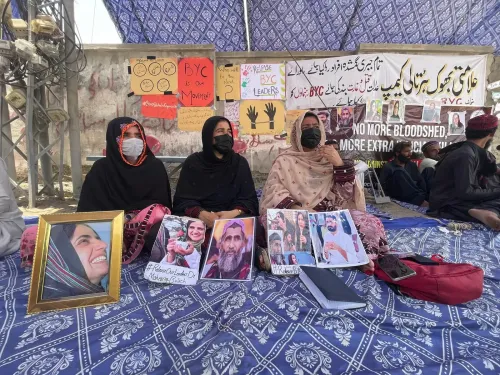
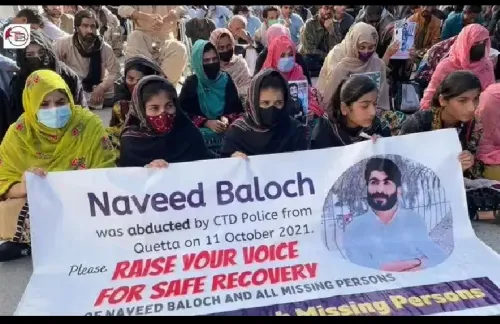
Three Baloch students were allegedly disappeared by Pakistani forces in Karachi on 23 August — the latest in a string of enforced disappearances that rights groups say form part of a systematic crackdown on Baloch communities. Simultaneously, an FIR was filed against an elected Balochistan Assembly member who had spoken out against alleged abuses at a military checkpoint, raising sharp questions about accountability and democratic representation.
Key Takeaways
Three Baloch students — Abdul Qadeer , Zubair Ahmed , and Saif Uddin — were allegedly subjected to enforced disappearance in Karachi on 23 August 2025 .
The Baloch Voice for Justice (BVJ) described the incident as 'a grave violation of fundamental human rights and international law.' The Baloch Yakjehti Committee (BYC) alleged that ongoing military operations in Karachi are aimed at eradicating Baloch identity .
An FIR was registered against Maulana Hidayat ur Rehman Baloch , a Balochistan Assembly member from Gwadar , after he publicly raised concerns about alleged abuses at a military checkpoint.
Rights groups allege that civilian governance in Balochistan has been effectively supplanted by military dominance .
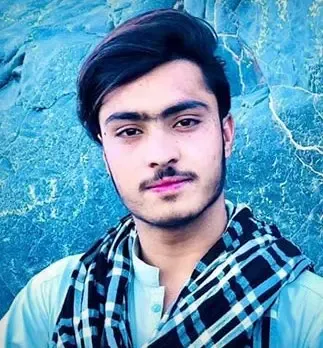
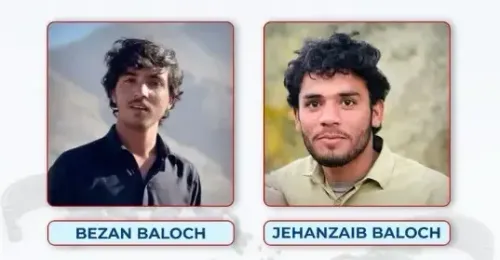
At least three Baloch students were allegedly subjected to enforced disappearance by Pakistani forces in Karachi on 23 August 2025, according to a leading human rights organisation. The Baloch Voice for Justice (BVJ) raised the alarm on Tuesday, identifying the victims as Abdul Qadeer, Zubair Ahmed, and Saif Uddin — all residents of Balochistan.
What Happened
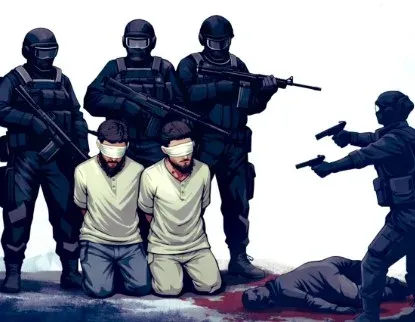
According to the BVJ, the three students were picked up in what the organisation described as enforced disappearances carried out by Pakistani security forces. The rights body stated: 'The enforced disappearance of students is an attack on the future of the Baloch nation. Targeting young people seeking education is a grave violation of fundamental human rights and international law.'
Pattern of Alleged Crackdowns in Karachi
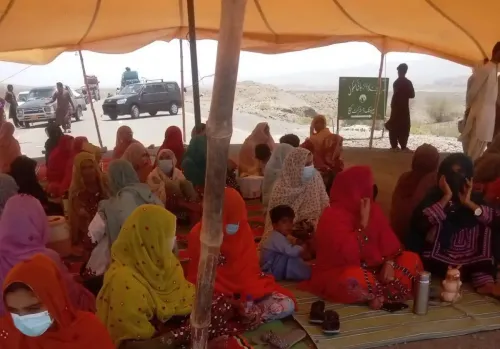
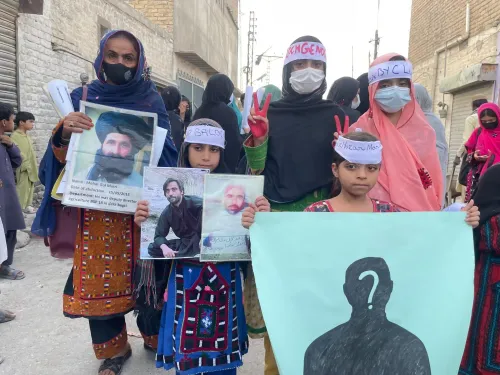
This incident is not isolated. Last week, several human rights organisations condemned what they described as raids, arbitrary detentions, and enforced disappearances allegedly carried out by Pakistani forces targeting Baloch neighbourhoods across Karachi. The Baloch Yakjehti Committee (BYC) alleged that these military operations were aimed at erasing Baloch identity. 'Frightened by the rising Baloch consciousness and political awakening, the state is once again perpetuating its Baloch genocidal policies in the streets of Karachi,' the BYC stated. The committee further alleged that past operations conducted under the pretext of gang wars and peace maintenance are now being replicated 'through different names and new tactics.'
FIR Against Balochistan Assembly Member
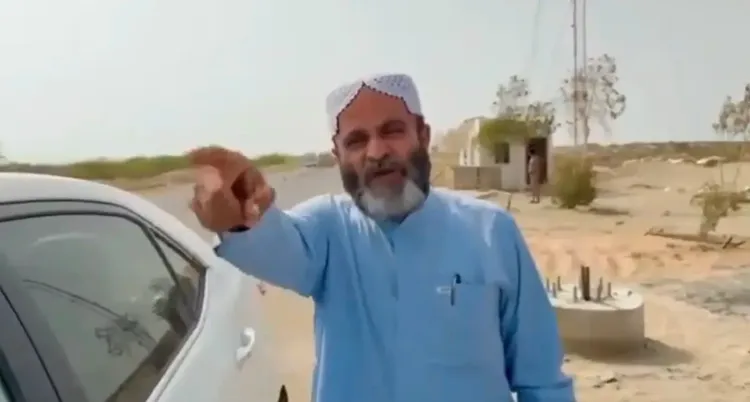
In a separate but related development, the BVJ on Tuesday condemned the registration of a First Information Report (FIR) against Maulana Hidayat ur Rehman Baloch, a sitting member of the Balochistan Assembly and an elected representative from Gwadar district. According to the rights body, the case was filed after the parliamentarian publicly raised concerns — through a video — about the alleged humiliation, stripping, and violation of the sanctity of women at a military checkpoint. 'Instead of impartial investigations into such grave allegations and legal action against the responsible officials, filing a case against the public representative who raised the complaint casts a grave question mark over the fundamental principles of justice, freedom of expression, and democratic representation,' the BVJ stated.
Accountability Under Question
The BVJ argued that the FIR reinforces a broader pattern in which accountability is directed not at powerful institutions but at those who challenge them. The rights body stated that 'civilian governance in Balochistan has been supplanted by military dominance, where accountability is directed not toward powerful institutions but twisted toward those who raise their voices against them.' These latest developments come amid sustained international scrutiny over the treatment of Baloch communities in Pakistan. Human rights groups have repeatedly called on Islamabad to investigate disappearances and ensure due process — calls that Pakistani authorities have largely not addressed publicly. How Islamabad responds to mounting pressure from rights organisations will be closely watched in the weeks ahead.
Point of View
This represents a dual suppression of both civil society and democratic accountability. International human rights bodies have documented enforced disappearances in Balochistan for over two decades; the Karachi dimension signals a geographic expansion of an already deeply contested policy. Pakistan's civilian government has yet to offer a credible public response to these specific allegations.
NationPress
10 Oct 2026
Frequently Asked Questions
Who are the three Baloch students allegedly disappeared in Karachi?
The three students are Abdul Qadeer , Zubair Ahmed , and Saif Uddin , all residents of Balochistan. According to the Baloch Voice for Justice, they were subjected to enforced disappearance in Karachi on 23 August 2025.
What is enforced disappearance and why is it a human rights concern?
Enforced disappearance refers to the arrest, detention, or abduction of a person by state agents, followed by a refusal to acknowledge the detention or reveal the person's fate. It is prohibited under international law and classified as a grave human rights violation, as it places victims outside the protection of the law.
What did the Baloch Yakjehti Committee allege about the Karachi operations?
The BYC alleged that a series of military raids and operations in Karachi were aimed at eradicating Baloch identity. The committee stated that past tactics used under the guise of gang wars are now being repeated under different names, with the same objective of keeping Baloch communities under fear and pressure.
Why was an FIR filed against Maulana Hidayat ur Rehman Baloch?
According to the BVJ, the FIR was registered against the Balochistan Assembly member after he publicly raised concerns — via a video — about the alleged humiliation and stripping of women at a military checkpoint in Gwadar. Rights groups have condemned the move as a suppression of free expression and democratic representation.
What is Pakistan's official response to these allegations?
Pakistani authorities have not publicly addressed these specific allegations, according to available reports. Human rights organisations have repeatedly called on Islamabad to investigate enforced disappearances and ensure due process, but no formal government response to these latest incidents has been reported.