Kolkata hotel fire: Bengal govt to audit all hotels on Mirza Ghalib Street
Synopsis
Nine people — including two women and a child — died of suffocation in a Kolkata hotel fire on Mirza Ghalib Street, steps away from a major fire services station. The tragedy exposes a damning pattern: a near-identical audit ordered after 14 died in the 2025 Jorasanko fire was quietly abandoned after four meetings, never completed, and never submitted.
Key Takeaways
A hotel fire on Mirza Ghalib Street , central Kolkata , killed nine people — including two women and a child — on 19 August .
Victims died of suffocation , not burn injuries, according to initial police and fire services findings.
West Bengal Minister of State for Fire Services Koushik Chowdhury announced a full safety audit of all hotels, lodges, and guesthouses in the locality.
A similar audit was ordered after 14 died in the Hotel Rituraj fire in Jorasanko in April 2025 , but was abandoned after four meetings with no report submitted.
The fire services department cited chronic understaffing and denied fund sanctions for recruitment as key systemic failures.
The fire broke out near a major state fire services station on the same street.
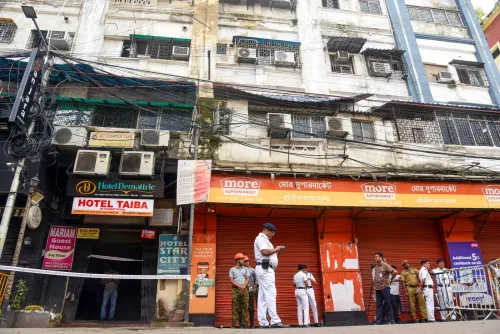
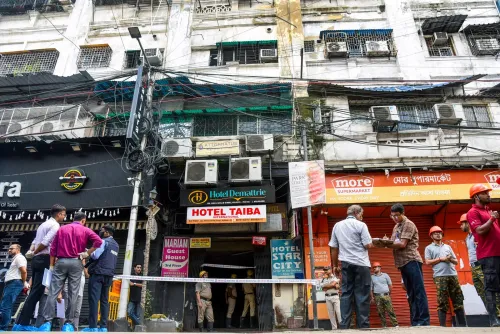
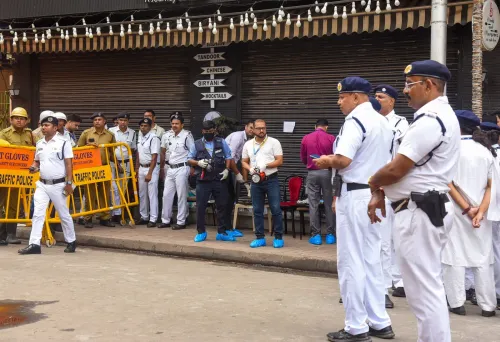
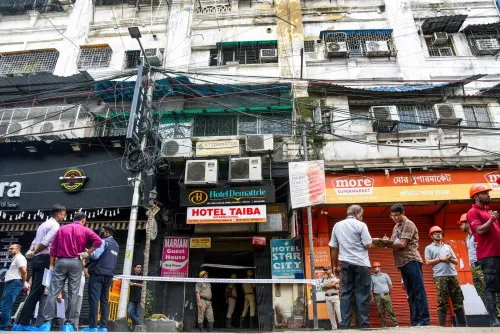
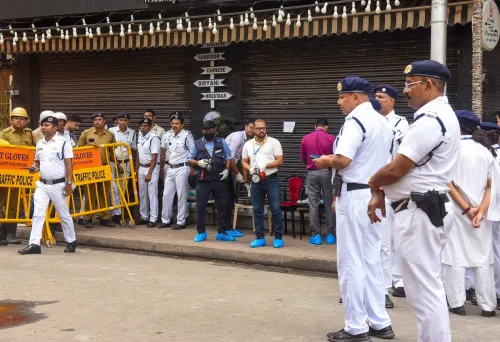
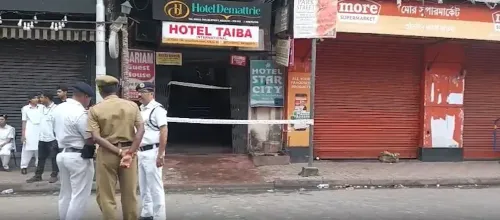
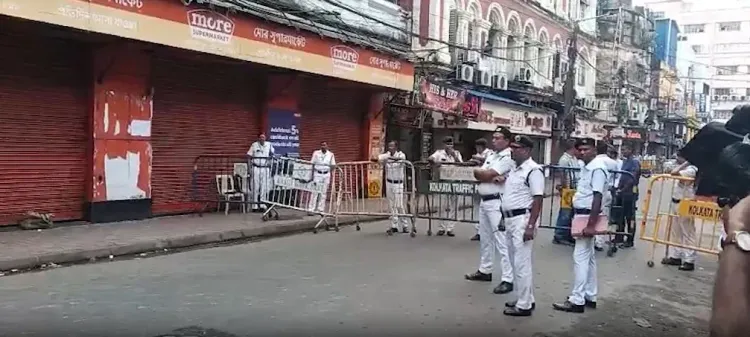
A deadly hotel fire on Mirza Ghalib Street in central Kolkata that killed nine people — including two women and a child — has prompted the West Bengal government to order a comprehensive safety audit of all hotels, lodges, and guesthouses in the same locality, West Bengal Minister of State for Fire Services Koushik Chowdhury announced on Wednesday, 19 August. Initial findings by police and the West Bengal Fire Services Department indicate the victims died of suffocation rather than burn injuries.
What the Minister Said
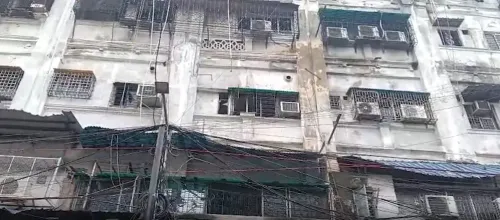
Chowdhury described alarming structural conditions at the fire-affected building, noting that each floor housed a separate hotel or guest house, passageways were too narrow for two people to stand side by side, and there was no external emergency staircase. 'I wonder how the hotels were allotted trade licenses in the first place during the previous regimes? The state fire services department has a major station at Mirza Ghalib Street. The hotel building where the fire broke out this morning was very near to that fire service station,' he told reporters.
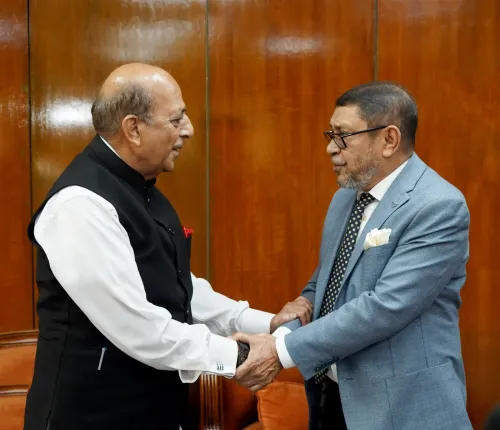
Following a detailed discussion with Chief Minister Suvendu Adhikari, it was decided that a thorough audit covering all such establishments would be undertaken immediately. 'We are adopting a zero tolerance approach in the matter. Not a single erring entity will be spared,' Chowdhury added.
A Pattern of Incomplete Audits
This is not the first time Kolkata has faced such a tragedy. In April 2025, a fire at Hotel Rituraj in the Jorasanko Mechua area of central Kolkata claimed 14 lives. In the aftermath, the then Mamata Banerjee-led Trinamool Congress (TMC) government constituted a special audit committee to review fire safety norms across all hotels within the Kolkata Municipal Corporation (KMC) limits.
However, the audit stalled after just four committee meetings, with no final report submitted either to the KMC or to the state fire services department. The process reportedly came to a halt for reasons that have not been officially explained. 'For some unknown reason, the progress in the audit work stopped midway, and the tragedy of the Jorasanko fire slowly faded out of public memory. Had the audit process been completed then, probably the loss of nine lives today in the Mirza Ghalib Street fire could have been avoided,' a state fire services department official said.
Manpower and Funding Gaps
A key structural problem, according to fire services officials, is chronic understaffing. The department had reportedly sent multiple requests to the state finance department for additional fund allocation to support fresh recruitments, but 'the sanctions were never made,' the official said. This shortage forced the department to rely on a third-party agency to conduct the post-Jorasanko audit — an arrangement that ultimately proved ineffective.
What Happens Next
The government has signalled a zero-tolerance stance, with the fresh audit expected to cover every hotel, lodge, and guesthouse in the Mirza Ghalib Street area. Whether this audit will be completed — unlike its predecessor — will be closely watched by fire safety advocates and residents alike. The twin tragedies within months raise urgent questions about enforcement capacity, licensing oversight, and whether adequate resources will now be committed to prevent a third such incident.
Point of View
Started, and quietly buried after the Jorasanko fire killed 14 people in April 2025. The state's own fire services official has now said on record that completing that audit could have prevented these nine deaths. That is an extraordinary admission of institutional failure. The question is not whether another audit will be announced — it already has been — but whether this one will be enforced, funded, and followed through. Chronic understaffing, denied budget sanctions, and a licensing regime that apparently permitted narrow, staircase-free buildings to operate as multi-floor hospitality clusters point to a systemic collapse that a committee alone cannot fix.
NationPress
3 Oct 2026
Frequently Asked Questions
What happened in the Kolkata Mirza Ghalib Street hotel fire?
A fire broke out at a hotel on Mirza Ghalib Street in central Kolkata on 19 August, killing nine people including two women and a child. Initial findings indicate the victims died of suffocation rather than burn injuries.
What action has the West Bengal government announced after the fire?
West Bengal Minister of State for Fire Services Koushik Chowdhury announced a comprehensive safety audit of all hotels, lodges, and guesthouses in the Mirza Ghalib Street area, following a discussion with Chief Minister Suvendu Adhikari. The government has stated a zero-tolerance approach.
Was a similar audit conducted after the Jorasanko hotel fire in 2025?
Yes. After 14 people died in the Hotel Rituraj fire in Jorasanko's Mechua area in April 2025, the then Mamata Banerjee-led TMC government formed a special audit committee. However, the audit stalled after four meetings and no report was ever submitted to the KMC or the fire services department.
Why did the previous hotel safety audit fail to be completed?
According to fire services officials, the audit stalled due to inadequate manpower, which forced reliance on a third-party agency. Multiple requests for additional recruitment funding were reportedly sent to the state finance department but sanctions were never granted.
What were the safety violations identified at the fire-affected building?
Minister Koushik Chowdhury noted that each floor of the building housed a separate hotel or guest house, the passageways were too narrow for two people to walk side by side, and there was no external emergency staircase — raising serious questions about how trade licenses were issued.