Brathwaite Slams DC's Powerplay Bowling in Historic 265-Run IPL Loss
Synopsis
Carlos Brathwaite exposed a critical tactical blunder by Delhi Capitals — benching Natarajan and Kuldeep in the powerplay while defending 264 — as Punjab Kings scripted IPL's highest-ever successful chase of 265 with seven balls to spare, rewriting T20 cricket history.
Key Takeaways
Carlos Brathwaite criticised Delhi Capitals for deploying Mukesh Kumar and Auqib Nabi in four of the first five powerplay overs while defending 264 runs against Punjab Kings on April 26 .
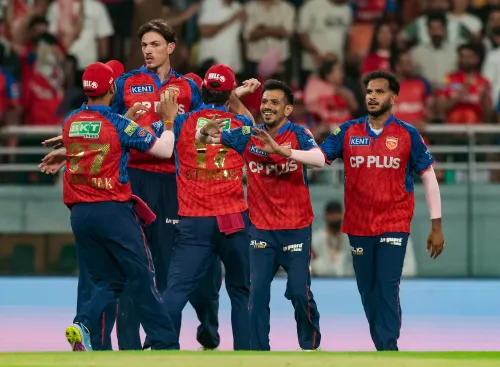
PBKS openers Prabhsimran Singh and Priyansh Arya scored 116 without loss in the powerplay, making the chase manageable from the outset.
Kuldeep Yadav was introduced only in the eighth over , by which time PBKS had already reached 127 runs .
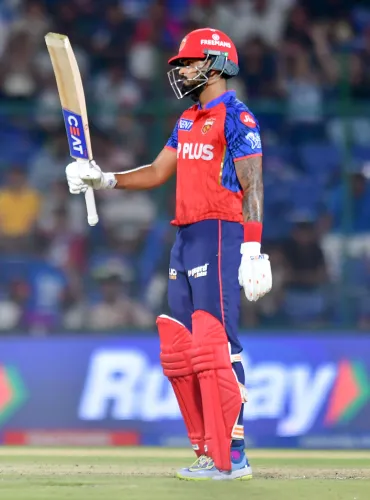
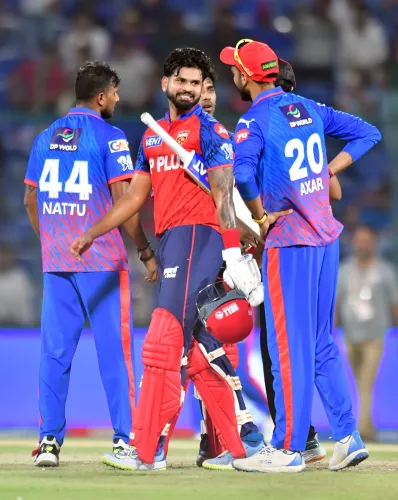
Shreyas Iyer scored an unbeaten 71 off 36 balls to anchor the chase, entering at a comfortable required run rate thanks to the dominant powerplay by PBKS openers.
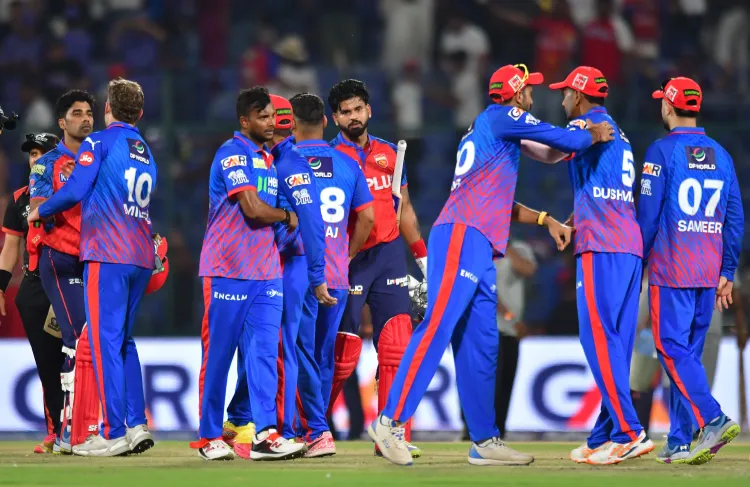
Karun Nair dropped Shreyas Iyer twice in the latter stages, compounding DC's on-field errors as PBKS completed the highest successful IPL chase in history with seven balls to spare .
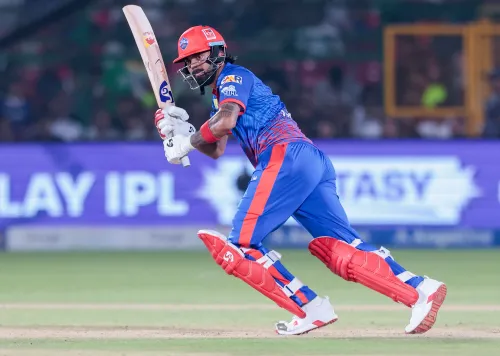
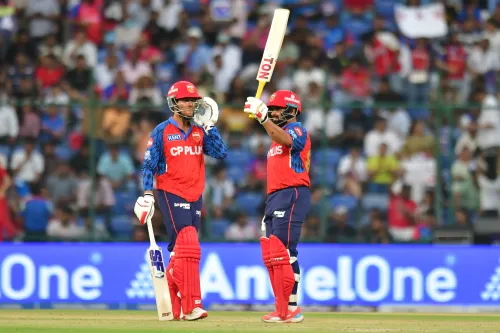
KL Rahul's unbeaten 152 and Nitish Rana's 91 powered DC's total of 264 for 2 , which ultimately proved insufficient due to flawed bowling execution.
New Delhi, April 26: Former West Indies all-rounder Carlos Brathwaite launched a sharp critique of Delhi Capitals' bowling strategy during the powerplay, arguing that the side lacked proactiveness with the ball as Punjab Kings (PBKS) completed the highest successful chase in IPL history — overhauling a mammoth 265-run target at the Arun Jaitley Stadium on Saturday, April 26. Brathwaite, speaking to ESPNCricinfo, said DC's failure to deploy their best bowlers upfront cost them dearly in a match that will be remembered as a watershed moment in T20 cricket.
DC's Powerplay Bowling Under the Scanner
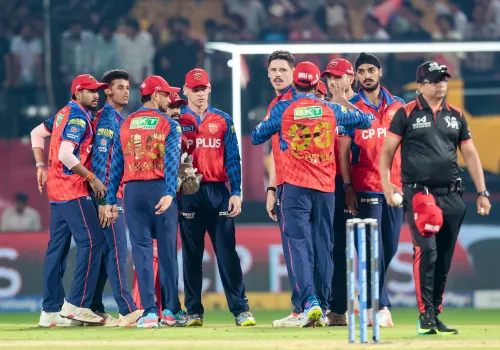
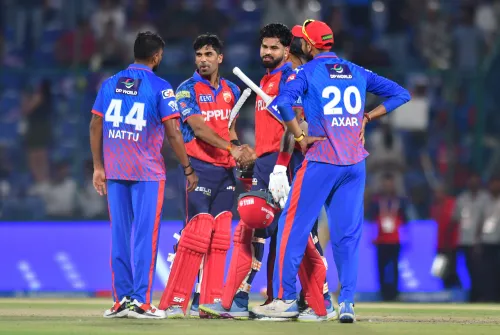
Delhi Capitals, defending a colossal 264 for 2 — built on an unbeaten 152 by KL Rahul and a blistering 91 from Nitish Rana — handed four of the first five powerplay overs to Mukesh Kumar and Auqib Nabi. The duo conceded a combined 87 runs, while captain Axar Patel went for 20 runs in his solitary powerplay over. PBKS raced to a stunning 116 without loss at the end of the six-over powerplay phase.
Brathwaite was unequivocal in his assessment. When you bat and score 200 and a lot, you don't necessarily need to be defensive, but have a mindset that this can be scored. I saw Natarajan bowl just one over in the powerplay. They could have been a little bit more proactive, he stated.
The Case for Natarajan and Kuldeep Upfront
Brathwaite specifically highlighted the underutilisation of left-arm pacer T. Natarajan and left-arm wrist spinner Kuldeep Yadav in the crucial opening overs. He argued that deploying these two bowlers early could have fundamentally altered the complexion of the chase.
Get Kuldeep on early. He may not get a wicket, but he may stem the flow of runs for an over. Natarajan took the pitch out of play. If Natarajan and Kuldeep had bowled three out of the first six overs, and PBKS had scored 65 in the powerplay, PBKS would have so much more to do, Brathwaite explained.
Kuldeep Yadav was introduced only in the eighth over, by which time PBKS had already surged to 127 runs, with openers Prabhsimran Singh and Priyansh Arya dominating the DC attack with ruthless efficiency.
Shreyas Iyer's Comfort Chase and the Powerplay's Ripple Effect
The dominant powerplay performance by PBKS had a cascading effect on the rest of the innings. When both openers fell in the seventh and eighth overs, PBKS captain Shreyas Iyer entered the crease with the required run rate well within manageable limits. Iyer capitalised fully, stroking an unbeaten 71 off 36 balls to anchor the historic chase.
Brathwaite underscored this point emphatically: They did so much in the powerplay that when Shreyas came in, he could be eight off his first eight balls. That would never be possible if you need to score 19 or 20 per over, then everybody has to come in and go.
This tactical reality highlights a fundamental principle in modern T20 cricket — the powerplay does not merely set the tone, it can effectively decide the outcome of a chase before the middle overs even begin.
Structural Flaws in DC's Defensive Blueprint
Brathwaite went further, arguing that a total in excess of 260 demands aggressive bowling intent from the very first ball. With 260, you have to go from ball one and have to get ahead in the powerplay. Try to get wickets in the powerplay or bowl your best bowlers in the powerplay to be defensive but also push the required run rate up to 20, 21, 22, he said.
DC's woes were further compounded by sloppy fielding. Karun Nair dropped Shreyas Iyer twice in the latter stages of the innings — costly misses that allowed Iyer to accelerate and seal the chase with seven balls to spare. The dropped catches, combined with the flawed bowling strategy, paint a picture of a side that was outplayed both tactically and temperamentally.
Historic Context and What This Means for IPL 2025
This victory by Punjab Kings represents the highest successful run chase in IPL history, surpassing all previous records and rewriting the boundaries of what is achievable in a T20 run chase. It signals a broader shift in the tournament's dynamics, where batting depth and powerplay aggression are increasingly neutralising even the most imposing totals.
For Delhi Capitals, the defeat raises serious questions about bowling strategy and field placements that the team management will need to address urgently as the IPL 2025 season progresses. The manner of the loss — conceding the highest-ever chase despite posting 264 — will serve as a cautionary tale for captains and coaches across the tournament about the non-negotiable importance of powerplay bowling intent.
Point of View
Perhaps fearing early punishment over calculated aggression. Brathwaite's analysis cuts to the heart of a flawed defensive mindset that contradicts modern T20 data, which consistently shows that wickets in the powerplay are worth far more than containment. The irony is stark — DC posted one of the highest totals in IPL history, only to lose because their bowling strategy treated it as a modest score. As IPL 2025 evolves into a high-octane batting festival, captains who refuse to attack with the ball in the powerplay will find themselves on the wrong side of history with increasing regularity.
NationPress
1 Oct 2026
Frequently Asked Questions
What did Carlos Brathwaite say about Delhi Capitals' powerplay strategy?
Carlos Brathwaite criticised DC for not using Natarajan and Kuldeep Yadav early in the powerplay while defending 264, calling the approach insufficiently proactive. He argued that bowling their best options upfront could have pushed PBKS's required run rate to an unmanageable 20-22 per over.
How did Punjab Kings complete the highest chase in IPL history?
Punjab Kings chased down 265 at the Arun Jaitley Stadium on April 26, powered by an explosive 116-run opening powerplay stand between Prabhsimran Singh and Priyansh Arya, followed by an unbeaten 71 off 36 balls from captain Shreyas Iyer. PBKS completed the chase with seven balls to spare.
Why was Kuldeep Yadav not used in the powerplay against PBKS?
DC captain Axar Patel chose to open the bowling with Mukesh Kumar and Auqib Nabi instead of Kuldeep Yadav, introducing the left-arm wrist spinner only in the eighth over. Brathwaite argued this was a critical tactical error, as Kuldeep could have stemmed the run flow or taken early wickets.
What record did Punjab Kings break in their IPL 2025 match against Delhi Capitals?
Punjab Kings broke the record for the highest successful run chase in IPL history by overhauling a 265-run target set by Delhi Capitals. The match was played at the Arun Jaitley Stadium in New Delhi on April 26, 2025.
How did KL Rahul and Nitish Rana contribute to DC's total of 264?
KL Rahul scored an unbeaten 152 while Nitish Rana contributed 91 runs, forming the backbone of Delhi Capitals' imposing total of 264 for 2. Despite the massive score, DC's bowling strategy in the powerplay allowed PBKS to chase it down comfortably.