Indian Coast Guard eyes fleet of 200 ships, 100 aircraft for maritime security
Synopsis
The Indian Coast Guard has set a clear numerical target: 200 ships and 100 aircraft. With six next-generation patrol vessels already under construction at Mazagon Dock and new hovercrafts entering service, the force is executing the most ambitious fleet build-up in its history — aimed at projecting sustained presence across India’s 2.37-million-sq-km exclusive economic zone.
Key Takeaways
The Indian Coast Guard (ICG) is targeting a fleet of 200 ships and 100 aircraft , up from the current 155 ships and 82 rotary surveillance aircraft .
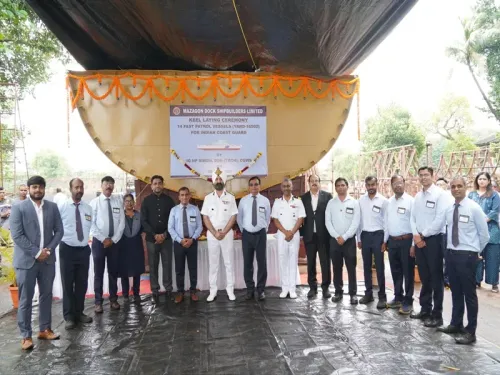
Mazagon Dock Shipbuilders Ltd (MDL) is building six Next Generation Offshore Patrol Vessels with a range of 5,000 nautical miles and a top speed of 23 knots .
The new patrol vessels will feature AI-based predictive maintenance , remotely piloted drones, and integrated bridge and platform management systems.
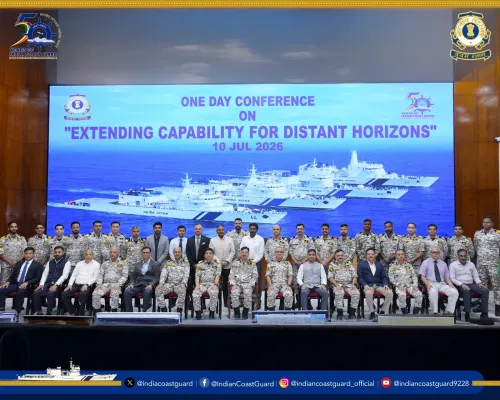
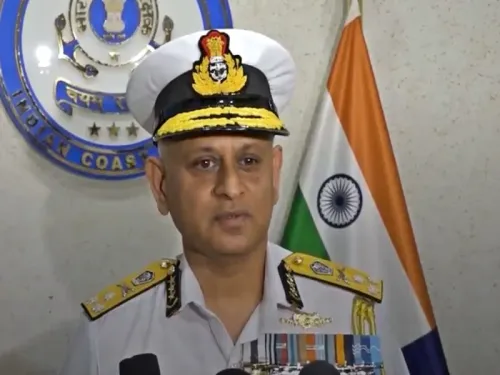
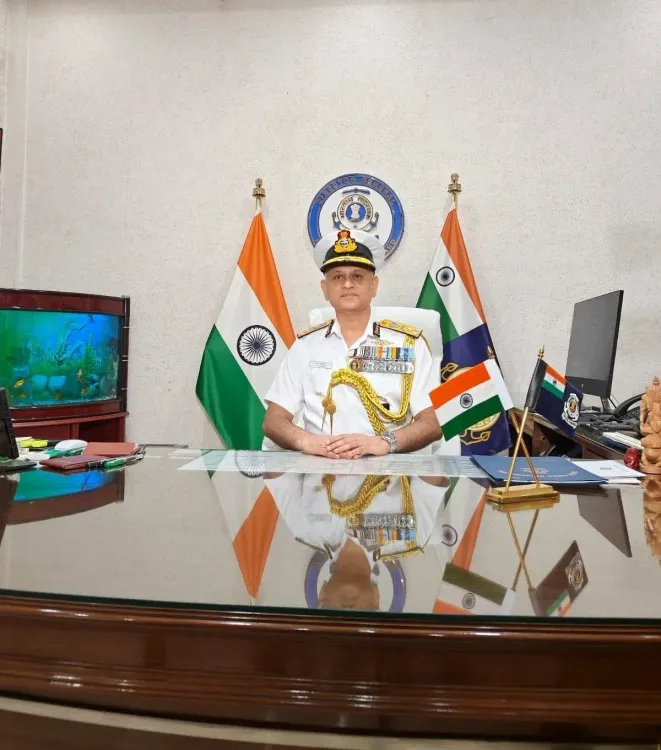
ICG Director General Paramesh Sivamani inaugurated an industry conference themed ‘Extending Capability for Distant Horizons’ in New Delhi to consult shipbuilders on future platforms.
The ICG has begun inducting modern Air Cushion Vehicles (hovercrafts) to replace its ageing fleet for shallow-water operations.
The Indian Coast Guard (ICG) on Monday, 20 July announced plans to expand its fleet to 200 ships and 100 aircraft, a significant scale-up aimed at reinforcing round-the-clock surveillance across India's maritime zones. The force currently operates 155 advanced ships and 82 modern rotary surveillance aircraft.
Fleet Expansion Targets
In an official post on X, the ICG stated that its “upcoming future force level targets a powerful expansion to 200 ships and 100 aircraft.” The force described its combined surface platforms and air wings as forming “an impenetrable shield, safeguarding India’s maritime zones.” The present fleet includes interceptor boats, crafts, and hovercrafts, complemented by a rotary surveillance air wing.
Next Generation Offshore Patrol Vessels
Mazagon Dock Shipbuilders Ltd (MDL) is currently building six Next Generation Offshore Patrol Vessels (NGOPVs) for the ICG. Each vessel will measure 117 metres in length, carry a complement of 11 officers and 110 sailors, and achieve a maximum speed of 23 knots. With an endurance of 5,000 nautical miles, these ships are designed for sustained deep-sea operations far beyond India’s immediate coastal waters.
The NGOPVs will feature advanced systems including AI-based predictive maintenance, remotely piloted drones, an Integrated Bridge System, and an Integrated Platform Management System — a leap in onboard technological capability for the force.
Industry Consultation on Future Platforms
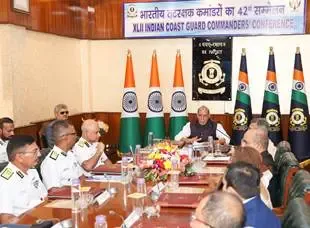
Earlier this month, the ICG organised a one-day conference themed ‘Extending Capability for Distant Horizons’ at its headquarters in New Delhi. Inaugurated by ICG Director General Paramesh Sivamani, the event brought together leading Indian shipyards and design houses to deliberate on future fleet platforms. The consultation underscores the ICG’s intent to anchor its expansion in domestic shipbuilding capacity, consistent with broader ‘Aatmanirbhar Bharat’ defence procurement priorities.
Modernisation of Hovercraft Fleet
The ICG has also begun inducting modern Air Cushion Vehicles (ACVs), or hovercrafts, to replace its ageing fleet. These platforms are critical for shallow-water operations and amphibious response along India’s extensive coastline and island territories. This comes amid growing emphasis on coastal security infrastructure following past incidents that exposed gaps in near-shore surveillance.
Strategic Context
India’s maritime zones span an Exclusive Economic Zone (EEZ) of approximately 2.37 million square kilometres, placing enormous demand on patrol assets. The ICG’s expansion push comes as regional maritime activity — including grey-zone operations and transnational smuggling — has intensified in the Indian Ocean Region. Reaching the 200-ship and 100-aircraft targets would position the ICG among the more capable coast guard forces in Asia. The timeline for achieving full force levels has not been officially specified.
Point of View
But the gap between 155 and 200 ships is not just numerical; it requires sustained capital allocation across multiple budget cycles. The emphasis on domestic shipbuilders is strategically sound, but domestic yards have struggled with timelines on complex naval platforms. The real test of this expansion is not the announcement but the induction schedule the ICG publishes next.
NationPress
20 Oct 2026
Frequently Asked Questions
What is the Indian Coast Guard’s fleet expansion target?
The Indian Coast Guard is targeting a fleet of 200 ships and 100 aircraft, up from its current strength of 155 ships and 82 rotary surveillance aircraft. The expansion is aimed at ensuring round-the-clock surveillance across India’s maritime zones.
What are the Next Generation Offshore Patrol Vessels being built for the ICG?
Six Next Generation Offshore Patrol Vessels are being constructed by Mazagon Dock Shipbuilders Ltd for the Indian Coast Guard. Each vessel is 117 metres long, carries 11 officers and 110 sailors, has a range of 5,000 nautical miles, and is equipped with AI-based predictive maintenance, drones, and integrated management systems.
Who inaugurated the ICG’s fleet expansion conference?
ICG Director General Paramesh Sivamani inaugurated the one-day conference titled ‘Extending Capability for Distant Horizons’ at the Coast Guard headquarters in New Delhi. The event brought together leading Indian shipyards and design houses to discuss future fleet platforms.
Why is the Indian Coast Guard expanding its fleet?
India’s Exclusive Economic Zone spans approximately 2.37 million square kilometres, requiring extensive patrol coverage. The expansion is also driven by rising maritime threats including grey-zone operations and transnational smuggling in the Indian Ocean Region.
What new platforms is the ICG inducting besides patrol vessels?
The ICG has begun receiving modern Air Cushion Vehicles (ACVs), or hovercrafts, to replace its ageing hovercraft fleet. These platforms support shallow-water and amphibious operations along India’s coastline and island territories.