Is Congress Leading a Nationwide Movement Against MGNREGA Reforms?
Synopsis
In a bold move, Congress leaders Rahul Gandhi and Mallikarjun Kharge have launched a nationwide campaign against proposed changes to MGNREGA, framing it as a struggle for equity and Gandhian values. This initiative aims to protect the rights of the impoverished against government actions perceived as favoring the wealthy.
Key Takeaways
Nationwide Movement: Congress has launched a campaign against MGNREGA changes.
Ideological Battle: The movement is framed as a fight for equity and Gandhian values.
Criticism of Government: Leaders question the government's priorities and its support for the wealthy.
Impact on Labor: Proposed changes could harm the rights of laborers and rural infrastructure.
Unity Against Reforms: The opposition is expected to unite in this struggle.
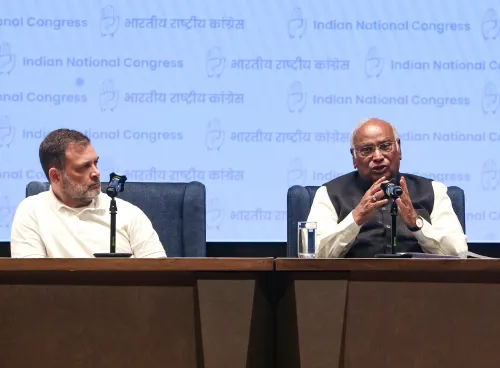
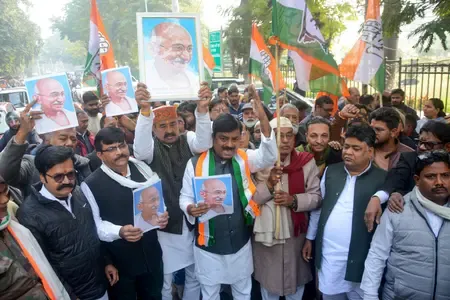
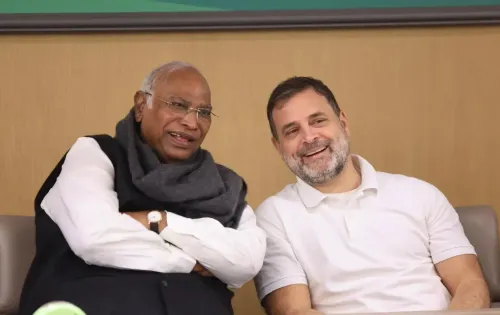
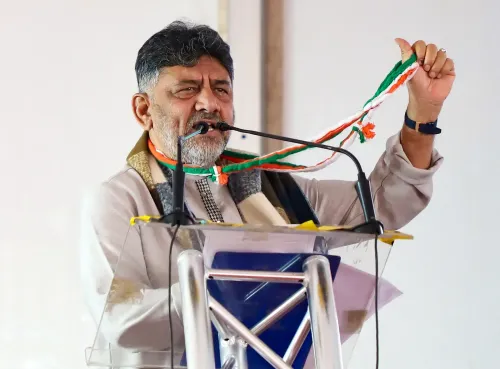
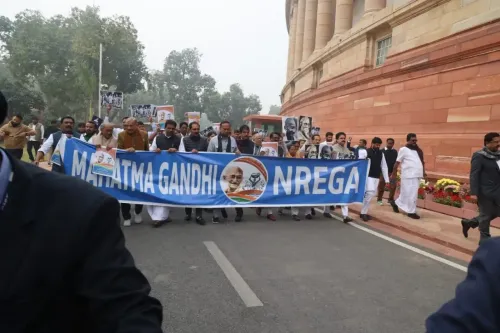
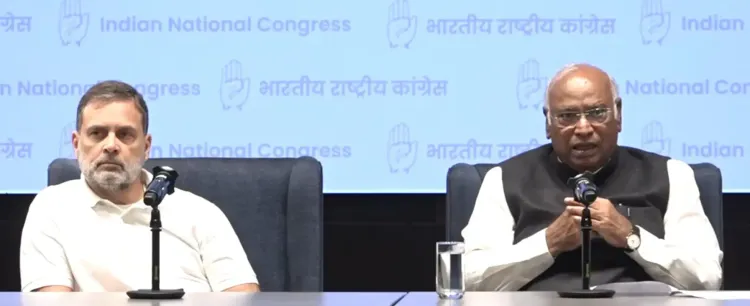
New Delhi, Dec 27 (NationPress) Framing the changes to MGNREGA as a fundamental struggle for equity, federalism, and Gandhian values, Congress leaders Rahul Gandhi and AICC President Mallikarjun Kharge announced a nationwide campaign to oppose these alterations on Saturday.
Kharge initiated the protest by questioning the government's priorities: "Why has the Central government dismantled a scheme like MGNREGS? There’s unlimited funding for the wealthy who exploit banks through colossal loans, yet there's no willingness to allocate even 30 percent to laborers? This indicates their allegiance lies solely with the affluent, not the impoverished."
He criticized the BJP for their ideological favoritism, asserting, "Those who support the wealthy will never advocate for the impoverished. That’s why we champion the rights of the downtrodden, and our struggle will continue."
Kharge also denounced the rumored omission of Mahatma Gandhi's name from the scheme as a significant affront.
"Sonia Gandhi and Dr. Manmohan Singh established it as a rights-based law. Now, they are simply altering the name, but it transcends mere nomenclature. They can't even bear to acknowledge Mahatma Gandhi's full name, Mohandas Karamchand Gandhi. This is an assault on Gandhi ji himself, the Father of the Nation."
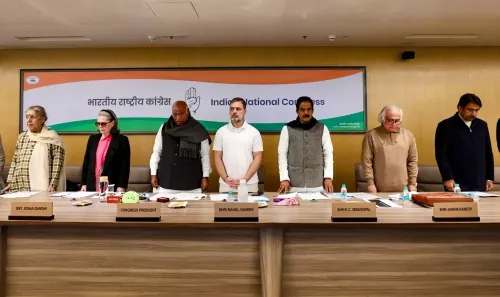
With unanimous backing from the Congress Working Committee, Kharge vowed to spearhead a vigorous nationwide movement.
Rahul Gandhi amplified this message, characterizing MGNREGA as far more than just an employment initiative.
"It represents a revolutionary rights-centric framework and development model that has gained international recognition," he stated.
Reflecting on Kharge's visits, Gandhi remarked, "Kharge ji traveled to 16 nations, and every one commended the Congress government for pioneering this innovative approach to development intertwined with rights."
He accused Prime Minister Narendra Modi of unilaterally dismantling this legacy "without consulting his cabinet or investigating the matter"—comparing it to "demonetization".
Gandhi described the changes as a "multi-faceted assault" on states by "depriving them of funds and decision-making power"; on rural infrastructure established through MGNREGA initiatives; and on Indian labor by abolishing the "guaranteed wage floor".
"This is a devastating blow to India's states and the impoverished," Gandhi stressed. "It will bring immense hardship to the most vulnerable—Adivasis, Dalits, OBCs, families in the poor general category, and minorities—while favoring select industrialists.
The motive is clear: seize funds from the needy and transfer them to the preferred wealthy, Rahul Gandhi claimed. Emphasizing MGNREGA's role in empowering local governance, Gandhi remarked that the scheme injected funds directly into panchayats, promoting grassroots political engagement and decentralized governance.
"This is nothing short of an attack on our democratic framework, the third tier of government, and the foundational structure of India."
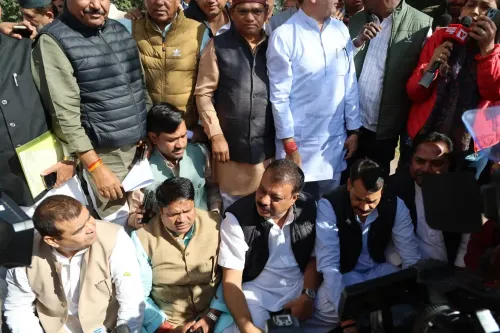
Aligning with Kharge's determination, Gandhi asserted, "We will resist this vigorously. We will confront it in the streets, and I am confident the entire opposition will unite in this fight."
Point of View
The Congress party's movement against changes to MGNREGA underscores the critical discourse on social equity and democratic values. The implications of these reforms are significant, as they challenge the foundational principles of rights-based legislation and the welfare of marginalized communities. This situation merits careful attention as it may reshape the political landscape in India.
NationPress
19 Sept 2026
Frequently Asked Questions
What changes are being proposed to MGNREGA?
The proposed changes are being framed as a means to restructure the program, which Congress leaders argue will undermine the rights of laborers and the program's foundational principles.
Who are the key figures in this movement?
The key figures leading this movement are Congress leader Rahul Gandhi and AICC President Mallikarjun Kharge.
Why is the removal of Gandhi's name significant?
The removal of Mahatma Gandhi's name is perceived as an affront to his legacy and the values he stood for, particularly in the context of social equity and welfare.
What impact could these changes have?
If implemented, these changes could severely affect the welfare of marginalized communities by stripping them of guaranteed employment and financial security.