Delhi Railway Police busts child trafficking ring; 8 arrested, infant rescued
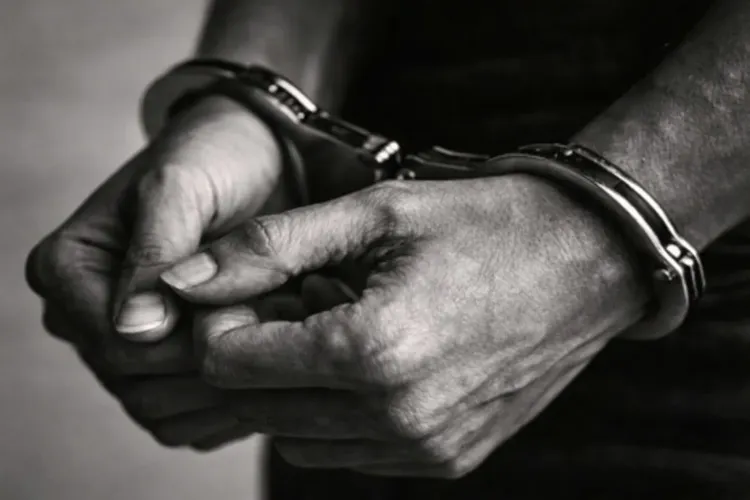
Synopsis
A one-and-a-half-year-old boy kidnapped from New Delhi Railway Station's waiting hall on 24 May was rescued after Delhi's Railway Police cracked an inter-state trafficking syndicate — arresting eight people across four states. The breakthrough came when a parallel kidnapping in Haridwar linked to the same suspects blew open the network.
Key Takeaways
The Railway Unit of Delhi Police rescued infant Kartik , kidnapped from New Delhi Railway Station on 24 May .
Eight accused — including four women — were arrested across four states : Uttar Pradesh, Rajasthan, Haryana, and Uttarakhand.
CCTV surveillance, digital forensics, and public outreach tracked suspects from Ajmeri Gate to Kasim Vihar, Ghaziabad .
A parallel child kidnapping in Haridwar linked to the same suspects exposed the wider trafficking network.
The investigation was led by Inspector Vishwanath Paswan under ACP Rajesh Kumar and ACP Sanjay Bhardwaj .
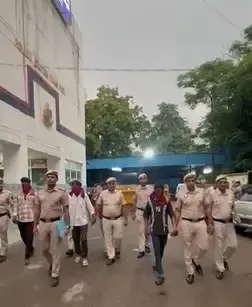
The Railway Unit of Delhi Police dismantled a child trafficking syndicate on Friday, 19 June, arresting eight accused — including four women — and rescuing a one-and-a-half-year-old infant who had been kidnapped from the waiting hall of New Delhi Railway Station nearly four weeks earlier. The breakthrough came after a multi-state operation spanning four states and involving CCTV surveillance, digital forensics, and coordinated simultaneous raids.
How the Infant Was Abducted
The abduction was reported on 24 May at approximately 6:30 pm IST by the child's mother, Chanda Kumari, 26, a resident of Ghaziabad, Uttar Pradesh, who had been living separately from her husband Dinesh for the past year. The infant, named Kartik, was taken from the station's waiting hall by three individuals who were subsequently captured on CCTV footage in the station's parking area on the Ajmeri Gate side.
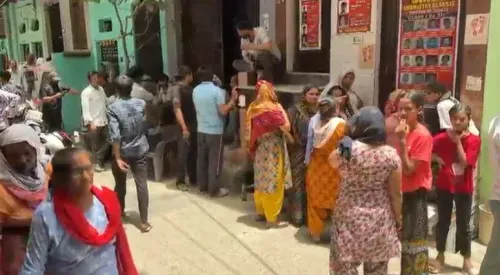
According to police, the suspects left the station in a battery-operated rickshaw, alighting at Mori Gate, Delhi. They then boarded an auto-rickshaw to Shastri Park, before travelling onward to Kasim Vihar, Ghaziabad. Beyond Shastri Park, CCTV trail of the suspects went cold, prompting police to circulate posters with photographs of the child and the suspected kidnappers at Haridwar, Kasim Vihar, and multiple locations across Delhi.
The Investigation That Cracked the Case
The investigation was led by Inspector Vishwanath Paswan, SHO/NDRS, under the supervision of ACP Rajesh Kumar (Railways) and ACP Sanjay Bhardwaj. Police said the inquiry involved a 'multi-layered' approach combining CCTV analysis, public outreach, digital forensics, and field operations across state lines.
A critical lead emerged when information was received from Haridwar that a girl child had also been kidnapped there, and that the faces of the suspected kidnappers matched those seen in the New Delhi Railway Station footage. This link connected the two cases and pointed investigators toward an organised trafficking network rather than an isolated abduction.
Eight Accused Arrested Across Four States
Police conducted simultaneous raids at multiple locations, resulting in the arrest of eight individuals: Shiva alias Gaurav from Haridwar; Dharmender from Muzaffarnagar; Akil from Amroha; Preeti Sharma from Muzaffarnagar; Pooja from Jaipur; Arti from Badayun; Vishal from Gurugram; and Jiya from Chandigarh. The arrests span Uttar Pradesh, Rajasthan, Haryana, and Uttarakhand, underscoring the syndicate's inter-state reach.
What the Case Reveals
The case highlights the vulnerability of busy railway stations as sites of child abduction, and the critical role of integrated surveillance infrastructure in tracing suspects across urban corridors. Notably, the connection to a parallel kidnapping in Haridwar suggests the syndicate may have been operational across multiple locations simultaneously.
Railway stations across India handle millions of passengers daily, and child trafficking through transit hubs has been a persistent concern flagged by child rights organisations. This operation is among the more significant inter-state busts recorded at New Delhi Railway Station in recent years.
What Happens Next
All eight accused are in police custody and further investigation is under way to establish the full extent of the network, including potential buyers or intermediaries. Authorities have not yet disclosed the charges filed, but trafficking-related provisions under the Indian Penal Code and the Protection of Children from Sexual Offences (POCSO) Act are expected to apply. The rescued infant Kartik has been reunited with his family, according to police.
Point of View
But the case raises an uncomfortable structural question: how did a trafficking syndicate operate with apparent ease through one of India's busiest railway stations? The CCTV trail going cold at Shastri Park — despite cameras blanketing the capital — points to gaps in integrated surveillance handoffs between railway and civic networks. The Haridwar connection also suggests this was not an opportunistic abduction but a coordinated operation, raising the question of how many similar cases go undetected simply because no mother files an FIR within hours. Child rights bodies have long flagged railway stations as high-risk trafficking corridors; this case should accelerate the deployment of AI-assisted real-time child-alert systems at major transit hubs.
NationPress
19 Sept 2026
Frequently Asked Questions
Who was the infant rescued by Delhi Railway Police?
The rescued infant is Kartik , a one-and-a-half-year-old boy kidnapped from the waiting hall of New Delhi Railway Station on 24 May . His mother, Chanda Kumari , a resident of Ghaziabad, Uttar Pradesh, had reported the abduction at approximately 6:30 pm that evening.
How many people were arrested in the Delhi child trafficking bust?
Eight people were arrested, including four women . They were apprehended across four states — Uttar Pradesh, Rajasthan, Haryana, and Uttarakhand — in simultaneous coordinated raids by the Railway Unit of Delhi Police.
How did Delhi Police trace the child trafficking network?
Police used a combination of CCTV surveillance , digital forensics, public outreach, and poster campaigns to track suspects from New Delhi Railway Station to Ghaziabad. A key breakthrough came when a parallel kidnapping in Haridwar was linked to the same suspects, exposing the wider syndicate.
Which police officers led the investigation?
The operation was led by Inspector Vishwanath Paswan , SHO/NDRS, under the supervision of ACP Rajesh Kumar (Railways) and ACP Sanjay Bhardwaj .
Why are railway stations considered high-risk zones for child trafficking?
Railway stations handle millions of passengers daily, making it difficult to monitor every individual. Child rights organisations have long flagged major transit hubs as vulnerable points where traffickers can move children across state lines quickly and with relative anonymity, as this case illustrates.