DGCA Takes Steps to Alleviate Airline Regulations and Protect Passengers
Synopsis
The DGCA is working on simplifying regulations for airlines while ensuring passenger rights are protected. With operational challenges on the rise, the organization aims to support the growth of India's aviation sector without compromising safety and service quality.
Key Takeaways
DGCA is focused on simplifying regulations for airlines.
Passenger rights remain a top priority.
Airlines face significant operational challenges.
Government has removed fare caps for better pricing.
60% of domestic flight seats will now be available at no extra charge.
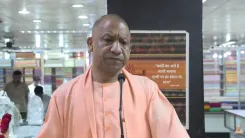
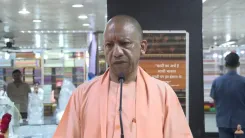
New Delhi, March 26 (NationPress) Faiz Ahmed Kidwai, the head of the Directorate General of Civil Aviation, announced on Thursday that the organization is actively working to simplify regulations for airlines while safeguarding passenger rights. Speaking at the Aviation and Tourism Summit organized by the Indian Chamber of Commerce, Kidwai emphasized the need to find a balance between supporting airlines and ensuring passenger protections.
He noted, “India’s aviation sector is among the fastest-growing globally, yet airlines are currently facing numerous operational challenges.”
Kidwai elaborated on these issues, which include increased flight durations and higher expenses stemming from limitations on specific airspaces. The ongoing conflicts in West Asia have compounded these difficulties, compelling airlines to reduce their services in that area.
Furthermore, the closure of Pakistan’s airspace for Indian carriers has extended flight times, leading to greater fuel consumption and costs. He remarked, “Carrying additional fuel decreases the capacity for passengers and cargo, directly impacting airline revenues.”
Kidwai acknowledged that rising operational costs pose significant challenges for the industry, yet he remains optimistic about future improvements.
He emphasized the importance of policy support, noting the past shutdowns of several Indian airlines, highlighting the necessity of fostering a supportive environment for current carriers.
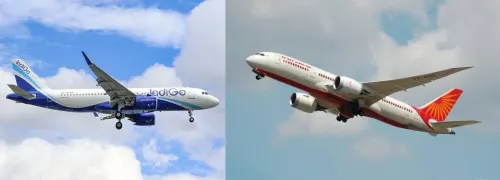
The government has recently taken steps to alleviate some pressures, including retracting fare caps that were previously imposed due to operational issues experienced by IndiGo in December 2025. In addition, it has been decided that 60 percent of seats on domestic flights will be available without extra charges, benefiting passengers.
Kidwai concluded that these measures are part of a broader strategy by the DGCA and the Ministry of Civil Aviation to reinforce the sector while ensuring that both airlines and passengers receive support during challenging times.
Point of View
I observe that the DGCA's initiative to ease regulations while prioritizing passenger rights reflects a critical balancing act in the aviation sector. As challenges mount, the need for policy support becomes increasingly evident to ensure the sustainability of airlines in India.
NationPress
2 Oct 2026
Frequently Asked Questions
What is the DGCA's recent initiative?
The DGCA is working to simplify regulations for airlines while ensuring passenger rights are protected.
What challenges are airlines facing?
Airlines are dealing with longer flight routes, increased costs due to airspace restrictions, and the impact of geopolitical tensions.
How is the government supporting airlines?
The government has removed fare caps and decided that 60% of seats on domestic flights will be available without additional charges.
Why is policy support important for airlines?
Policy support is crucial to create a conducive environment for airlines to thrive and avoid shutdowns.
How does airspace closure affect airlines?
The closure of airspace, such as Pakistan's for Indian carriers, extends flight durations, leading to increased fuel consumption and costs.