GST fraud: ED seizes ₹3.8 crore cash in UP, Haryana raids across 11 premises
Synopsis
The ED's Lucknow unit raided 11 premises across UP and Haryana, seizing ₹3.8 crore in cash from a company that allegedly used forged invoices and fake e-way bills to siphon ₹10.28 crore in fraudulent ITC — part of a wider network that cost the exchequer ₹27.02 crore. Investigators say funds were layered through bogus entities and withdrawn as cash on the same day they were transferred.
Key Takeaways
The ED's Lucknow Zonal Office searched 11 premises in Uttar Pradesh and Haryana on 25 August under the PMLA, 2002 . ₹3.8 crore in unaccounted cash, along with documents and digital devices, was seized during the raids.
The accused company allegedly caused a ₹27.02 crore loss to the government through fabricated invoices and forged e-way bills.
Fake Input Tax Credit of approximately ₹10.28 crore was availed and passed on during FY 2018-19 via non-existent entities.
Funds were transferred to shell entities on the same day and withdrawn in cash after layering through multiple accounts.
Investigation indicates the fake ITC network spreads to several other units beyond the primary accused company.
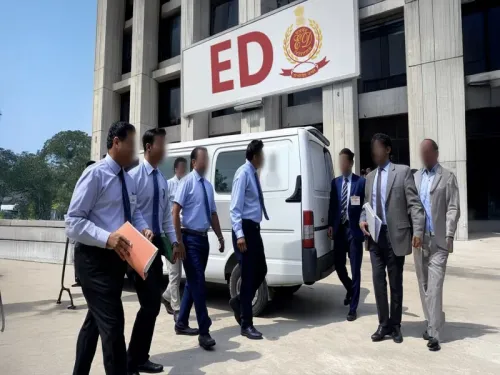
The Enforcement Directorate (ED) seized ₹3.8 crore in unaccounted cash during searches across 11 premises in Uttar Pradesh and Haryana on Monday, 25 August, targeting a company accused of fabricating invoices and misusing GST provisions to cause a ₹27.02 crore loss to the government exchequer. The operations were conducted by the ED's Lucknow Zonal Office under the Prevention of Money Laundering Act (PMLA), 2002.
What Was Seized
Investigators recovered ₹3.8 crore in cash along with incriminating documents and digital devices from the searched premises. Statements of key persons, including beneficiaries of the alleged fraud network, were also recorded during the operation, according to the ED.
How the Fraud Allegedly Worked
The ED alleged that the accused company and its directors fraudulently availed and passed on Input Tax Credit (ITC) using fabricated invoices and forged e-way bills — without any actual supply or receipt of goods or services. Forged consignment shipment challans were reportedly prepared in a pre-planned manner to obtain fake ITC and cause wrongful loss to the Central government.
According to the agency, fake ITC of approximately ₹10.28 crore was availed and passed on during Financial Year 2018-19 through a chain of non-existent and bogus entities. Funds received from beneficiary firms were transferred to these shell entities on the same day, then layered through multiple accounts and ultimately withdrawn in cash.
Scope of the Network
The ED's investigation — initiated on the basis of an FIR registered by the Uttar Pradesh Police under various sections of the Indian Penal Code, 1860 (scheduled offences under PMLA) — has revealed that the fake ITC network extends to several other units beyond the primary accused. This suggests a wider web of complicit entities that investigators are now pursuing.
Notably, the same-day fund transfers and rapid cash withdrawals point to a structured layering operation designed to obscure the money trail — a hallmark of organised financial fraud, according to the agency.
What Happens Next
With incriminating documents and digital devices now in the ED's possession, further arrests and attachment of proceeds of crime are expected as the investigation widens. The agency's findings could also prompt action by GST authorities against the broader network of beneficiary firms identified during searches.
Point of View
Not a ceiling. The real accountability question is whether GST authorities had the data signals to catch this during FY 2018-19 and why action came years later.
NationPress
9 Oct 2026
Frequently Asked Questions
What is the GST fraud case that the ED raided in UP and Haryana?
The ED alleges that a company and its directors fraudulently availed and passed on fake Input Tax Credit worth approximately ₹10.28 crore during FY 2018-19 using fabricated invoices and forged e-way bills, causing a total loss of ₹27.02 crore to the government exchequer. The agency conducted searches at 11 premises in Uttar Pradesh and Haryana under the PMLA, 2002.
How much cash did the ED seize in the GST fraud raids?
The ED seized ₹3.8 crore in unaccounted cash, along with incriminating documents and digital devices, during searches at 11 premises on 25 August. The cash recovery is part of a money laundering investigation linked to the fake ITC network.
What is fake Input Tax Credit (ITC) fraud?
Fake ITC fraud involves claiming GST tax credits for goods or services that were never actually supplied or received, using fabricated invoices and forged documents. This allows businesses to fraudulently reduce their tax liability or obtain cash refunds, causing direct losses to the government.
How was the money laundered in this case?
According to the ED, funds received from beneficiary firms were transferred to non-existent shell entities on the very same day, then layered through a maze of bank accounts and finally withdrawn as cash. This rapid layering was designed to obscure the money trail.
What happens next in the ED investigation?
With documents and digital devices seized and statements recorded, the ED is expected to widen its probe to other units in the fake ITC network. Attachment of proceeds of crime and possible arrests are anticipated as the investigation progresses.