Godhra train burning: SC grants convict medical bail
Synopsis
The Supreme Court has granted medical bail to Godhra train burning convict Irfan Siraj Pado after nearly 18 years in prison. His appeal against conviction remains pending, as does the Gujarat government's challenge to the commutation of 11 death sentences.
Key Takeaways
The Supreme Court suspended Irfan Siraj Pado 's life sentence and granted him medical bail on 23 November .
The Gujarat government acknowledged Pado 's cardiovascular condition during the hearing.
Pado 's appeal against conviction has been pending before the Supreme Court since 2018 .
The February 2002 burning of a Sabarmati Express coach at Godhra killed 59 people .
The Gujarat High Court upheld 31 convictions in 2017 and commuted 11 death sentences to life imprisonment.
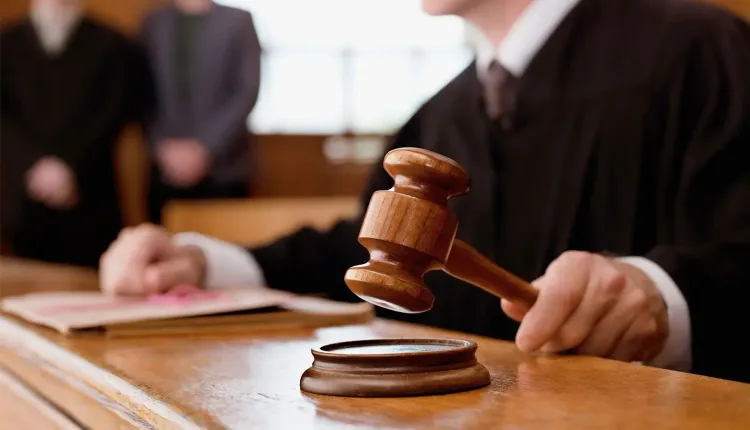
The Supreme Court on 23 November suspended the life sentence of Irfan Siraj Pado, a convict in the 2002 Godhra train burning case, and granted him medical bail while his appeal against conviction remains pending. The court considered his medical condition after nearly 18 years of incarceration; the Gujarat government also acknowledged his cardiovascular condition during the hearing.
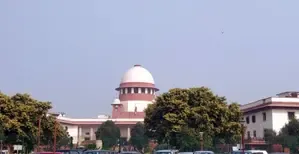
A bench of Justices M.M. Sundresh and Prasanna B. Varale granted the relief. The case concerns the burning of a coach of the Sabarmati Express at Godhra in February 2002, in which 59 people were killed.
Medical bail during pending appeal
Pado had asked the court to suspend his sentence and release him on bail while it considered his criminal appeal challenging his conviction. His appeal has been pending before the Supreme Court since 2018.
The relief concerns his imprisonment during the appeal; it does not itself decide the challenge to his conviction. The source report does not specify the conditions of his bail or when the appeal will be heard.
Trial court and High Court rulings
In March 2011, a trial court convicted 31 people in the case and acquitted 63 accused. Of those convicted, 11 were sentenced to death and 20 to life imprisonment.
In October 2017, the Gujarat High Court upheld all 31 convictions but commuted the 11 death sentences to life imprisonment. The convicts later challenged their convictions in the Supreme Court, while the Gujarat government challenged the commutation of the death sentences.
Earlier bail decisions
The Supreme Court granted bail to eight convicts in April 2023 and rejected the pleas of four others. In August 2023, it dismissed the bail applications of another three convicts.
In the latter decision, the court noted that the trial court had attributed specific roles to those applicants, including stone pelting and robbery of gold ornaments. It also clarified that rejecting their release applications would not prejudice the merits of their pending criminal appeals.
Significance of the pending challenges
The train burning and the communal riots that followed across Gujarat form the background to a case that has passed through the trial court and the Gujarat High Court before reaching the Supreme Court. The separate appeals put both the convictions and the commutation of death sentences before the top court.
For Pado, the latest order addresses his request for release on medical grounds rather than the final outcome of his challenge. The pending appeals remain to be decided by the Supreme Court.
Frequently Asked Questions
Who received medical bail in the Godhra train burning case?
The Supreme Court granted medical bail to Irfan Siraj Pado, who was serving a life sentence. The court suspended his sentence while his appeal against conviction remains pending.
Why did the Supreme Court grant Irfan Siraj Pado bail?
The court considered Pado's medical condition in granting bail. The Gujarat government acknowledged his cardiovascular condition during the hearing.
Does medical bail overturn Pado's conviction?
No, medical bail does not itself overturn Pado's conviction. His criminal appeal challenging the conviction has been pending before the Supreme Court since 2018.
What happened in the 2002 Godhra train burning?
A coach of the Sabarmati Express was set on fire at Godhra in February 2002, killing 59 people. Communal riots followed across Gujarat.
What other appeals are pending in the Godhra case?
The convicts have challenged their convictions, while the Gujarat government has challenged the commutation of 11 death sentences to life imprisonment. Those challenges are before the Supreme Court.