Jharkhand High Court Raises Alarm Over 437 Custodial Deaths Since 2018, Calls for Better Investigations
Synopsis
The Jharkhand High Court is deeply troubled by the reported 437 custodial deaths since 2018, highlighting significant deficiencies in mandatory investigations. The court's inquiry raises critical questions about accountability and compliance with judicial protocols.
Key Takeaways
437 custodial deaths reported in Jharkhand since 2018.
Major gaps in mandatory judicial investigations highlighted.
Judicial inquiries conducted in only 202 cases.
Next hearing on the matter set for April 30 .
Emphasis on compliance with legal frameworks and NHRC guidelines.
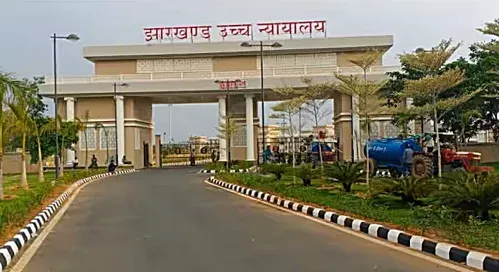
Ranchi, March 26 (NationPress) The Jharkhand High Court raised profound concerns on Thursday regarding the alarming total of 437 deaths that have occurred in judicial and police custody throughout the state since 2018, highlighting significant deficiencies in the requisite judicial examinations.
This figure emerged from an affidavit submitted by Vandana Dandel, Principal Secretary of the Department of Home, Prisons and Disaster Management, during the proceedings related to a Public Interest Litigation (PIL) addressing custodial fatalities.
A division bench comprising Chief Justice M.S. Sonak and Justice Rajesh Shankar acknowledged the affidavit, pointing out that numerous cases exhibited a lack of clarity on adherence to legal stipulations.
The affidavit revealed that judicial inquiries were only performed in 202 of the deaths that transpired within prison settings. Concerning deaths in police custody, 39 incidents were documented, with inquiries still pending for 11 cases.
The court reiterated that a magisterial inquiry is obligatory for every instance of death, disappearance, or alleged sexual assault occurring in police or judicial custody. The absence of such inquiries in various cases raises significant questions regarding accountability and compliance with due process.
The bench requested specific recommendations from the petitioner concerning additional relief measures and directions needed in this matter, emphasizing that the responsibility for ensuring compliance with legal frameworks lies distinctly with the State government.
This issue was also addressed in a prior hearing in February, when the court sought comprehensive information on custodial deaths and the status of ongoing inquiries. During that session, the state had reiterated the same total of 437 deaths from 2018 to 2025 but failed to clarify whether mandatory investigations had been conducted in most cases.
The High Court had previously stressed the necessity of independent judicial inquiries to foster transparency and accountability. It instructed the State to confirm whether magisterial inquiries had been executed in every case and if the guidelines established by the National Human Rights Commission (NHRC) were adhered to.
The matter is scheduled for further discussion on April 30.
Point of View
The ongoing situation surrounding custodial deaths in Jharkhand demands immediate attention. The alarming figure of 437 deaths raises profound questions about the state's commitment to justice and human rights. A thorough investigation into these matters is essential to restore public trust in the judicial system.
NationPress
24 Sept 2026
Frequently Asked Questions
How many custodial deaths have been reported in Jharkhand since 2018?
There have been a total of 437 custodial deaths reported in Jharkhand since 2018.
What did the Jharkhand High Court emphasize regarding investigations?
The High Court stressed that a magisterial inquiry is mandatory for every instance of death, disappearance, or alleged sexual assault in police or judicial custody.
What is the status of investigations into these custodial deaths?
Out of 437 deaths, judicial inquiries were only conducted in 202 cases, while 39 deaths in police custody are still under investigation.
When is the next hearing scheduled for this matter?
The next hearing regarding custodial deaths in Jharkhand is scheduled for April 30.
What are the implications of the lack of investigations?
The absence of thorough investigations raises serious concerns about accountability and adherence to due process within the judicial system.