Kallakkadal alert: High waves, coastal flood risk along Kerala coast on Aug 27
Synopsis
A Kallakkadal alert — triggered not by a local storm but by distant ocean swells — is threatening sudden coastal flooding across Kerala's southern districts on 27 August. With waves up to 1.5 metres forecast along the Kanyakumari coast and beach tourism suspended, the warning underscores how invisible, far-origin sea surges can be as dangerous as any cyclone.
Key Takeaways
INCOIS has issued a high-wave warning for 27 August across Thiruvananthapuram , Kollam , Alappuzha , and Kanyakumari coasts.
Wave heights of 0.9 to 1.2 metres forecast for Thiruvananthapuram, Kollam, and Alappuzha from 8:30 am to 11:30 pm .
Kanyakumari coast faces higher waves of 1.1 to 1.5 metres from 2:30 am to 11:30 pm .
The Kallakkadal phenomenon causes sudden coastal flooding from distant ocean swells — no local storm required.
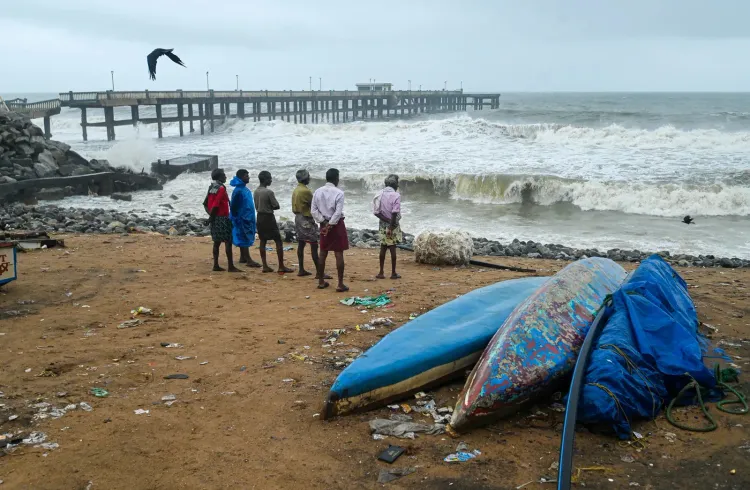
Fishermen advised not to launch or retrieve boats; all vessels to remain securely berthed at harbours.
Beach tourism and sea-based recreational activities suspended along the entire affected coastline.
Kerala's southern coastline is bracing for rough sea conditions and sudden coastal flooding on 27 August, as the Kallakkadal phenomenon — a surge driven by long-period ocean swells from distant weather systems — threatens low-lying areas across Thiruvananthapuram, Kollam, and Alappuzha districts. Authorities have sounded a formal alert, urging fishermen and coastal residents to exercise extreme caution through the day.
What Is Kallakkadal
Kallakkadal, literally meaning 'sea surge' in Malayalam, is a coastal flooding phenomenon distinct from cyclones or local storms. Powerful ocean swells generated by weather systems far out at sea travel across the ocean and strike the coast, causing the sea level to rise suddenly and inundate low-lying stretches — often without warning signs visible to residents on shore. This makes it particularly dangerous for fishing communities and beachside settlements.
INCOIS Forecast and Warning Zones
The National Centre for Ocean Information Services (INCOIS) has forecast wave heights of 0.9 to 1.2 metres along the coasts of Thiruvananthapuram, Kollam, and Alappuzha between 8:30 am and 11:30 pm on 27 August. The warning covers specific coastal stretches: Kappil to Pozhiyoor in Thiruvananthapuram, Alappad to Edava in Kollam, and Chellanam to Azhikkal Jetty in Alappuzha.
Conditions are expected to be more severe along the Kanyakumari coast, where waves of 1.1 to 1.5 metres are forecast between 2:30 am and 11:30 pm on Thursday — a longer and more intense window than the neighbouring districts.
Advisories for Fishermen and Residents
Fishermen have been explicitly advised against launching or retrieving small boats and fishing vessels during peak wave activity, as both operations carry serious collision and capsizing risk. All fishing vessels are to remain securely berthed at harbours, with adequate spacing between boats to prevent equipment damage.
Coastal residents in vulnerable areas have been instructed to relocate to safer locations as directed by local authorities. The public has been asked to stay away from beaches entirely and suspend all sea-based recreational activities until the INCOIS warning is formally withdrawn.
Beach Tourism Suspended
Beach tourism and shoreline activities along the affected stretches have been suspended for the duration of the alert. Residents are urged to remain alert to sudden sea incursions and coastal erosion, particularly in areas historically prone to wave damage. Authorities have emphasised that the absence of a local storm does not reduce the risk — a key distinction given how the Kallakkadal phenomenon works.
The warning will remain in effect until INCOIS issues an all-clear, and residents are advised to monitor updates from local administration closely.
Point of View
Not with swells originating thousands of kilometres away. INCOIS has the forecasting capacity, but last-mile communication to fishing hamlets remains inconsistent — and in past Kallakkadal events, lives were lost precisely because the sea looked calm before it surged. Kerala's coastal disaster preparedness has improved, but the recurring nature of these alerts along the same vulnerable stretches — Kappil, Chellanam, Alappad — raises questions about whether permanent mitigation infrastructure, not just seasonal warnings, is being prioritised.
NationPress
10 Oct 2026
Frequently Asked Questions
What is the Kallakkadal phenomenon?
Kallakkadal is a coastal flooding event caused by powerful long-period ocean swells generated by distant weather systems, not local storms or cyclones. The swells travel across the ocean and cause the sea to rise suddenly, inundating low-lying coastal areas with little visible warning.
Which areas are under the Kerala coastal wave alert on 27 August?
The INCOIS warning covers coastal stretches in Thiruvananthapuram (Kappil to Pozhiyoor), Kollam (Alappad to Edava), and Alappuzha (Chellanam to Azhikkal Jetty). The Kanyakumari coast is also affected, with higher wave heights forecast there.
How high are the waves expected to be?
Waves of 0.9 to 1.2 metres are forecast for Thiruvananthapuram, Kollam, and Alappuzha coasts. The Kanyakumari coast faces steeper waves of 1.1 to 1.5 metres, with the warning active from 2:30 am to 11:30 pm on 27 August.
What are fishermen advised to do during the Kallakkadal alert?
Fishermen have been advised not to launch or retrieve small boats and fishing vessels during peak wave activity. All vessels should remain securely berthed at harbours with adequate spacing between them to prevent collisions and equipment damage.
Is beach tourism allowed during the warning period?
No. Beach tourism and all sea-based recreational activities have been suspended along the affected coastline for the duration of the INCOIS alert. The public is advised to stay away from beaches until the warning is formally withdrawn.