Kamal Haasan submits 6-point plan to CM Vijay for Tamil cinema revival
Synopsis
Kamal Haasan has handed Tamil Nadu CM C. Joseph Vijay a six-point blueprint for the film industry — anchored by a state-owned OTT platform, scrapping the 4% entertainment tax, a mandatory 8-week theatrical window before OTT release, and a dedicated anti-piracy wing. It is one of the most detailed policy pushes any film personality has made to a state government in recent memory.
Key Takeaways
Kamal Haasan submitted a six-point memorandum to Tamil Nadu CM C.
Joseph Vijay after meeting him late Saturday in Chennai .
Key demand: launch of a state-owned OTT platform offering Tamil films and documentaries at subsidised rates.
Haasan called for abolition of the four per cent local body entertainment tax to ease financial pressure on filmmakers and exhibitors.
Proposed a dedicated anti-piracy enforcement wing within the Tamil Nadu Police Cyber Crime Department with real-time takedown powers.
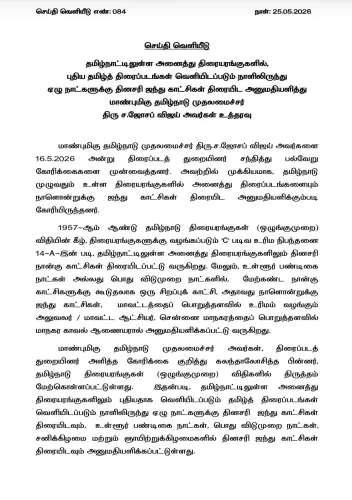
Theatres should be allowed five shows daily for all films, with a mandatory eight-week OTT window to protect theatrical revenues.
MNM , a DMK ally, did not contest the 2026 Tamil Nadu Assembly elections but remains active on policy issues.
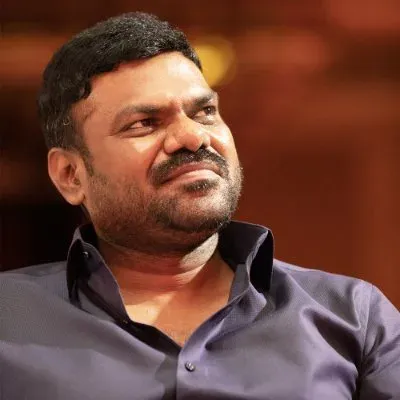
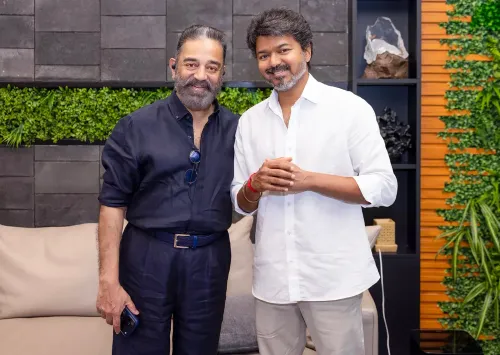
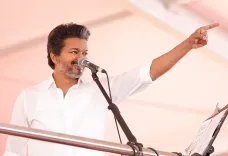
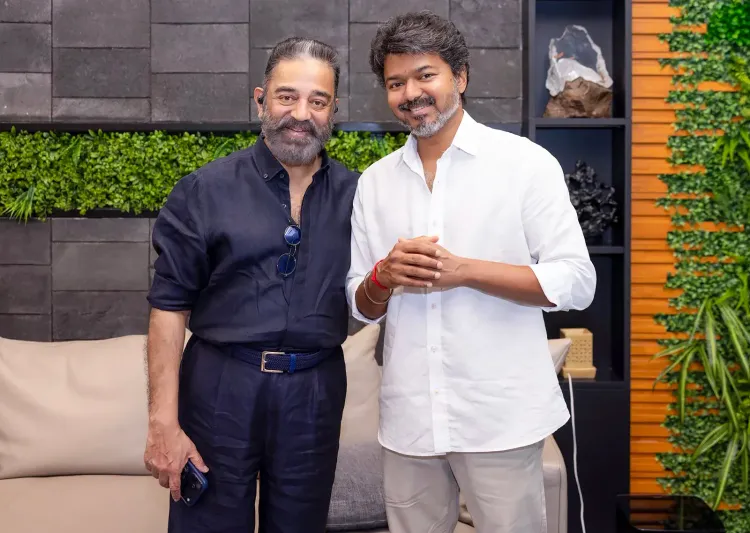
Actor-politician and Makkal Needhi Maiam (MNM) chief Kamal Haasan has submitted a six-point memorandum to Tamil Nadu Chief Minister C. Joseph Vijay, calling for sweeping policy reforms to revitalise the Tamil film industry. Haasan met the Chief Minister late Saturday in Chennai and subsequently shared the details of his recommendations on X on Sunday, 18 May 2025.
State-Owned OTT Platform
The centrepiece of Haasan's proposal is the creation of a government-backed OTT platform that would give Tamil audiences affordable access to Tamil films, independent productions, and documentaries. “I request the Tamil Nadu government to launch a state-owned OTT platform where Tamil audiences could access Tamil cinema, independent films and documentaries at affordable and subsidised rates,” Haasan said in his post on X.
Such a platform, if realised, would place Tamil Nadu among the few Indian states to operate a public streaming service, potentially reshaping how regional content is distributed and monetised.
Tax Relief and Theatre Revenue Measures
Haasan called for the complete abolition of the existing four per cent local body entertainment tax, arguing that mounting production expenses and rising operational costs for theatres and distributors have placed severe financial strain on the industry. He argued that removing the levy would provide immediate relief to filmmakers and exhibitors alike.
To further bolster theatre revenues, the MNM chief requested government permission for cinemas across Tamil Nadu to screen five shows daily for all films. He also proposed a mandatory eight-week OTT release window for films screened in the state, designed to shield theatre owners and distributors from early digital cannibalisation of box-office earnings.
Anti-Piracy Enforcement Wing
Haasan pressed for stronger action against digital piracy, which he said continues to inflict heavy financial losses on the Tamil film industry. He urged the government to establish a dedicated anti-piracy enforcement wing within the Tamil Nadu Police Cyber Crime Department, equipped with powers to execute real-time takedowns of pirated content. This comes amid persistent concerns across Indian film industries that existing legal mechanisms are too slow to prevent revenue haemorrhage from leak-day piracy.
Film Production Incentive Scheme
The sixth and final recommendation was the introduction of a film production incentive scheme aimed at restoring Tamil Nadu's position as a leading production hub in India. Haasan argued that such a scheme would not only attract productions to the state but also generate employment and promote tourism across Tamil Nadu.
Political Context
The memorandum carries political weight beyond cinema policy. MNM, which is an ally of the ruling Dravida Munnetra Kazhagam (DMK), did not contest the 2026 Tamil Nadu Assembly elections. Haasan's direct engagement with Chief Minister Vijay signals the party's intent to remain a visible policy voice within the ruling alliance even without legislative representation. Whether the Vijay government acts on these proposals — particularly the OTT platform and anti-piracy wing — will be closely watched by industry stakeholders.
Point of View
Not a vague appeal. The state OTT proposal is the boldest: no major Indian state has successfully run a public streaming service, and the economics are far harder than they appear. The eight-week theatrical window demand, meanwhile, puts him squarely on the side of exhibitors in a dispute that has roiled Indian cinema for three years. What is missing is any acknowledgement that some of these measures — particularly the five-shows-daily rule — could conflict with each other if a single big release dominates screens. The Vijay government, still finding its feet, faces a test of whether it can translate a friendly ally's wishlist into workable policy.
NationPress
30 Sept 2026
Frequently Asked Questions
What did Kamal Haasan propose in his memorandum to Tamil Nadu CM Vijay?
Kamal Haasan submitted a six-point memorandum to Chief Minister C. Joseph Vijay seeking a state-owned OTT platform, abolition of the four per cent local body entertainment tax, a dedicated anti-piracy enforcement wing, permission for five daily shows in theatres, an eight-week mandatory OTT release window, and a film production incentive scheme.
Why is Kamal Haasan calling for a state-owned OTT platform?
Haasan argued that a government-backed streaming service would give Tamil audiences affordable, subsidised access to Tamil cinema, independent films, and documentaries, while supporting content creators who may not secure deals on commercial platforms.
What is the proposed anti-piracy enforcement wing?
Haasan urged the Tamil Nadu government to create a dedicated unit within the Tamil Nadu Police Cyber Crime Department empowered to carry out real-time takedowns of pirated content, addressing what he described as heavy ongoing financial losses to the film industry.
What is the eight-week OTT release window and why does it matter?
The proposal would require films released in Tamil Nadu to wait eight weeks before streaming on OTT platforms. It is designed to protect theatre owners and distributors from losing box-office revenue to early digital releases, a flashpoint across Indian cinema since the pandemic.
What is MNM's relationship with the ruling DMK government?
Makkal Needhi Maiam, led by Kamal Haasan, is an ally of the ruling Dravida Munnetra Kazhagam but did not contest the 2026 Tamil Nadu Assembly elections. Haasan's direct engagement with CM Vijay reflects the party's continued policy role within the alliance despite having no legislative seats.