Kerala cooperative banks: BJP alleges ₹1,582 crore fraud
Synopsis
BJP state president Rajeev Chandrasekhar alleges ₹1,582 crore in irregularities at Kerala cooperative banks over a decade and says 450 societies cannot repay depositors. He also accuses the CPI(M) of political interference and intimidation.
Key Takeaways
Rajeev Chandrasekhar alleged ₹1,582 crore in cooperative bank irregularities in Kerala over the past decade.
He said 450 cooperative societies could not return depositors’ money and irregularities had been found in 251 societies .
He said the Enforcement Directorate was investigating cases involving 27 banks and around ₹550 crore in alleged irregularities.
Chandrasekhar said properties worth ₹128 crore had been attached in the Karuvannur case.
He claimed more than 1,200 Nemom depositors were awaiting nearly ₹108 crore .
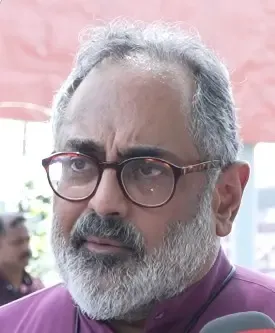
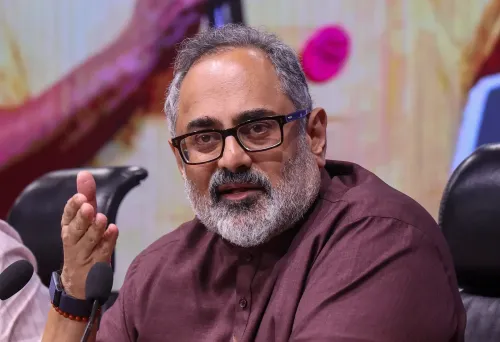
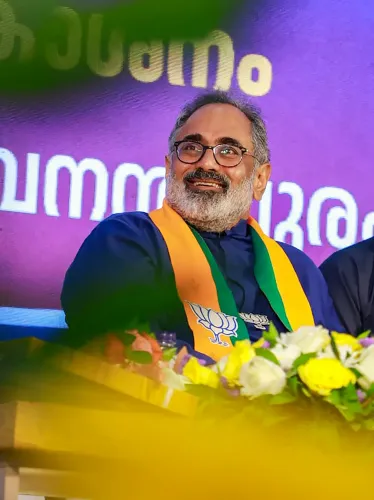
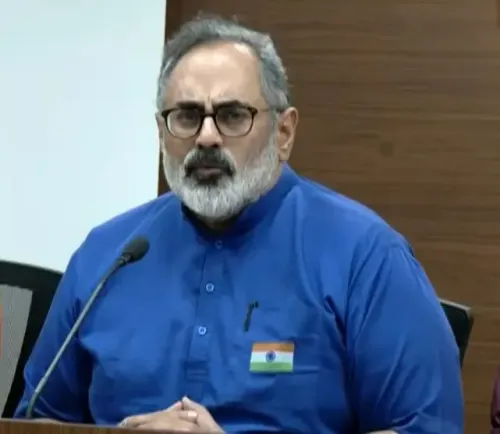
Kerala cooperative banks have become ‘corruption ATMs’ for the Communist Party of India (Marxist), Bharatiya Janata Party (BJP) state president Rajeev Chandrasekhar alleged on 23 November, claiming that ordinary depositors had lost their lifetime savings. He also alleged that people who exposed irregularities faced political intimidation.
Chandrasekhar cited alleged irregularities worth ₹1,582 crore in cooperative banks over the past decade and said 450 cooperative societies were unable to return depositors’ money. The figures and allegations were presented by the BJP leader; the source did not include an independent verification or a response from the CPI(M).
Figures cited on cooperative societies
Chandrasekhar said irregularities had been detected in 251 societies. He also claimed that the Enforcement Directorate (ED) was investigating cases involving 27 cooperative banks and alleged irregularities of around ₹550 crore.
The figures refer to different categories: societies said to be unable to repay depositors, societies where irregularities were allegedly detected, and banks involved in cases the ED was said to be investigating. The source did not specify whether these groups overlap or how much of the money allegedly involved has been recovered.
Chandrasekhar accused the state government of failing to protect people who had entrusted their savings to cooperative institutions. He also alleged that the Risk Fund mechanism had not provided effective relief to depositors unable to withdraw their money.
Karuvannur and Nemom cases
Referring to the Karuvannur cooperative bank fraud case, Chandrasekhar said properties worth ₹128 crore had been attached. He further alleged that the CPI(M) had been made an accused in the case.
The BJP leader also claimed that more than 1,200 depositors of the Nemom cooperative bank were yet to receive nearly ₹108 crore. The source did not provide a repayment timetable or the bank’s response to that claim.
For those awaiting access to their savings, the distinction between property attachment and repayment is important: the figures cited by Chandrasekhar describe both investigative action and amounts he said remained unpaid, but do not establish when depositors would receive funds.
Allegations of political intimidation
Chandrasekhar cited an attack on an MLA in Payyannur after the legislator exposed alleged corruption in the cooperative sector. He alleged that the attack reflected an attempt to silence democratic criticism through violence.
He also accused the CPI(M) of taking control of public institutions, including the PSC, Devaswom boards, cooperative institutions and the police, to serve its political interests. The source did not name the MLA or provide a response from the party to these allegations.
BJP manifesto and the way forward
Chandrasekhar accused the CPI(M) and the Indian National Congress (Congress) of creating controversies to divert attention from the cooperative sector. He said the BJP-NDA ‘Viksit Keralam’ manifesto envisaged cleaning up the sector, improving transparency and accountability, and protecting depositors.
He contrasted the situation in Kerala with what he described as the Centre’s efforts under Prime Minister Narendra Modi and Home Minister Amit Shah to strengthen cooperatives as instruments of economic progress.
The source did not set out implementation details for the manifesto proposals. The progress of investigations and any steps to return money to depositors remain developments to watch.
Point of View
What has been recovered and when repayments can be made. Property attachments and investigations matter, but neither should be confused with money returned to savers. Political parties making competing claims should be held to the same standard: disclose the evidence and explain how depositor protection will work.
NationPress
23 Nov 2026
Frequently Asked Questions
What did Rajeev Chandrasekhar allege about Kerala cooperative banks?
The BJP state president alleged ₹1,582 crore in irregularities at Kerala cooperative banks over the past decade and accused the CPI(M) of using the sector for corruption. He also claimed depositors had lost savings and whistleblowers faced intimidation.
How many Kerala cooperative societies cannot repay depositors?
Chandrasekhar said 450 cooperative societies were unable to return depositors’ money. The source did not independently verify the figure.
What did the BJP say about the Karuvannur cooperative bank case?
Chandrasekhar said properties worth ₹128 crore had been attached in the Karuvannur case. He also alleged that the CPI(M) had been made an accused.
How much money are Nemom cooperative bank depositors awaiting?
Chandrasekhar claimed that more than 1,200 Nemom cooperative bank depositors were awaiting nearly ₹108 crore. The source did not give a repayment timetable.
What has the BJP proposed for Kerala’s cooperative sector?
Chandrasekhar said the BJP-NDA’s Viksit Keralam manifesto envisaged cleaning up the sector, improving transparency and accountability, and protecting depositors. The source did not provide implementation details.