Ayodhya temple trust names Krishna Mohan interim General Secretary amid financial row
Synopsis
The Ram Janmabhoomi Trust's financial storm has elevated a quiet RSS organiser to its most scrutinised chair. Krishna Mohan, a retired IFS officer with years of behind-the-scenes temple work, now faces a dual challenge: restoring devotee trust in the sanctity of donations while navigating a politically charged probe — all with a state election looming.
Key Takeaways
Krishna Mohan , 73, appointed interim General Secretary of the Shri Ram Janmabhoomi Teerth Kshetra Trust on Monday, 7 July 2025 .
Outgoing General Secretary Champat Rai and Trustee Anil Mishra resigned amid a financial controversy over alleged missing donations and valuables.
The Yogi Adityanath government constituted an SIT with a fixed deadline to investigate the matter.
Mohan, a retired IFS officer and RSS regional chief for eastern Uttar Pradesh, declared at a press conference that no donations or objects are missing.
Opposition parties have framed the episode as a scam, though analysts warn this risks alienating devotees who see the temple as above partisan politics.
Calls for independent audits and stricter financial oversight of the Trust are intensifying ahead of the Uttar Pradesh Assembly election .
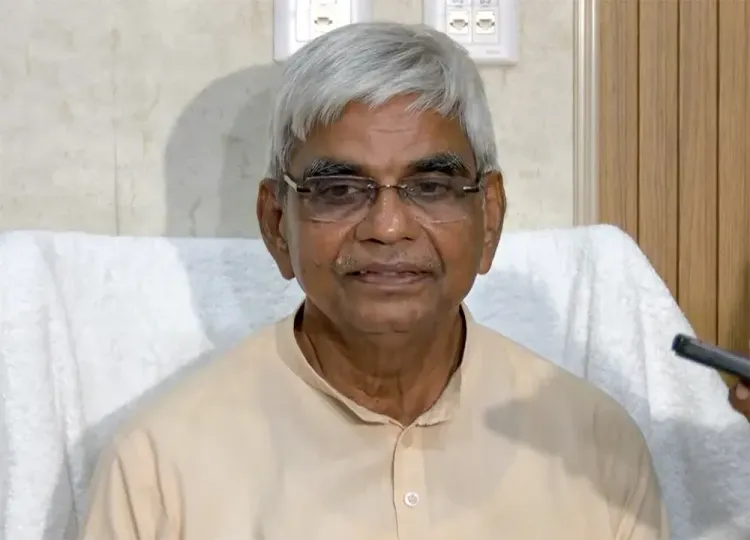
Krishna Mohan, the 73-year-old regional chief of the Rashtriya Swayamsevak Sangh (RSS) for eastern Uttar Pradesh, has been appointed interim General Secretary of the Shri Ram Janmabhoomi Teerth Kshetra Trust following the resignation of Champat Rai and Trustee Anil Mishra amid a widening financial controversy. The appointment, announced on Monday, 7 July 2025, comes at a critical juncture for the Trust, which is navigating intense public scrutiny, political pressure, and a pressing need to rebuild devotee confidence.
Who Is Krishna Mohan
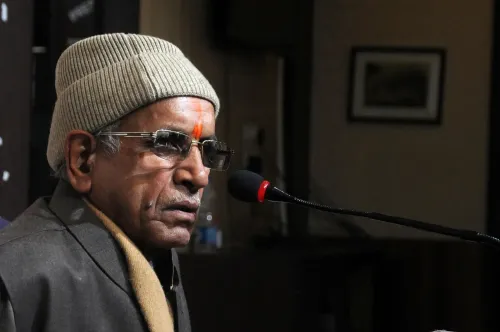
Mohan is no stranger to the Ram Mandir project. A retired Indian Forest Service (IFS) officer, he has been associated with the Trust's administrative and supervisory functions for years, giving him a working knowledge of both its daily operations and its larger institutional vision. Within Ayodhya's religious circles, he is regarded as a methodical, behind-the-scenes organiser — a temperament that observers say could prove steadying during the current turbulence.
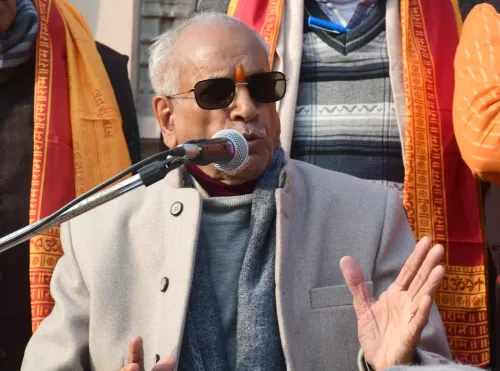
On Monday, Mohan was emphatic in rebutting allegations of missing donations and valuables, framing his opening remarks as a commitment to transparency. By signalling that the Trust's financial records would be opened to scrutiny, he sought to reassure millions of devotees that their offerings remain safe and accounted for.
The Financial Controversy
The resignations of Rai and Mishra came amid allegations of financial mismanagement within the Trust. Opposition parties have accused the body of irregularities and hinted at deeper conspiracies, a narrative many analysts believe is partly shaped by the Uttar Pradesh Assembly election due next year. Notably, unlike many comparable religious endowments, the state government has no direct role in managing the Trust's affairs — the Yogi Adityanath-led administration's mandate is broadly limited to security and law-and-order support.
The state government nonetheless moved swiftly, constituting a Special Investigation Team (SIT) and setting a deadline for its findings. Several unnamed Trust members also chose to step down voluntarily, reportedly to ensure that the probe could proceed without any perception of internal pressure.
Political Dimensions
For Opposition parties, the controversy has presented an opportunity to challenge the Bharatiya Janata Party (BJP), which has closely identified itself with the Ram Mandir project. By framing the episode as a scam, critics sought to erode the BJP's moral authority on the issue. However, some political observers argue that this approach risks backfiring — devotees who regard the temple as a matter of faith above partisan politics may not respond well to what they perceive as opportunistic attacks. A more calibrated demand for institutional transparency, analysts suggest, might have carried greater resonance.
What the Trust Said
At a press conference on Monday, the Trust moved to reclaim the narrative. Officials asserted that no objects or donations are missing, accepted the resignations of senior functionaries, and presented the appointment of new leadership as evidence of both accountability and institutional resilience. Mohan himself declared: 'The Mandir belongs to the nation,' adding that its sanctity would not be compromised under his watch.
The Road Ahead
Calls for independent audits, greater financial disclosure, and stricter oversight mechanisms are growing louder across devotee groups and civil society. Mohan's tenure will be judged by how swiftly and credibly he implements structural reforms to the Trust's financial governance. The Ram Mandir represents the culmination of centuries of legal battles and collective faith; any perception of misuse of donations strikes at the heart of that sentiment. The interim General Secretary inherits a daunting but consequential mandate.
Point of View
SIT welcomed, new leadership installed — is textbook crisis management, but optics alone will not be enough. The deeper question is whether the Ram Janmabhoomi Trust, which operates outside direct state oversight, has the institutional architecture for the financial transparency that a project of this national scale demands. Mohan's IFS background gives him administrative credibility, but credibility must be converted into structural reform: independent audits, published accounts, and a clear chain of custody for donations. The Opposition's 'scam' framing is politically convenient but strategically risky — it conflates institutional failure with deliberate fraud before the SIT has reported. The BJP, meanwhile, cannot afford to treat this as merely a PR problem; the Ram Mandir's legitimacy rests on the sanctity of every rupee donated.
NationPress
5 Oct 2026
Frequently Asked Questions
Who is Krishna Mohan, the new interim General Secretary of the Ram Janmabhoomi Trust?
Krishna Mohan is a 73-year-old retired Indian Forest Service officer and the RSS regional chief for eastern Uttar Pradesh. He has been associated with the Ram Mandir Trust in administrative and supervisory roles for years and is regarded within Ayodhya's religious circles as a methodical, behind-the-scenes organiser.
Why did Champat Rai resign as General Secretary of the Ram Janmabhoomi Trust?
Champat Rai resigned amid a financial controversy involving allegations of missing donations and valuables at the Trust. Trustee Anil Mishra also stepped down at the same time, with several other unnamed members reportedly resigning voluntarily to allow a probe to proceed without any perception of internal pressure.
What action has the Uttar Pradesh government taken in the Ram Mandir Trust controversy?
The Yogi Adityanath-led state government constituted a Special Investigation Team (SIT) and set a deadline for its findings. The state's direct role in managing the Trust's affairs is limited to security and law-and-order support; it does not govern the Trust's finances.
What did Krishna Mohan say at the Trust's press conference?
Mohan asserted that no donations or objects are missing, signalled that the Trust's records would be opened to scrutiny, and declared 'The Mandir belongs to the nation,' promising that its sanctity would not be compromised. The press conference was aimed at reassuring devotees and reclaiming the public narrative.
How have Opposition parties responded to the Ram Mandir Trust controversy?
Opposition parties have accused the Trust of financial mismanagement and alleged broader conspiracies, framing the episode as a scam. Analysts note the timing is linked to the upcoming Uttar Pradesh Assembly election, and some suggest the approach risks alienating devotees who view the temple as beyond partisan politics.