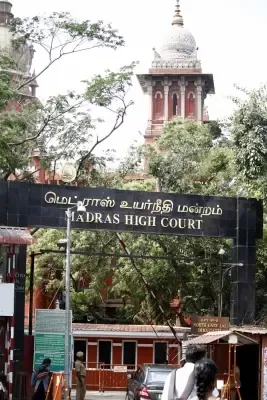
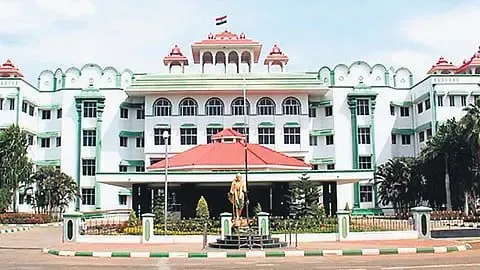
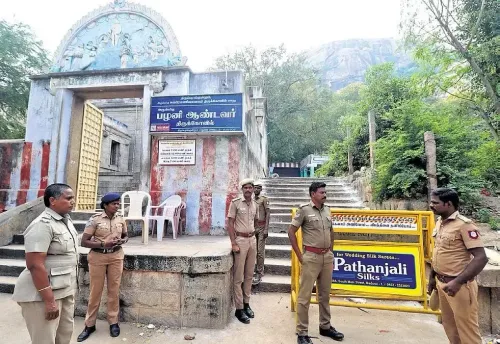
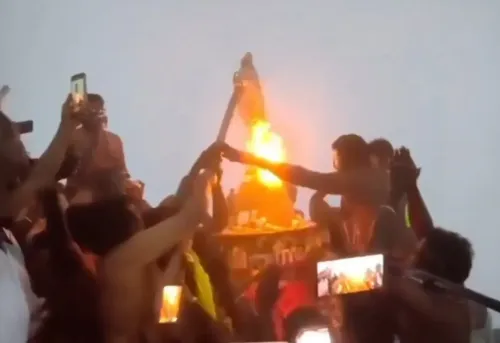
Will the Madras HC Rule on the Thiruparankundram Hill Lamp Case Tomorrow?
Synopsis
As the Madras High Court braces to deliver its verdict on the Thiruparankundram Hill lamp case, the outcome could redefine religious practices and property rights in the region. With compelling arguments from both sides, the decision on January 6 could have significant implications for local customs.
Key Takeaways
The Madras High Court is set to deliver a crucial verdict on January 6.
The case questions the intersection of religious practices and property rights .
Arguments highlight the absence of historical evidence for a lamp post.
The decision may set legal precedents for similar disputes.
All parties involved have presented compelling arguments.
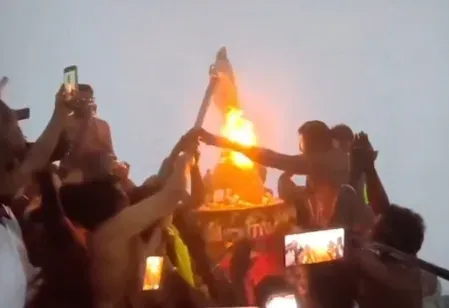
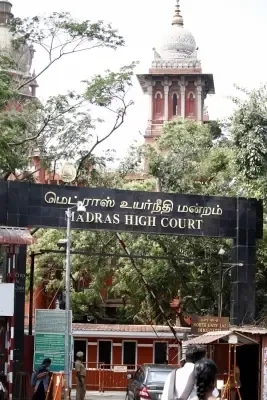
Chennai, Jan 5 (NationPress) The Madras High Court is anticipated to announce its ruling on Tuesday regarding the controversial Thiruparankundram Hill lamp case, following the reservation of orders on a series of appeals that challenge a single judge's order allowing the lighting of a ceremonial lamp at the hilltop.
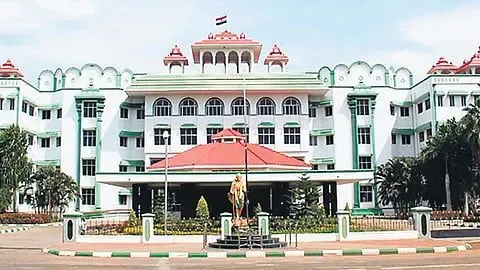
The case was deliberated by a Division Bench which includes Justices G. Jayachandran and K.K. Ramakrishnan, who took into account comprehensive oral arguments from all involved parties. The appeals were submitted by various stakeholders, such as the Charitable Trust Department and the Dargah administration, against a prior ruling by Justice G.R. Swaminathan.
The primary question before the court centers on whether it is permissible to light a lamp at the pinnacle of Thiruparankundram Hill and if this act represents a simple religious observance or asserts property rights over the land.
Chief Advocate P.S. Raman, representing the Tamil Nadu government, argued that the petitioner, Ram Ravikumar, failed to provide any solid documentary or historical proof to substantiate the presence of a lamp post or pillar on the hill.
He stated that the government has consistently asserted that no such lamp pillar exists at the location.
Raman referenced historical documents to support the government's stance, noting that when a judge inspected the hill in 1920, the judgment made no reference to any lamp pillar. He contended that if such a structure had existed, it would have been mentioned in the inspection report and subsequent ruling.
Additionally, he argued that the administration of temples and the execution of religious ceremonies are regulated by statutory rules and established practices.
According to him, temple authorities possess the exclusive right to perform customary rituals in strict accordance with the law.
The Chief Advocate further claimed that this dispute should have been directed to a civil court, as it pertains to rights, usage, and long-standing traditions.
All worship-related customs and practices at Thiruparankundram, he maintained, are currently conducted in accordance with legal standards.
Challenging the single judge's order, Raman asked whether the case genuinely pertains to lighting a lamp or if it indirectly involves a claim over property rights.
He raised a broader legal question about whether an individual could assert ownership or exclusive rights over temple or government land by claiming the right to light a lamp in a specific location. After reviewing arguments from all sides, the Division Bench has reserved its decision, with the ruling expected on Tuesday, January 6.
Point of View
The Thiruparankundram Hill lamp case underscores the delicate balance between religious practices and legal rights in India. The anticipated ruling will likely have broader implications for similar disputes across the nation, emphasizing the importance of upholding both tradition and the rule of law.
NationPress
1 Oct 2026
Frequently Asked Questions
What is the Thiruparankundram Hill lamp case about?
The case involves a legal challenge regarding the lighting of a ceremonial lamp atop Thiruparankundram Hill, questioning whether it constitutes a religious practice or asserts property rights.
What are the key arguments from the Tamil Nadu government?
The Tamil Nadu government argues that there is no historical evidence of a lamp post or pillar at the hilltop and that religious ceremonies must follow legal regulations.
When is the court expected to deliver its verdict?
The Madras High Court is expected to announce its verdict on January 6.
Who are the parties involved in this case?
The case involves several stakeholders, including the Charitable Trust Department and Dargah administration, challenging a previous ruling.
How could this ruling affect local customs?
The ruling could redefine the relationship between religious practices and property rights, potentially impacting how ceremonies are conducted in the future.