Maharashtra Set to Introduce Groundbreaking Cooperation Policy
Synopsis
Maharashtra's Minister of Cooperation, Babasaheb Patil, has announced the impending release of a new cooperation policy aimed at enhancing the sector. This initiative seeks to incorporate expert insights and bolster the cooperative movement as a vital element of the state's economy.
Key Takeaways
New cooperation policy to enhance sector development.
15-member committee established for policy drafting.
Focus on transparency , efficiency , and sustainability .
Approximately 2.33 lakh cooperative societies operating in the state.
Government support includes interest subsidies and grants .
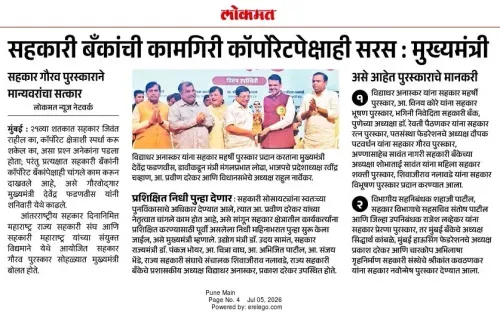
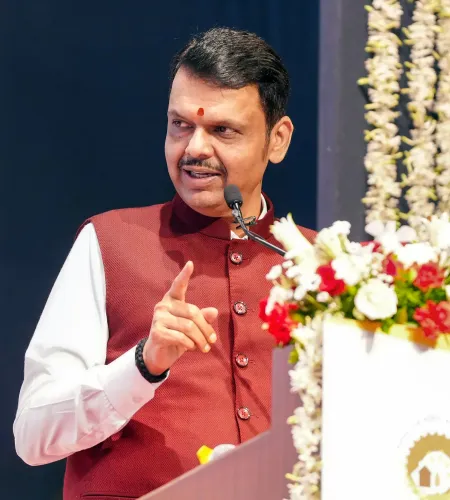
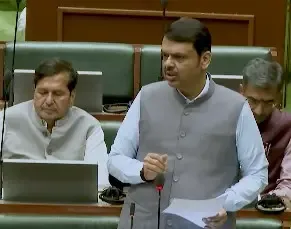
Mumbai, March 24 (NationPress) The Maharashtra Minister of Cooperation, Babasaheb Patil, declared during a session of the State Council on Tuesday that the government is set to unveil a comprehensive new cooperation policy aimed at advancing the sector's growth.
Patil asserted that the cooperative sector serves as a blueprint for social and economic change.
This announcement came as a response to a brief discussion initiated by member Pravin Darekar under Rule 97.
He informed the assembly that a 15-member committee has been formed to develop the new policy.
Consultations will occur across different regions, including Mumbai and Nagpur, to gather insights from experts, seasoned activists, and the youth. The new policy will emphasize transparency, efficiency, and sustainable development.
Minister Patil highlighted that the cooperative movement is essential to the rural economy, with around 2.33 lakh cooperative societies currently operating in the state.
This extensive network comprises apex organizations, District Central Co-operative Banks (DCCBs), primary agricultural credit societies, urban banks, sugar factories, and housing associations.
He noted that the government is fortifying the sector through interest subsidies for DCCBs, financial support for primary institutions, interest rebates for farmers who promptly repay their crop loans, digitization initiatives for cooperative societies, and funding from the National Cooperative Development Corporation (NCDC) for various projects.
At present, there are 128 cooperative and 134 private sugar factories in operation. The Fair and Remunerative Price (FRP) regulations are in place to protect farmers.
Modern machinery and direct field assistance will be provided to farmers to enhance productivity and prolong the crushing season, facilitated by the Vasantdada Sugar Institute.
Additionally, financial help is being extended to struggling DCCBs.
Moreover, the redevelopment of housing societies has been expedited, with enhancements in grievance resolution mechanisms and quicker decision-making processes.
Minister Patil concluded by stating that the cooperative movement will be pivotal in creating future employment opportunities.
He reiterated the government’s dedication to bolstering sectors like dairy and fisheries through cooperatives, ensuring that this movement continues to be a robust cornerstone of the state’s development.
Point of View
The announcement of a new cooperation policy in Maharashtra reflects a significant step towards revitalizing the cooperative sector, which holds immense potential for economic transformation. By engaging a diverse range of stakeholders, the government aims to foster an inclusive growth model that could serve as a blueprint for other regions.
NationPress
22 Sept 2026
Frequently Asked Questions
What is the purpose of the new cooperation policy?
The new cooperation policy aims to advance the cooperative sector's development by enhancing transparency, efficiency, and sustainable practices.
Who is involved in drafting the new policy?
A 15-member committee has been established, and consultations will take place with experts, activists, and the youth across various regions.
How many cooperative societies are active in Maharashtra?
There are approximately 2.33 lakh cooperative societies operating in Maharashtra.
What support is the government providing to the cooperative sector?
The government is offering interest subsidies, financial grants, and funding for digitization and development projects to strengthen the cooperative sector.
What is the significance of the cooperative movement?
The cooperative movement is crucial for the rural economy, providing essential services and support to numerous communities across Maharashtra.