Indian Markets Close Steady Amid US-Iran Geopolitical Tensions

Synopsis
On April 20, Indian equity markets finished on a flat note as escalating geopolitical concerns in West Asia impacted investor sentiment. While the Nifty and Sensex saw slight gains, uncertainty regarding US-Iran relations loomed large, affecting market momentum.
Key Takeaways
Nifty closed at 24,364.85, up by 11.30 points.
Sensex settled at 78,520.30, gaining 27 points.
Critical resistance for Nifty is at 24,400–24,500 .
Immediate support found at 24,200 .
Market volatility increased with India VIX at 19.01 .
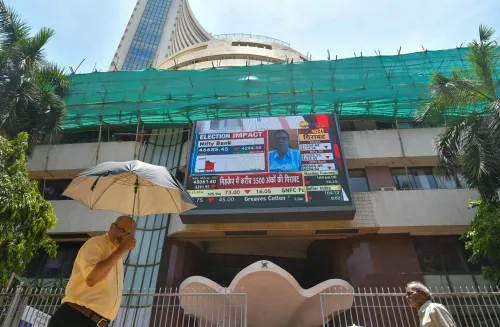
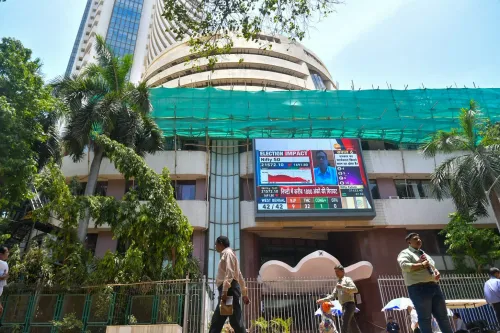
Mumbai, April 20 (NationPress) The Indian stock market concluded Tuesday's trading session on a virtually unchanged note, as the primary indices relinquished a significant portion of their intraday gains due to escalating geopolitical worries in the Middle East that affected investor confidence.
The Nifty index saw a slight increase of 11.30 points, or 0.05 percent, closing at 24,364.85, while the Sensex rose by 27 points, or 0.03 percent, finishing at 78,520.30.
Experts analyzing the Nifty's technical perspective indicated that the 24,400–24,500 range is a pivotal resistance zone.
“A significant breakout beyond this threshold is essential to propel the rally towards 24,850 and, ultimately, the critical 25,000 mark, where considerable selling pressure is anticipated,” remarked an analyst.
“Conversely, 24,200 serves as immediate support, coinciding with the 50-day moving average. Should the market dip below this, the 24,100–24,000 range remains a vital demand zone, bolstered by robust positioning data and past price action,” noted a market specialist.
Despite a positive start, both indices lost steam as the trading day progressed, influenced by uncertainties surrounding the US-Iran situation that weighed heavily on risk appetite.
Market volatility surged sharply, with the India VIX increasing by 10.5 percent to reach 19.01.
Among the stocks under scrutiny, Jio Financial Services, Hindalco Industries, and Tata Motors emerged as the primary underperformers, pulling the benchmarks down.
Sector-wise, PSU banking and media shares displayed resilience and outperformed the overall market, while IT and real estate stocks faced significant selling pressure.
This muted market close is set against a backdrop of renewed tensions in the Middle East, triggered by the United States Navy's seizure of an Iranian-flagged cargo ship in the Gulf of Oman.
This incident was preceded by reports of Iranian forces firing upon commercial vessels navigating through the Strait of Hormuz, a crucial global oil shipping lane.
Such developments have rekindled doubts about the viability of impending diplomatic discussions between the United States and Iran, raising concerns over potential disruptions in the global oil supply chain and amplifying market uncertainty.
Analysts observed that although domestic fundamentals remain favorable, global geopolitical dynamics continue to steer short-term market trends, keeping investors on high alert.
“The resurgence of geopolitical tensions, particularly related to the US–Iran conflict, has intensified worries following reports of disruptions affecting energy infrastructure,” concluded an analyst.
Point of View
The recent fluctuations in the Indian stock market underscore the significant impact of global geopolitical issues on domestic investor sentiment. While local fundamentals remain solid, the uncertainty arising from international relations, particularly the US-Iran conflict, continues to create volatility in the markets.
NationPress
19 Sept 2026
Frequently Asked Questions
What led to the flat close of Indian equity markets?
The flat closing of Indian equity markets was primarily due to escalating geopolitical tensions in West Asia, particularly concerning the US-Iran situation, which affected investor sentiment.
What are the critical resistance and support levels for Nifty?
The critical resistance level for Nifty is between 24,400 and 24,500, while immediate support is at 24,200.
Which sectors performed well in the recent trading session?
In the recent trading session, PSU banking and media stocks outperformed the broader market.
How did the US-Iran tensions affect market performance?
The uncertainties surrounding US-Iran tensions led to a decline in risk appetite among investors, contributing to the loss of momentum in the markets.
What was the impact on market volatility?
Market volatility spiked sharply, with the India VIX increasing by 10.5 percent, reflecting heightened uncertainty.