Why Did Meghalaya Ban the Illegal Import and Sale of Fish from Bangladesh?
Synopsis
In a significant move to protect local ecosystems and public health, the Meghalaya government has banned the illegal import and sale of fish from Bangladesh. This decision comes amid rising concerns regarding the ecological and economic implications of unregulated fish trade in the region.
Key Takeaways
The Meghalaya government has banned illegal fish imports from Bangladesh.
Violators may face legal consequences under several laws.
The move aims to protect public health and local ecosystems.
Hilsa fish trade is significantly impacted by this ban.
Concerns about the ecological impact of unregulated fish trade are addressed.
Shillong, Feb 3 (NationPress) The government of Meghalaya has enacted a prohibitory order that forbids the transportation, storage, sale, and distribution of fish that have been illegally imported from Bangladesh without the necessary legal documentation, officials reported on Monday.
According to a senior official in Shillong, the District Magistrate of East Khasi Hills district, leveraging the authority granted under Section 163 of the Bharatiya Nagarik Suraksha Sanhita (BNSS), 2023, has issued this order to combat the unlawful movement and trade of such fish within the district's jurisdiction.
This order strictly prohibits the transportation, storage, sale, or distribution of illegally imported fish and also restricts the use of any vehicle, vessel, boat, or other means of transport for these activities. Additionally, it prevents any assistance, harboring, or facilitation of individuals or groups engaged in these illegal operations.
The official mentioned that the prohibitory order was enacted following reports indicating that the illicit transportation of fish from Bangladesh is occurring through various border routes, river channels, roads, and market locations within the state, raising alarms that such products might infiltrate the district via multiple avenues.
He emphasized that the unauthorized transportation and entry of unregulated fish breach Customs, Import-Export, and other pertinent Food Safety regulations, posing the risk of introducing diseased or restricted species into the region.
As per the order, the unchecked and uncertified sale and distribution of foreign-origin fish present a significant threat to public health and sanitation, negatively impacting the bio-security of the local aquatic ecosystem and causing economic detriment to legitimate fish traders as well as the state government.
Individuals found in violation of this order will face legal repercussions under Section 223 of the Bharatiya Nyaya Sanhita (BNS), 2023, alongside other applicable legal provisions, including those from the Customs Act, Foreigners Act, and Passport Act.
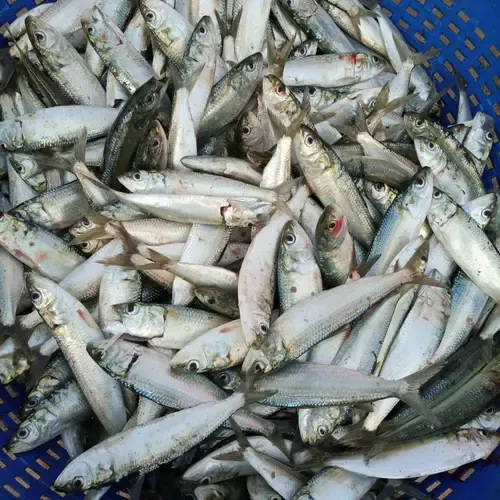
Traders across several Northeastern states import various fish species from Bangladesh, and illegal trade persists in certain areas due to insufficient local production to satisfy consumer demand.
Notably, Hilsa (Ilish) fish from Bangladesh has a substantial year-round demand in India, particularly in West Bengal, Assam, Tripura, Meghalaya, and Odisha, where it is highly regarded as a premium, culturally significant delicacy.
Four northeastern states—Tripura (856 km), Meghalaya (443 km), Mizoram (318 km), and Assam (263 km)—share a total international border of 1,880 km with Bangladesh.
Point of View
It's essential to recognize the significance of Meghalaya's recent decision to ban illegal fish imports from Bangladesh. This action not only reinforces legal frameworks but also emphasizes the need for sustainable practices in trade and environmental conservation. The government’s proactive stance is commendable and sets a precedent for other states facing similar challenges.
NationPress
3 Oct 2026
Frequently Asked Questions
What is the reason behind Meghalaya's ban on fish imports?
The ban aims to curb the illegal trade of fish from Bangladesh, which poses risks to public health and local ecosystems.
What legal actions will be taken against violators?
Individuals violating the order will face penalties under Section 223 of the Bharatiya Nyaya Sanhita, 2023, and other relevant laws.
How does this ban affect local fish traders?
This ban protects legitimate fish traders by reducing unfair competition from illegal imports, ensuring a healthier market.
Which fish species are primarily affected by this ban?
The ban notably impacts the trade of Hilsa (Ilish) fish, which is highly sought after in several Indian states.
What are the implications for public health?
The order aims to mitigate health risks associated with consuming unregulated fish, which may carry diseases.