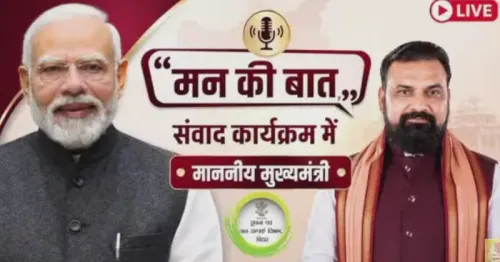
PM Modi's 136th Mann Ki Baat: BJP leaders, CMs join nationwide listening drive
Synopsis
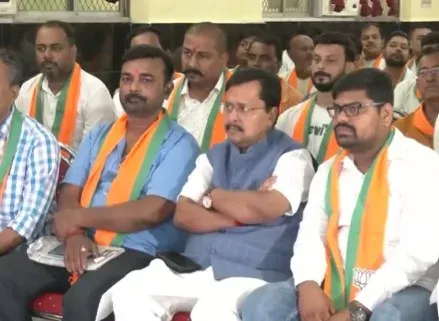
The 136th Mann Ki Baat wasn't just a radio address — it doubled as a nationwide BJP mobilisation exercise, with chief ministers, veterans, and party workers gathering simultaneously across states. Modi's spotlight on a Sitamarhi bench-making initiative — turning 40 kg of single-use plastic into public furniture — gave the episode a concrete, shareable policy hook beyond the usual inspirational fare.
Key Takeaways
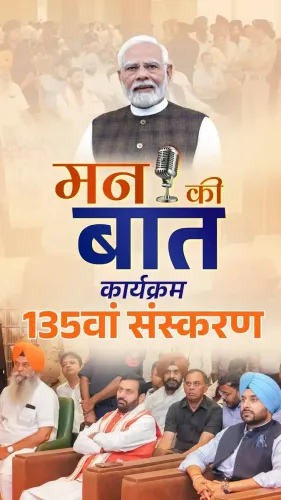
PM Narendra Modi delivered the 136th edition of Mann Ki Baat on 26 July .
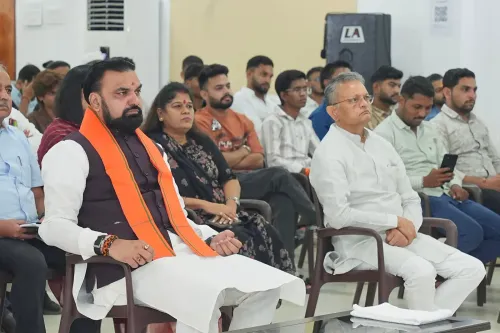
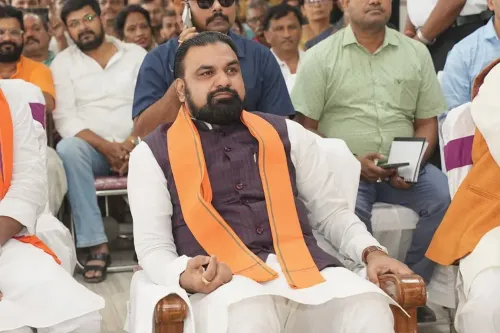
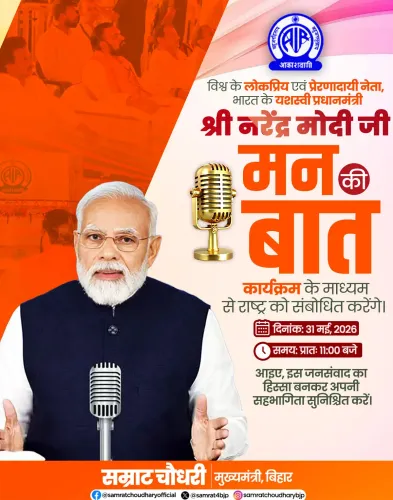
BJP National President Nitin Nabin and Bihar CM Samrat Choudhary joined listening events in Patna .
Rajasthan CM Bhajanlal Sharma tuned in at Pratap Nagar Community Centre ; Union MoS Murlidhar Mohol attended a public event in Pune .
Modi highlighted a Sitamarhi, Bihar initiative where 40 kg of single-use plastic is recycled into one public bench.
The episode coincided with Kargil Vijay Diwas , with veterans joining listening events in Lucknow .
Prime Minister Narendra Modi on Sunday, 26 July delivered the 136th edition of his monthly radio programme 'Mann Ki Baat', with BJP leaders, chief ministers, retired armed forces personnel, and party workers joining collective listening events across the country. The episode, broadcast nationally, centred on environmental sustainability and the growing menace of plastic pollution.
Key Gatherings Across States
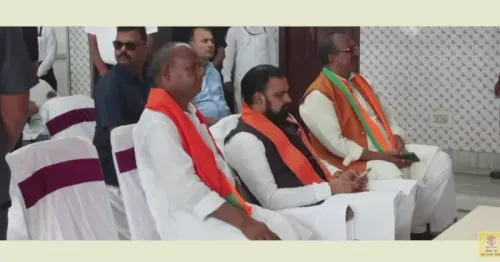
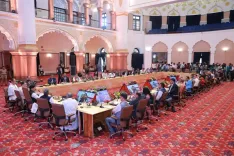
In Patna, BJP National President Nitin Nabin listened to the programme alongside party leaders and workers. Bihar Chief Minister Samrat Choudhary also tuned in from the state capital. In Lucknow, a gathering that included former Army officers and retired soldiers listened to the address during an event organised to mark Kargil Vijay Diwas.
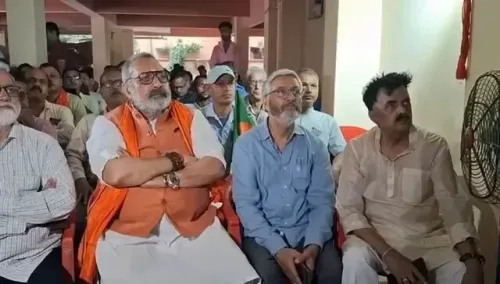
Rajasthan Chief Minister Bhajanlal Sharma joined citizens at the Pratap Nagar Community Centre for the broadcast. In Pune, Union Minister of State Murlidhar Mohol attended a public listening programme. Haryana Cabinet Minister Anil Vij joined BJP workers at the Jain Soda Water factory in Ambala Cantonment to hear the Prime Minister's address.
What Modi Said: Plastic Pollution and Waste to Wealth
A central theme of the 136th Mann Ki Baat was tackling plastic pollution through community-led innovation. Modi highlighted an initiative from Sitamarhi, Bihar, where recycled single-use plastic is being used to manufacture public benches. He said: 'My dear fellow countrymen, we all know that plastic pollution has become a major environmental challenge across the world today. Single-use plastic waste continues to harm nature for many years, which is why its proper disposal is extremely important. An excellent example of ‘Waste to Wealth’ has emerged from Sitamarhi, Bihar. Here, recycled plastic waste is being used to manufacture attractive benches. Around 40 kilograms of single-use plastic are used to make one bench…'
Modi described such grassroots efforts as proof that waste can be converted into functional public infrastructure while simultaneously advancing environmental conservation goals.
Mann Ki Baat as a National Platform
Now in its 136th episode, Mann Ki Baat has evolved into a consistent vehicle for spotlighting community-driven innovation, social campaigns, and citizen achievements. The programme's format — a direct, radio-first address to citizens — distinguishes it from conventional political communication. The Kargil Vijay Diwas timing of this episode added a layer of national significance, with veterans and serving personnel participating in listening events alongside civilian gatherings.
What to Watch
The BJP's nationwide mobilisation around Mann Ki Baat listening events signals continued organisational outreach ahead of state electoral cycles. The plastic recycling narrative from Sitamarhi is likely to feed into broader government messaging around the Swachh Bharat mission and single-use plastic phase-out commitments India has made internationally.
Point of View
But the format risks becoming a ritual rather than a channel of genuine communication. The Sitamarhi plastic-bench story is compelling precisely because it is hyper-local and verifiable; more such grounded examples would sharpen the programme's credibility. The coordinated nationwide listening events, however, blur the line between a citizen-facing radio address and a party mobilisation exercise — a tension the BJP has never fully resolved. As India approaches a busy state election calendar, that distinction will matter more.
NationPress
24 Oct 2026
Frequently Asked Questions
What was the theme of PM Modi's 136th Mann Ki Baat?
The 136th Mann Ki Baat, broadcast on 26 July, focused on environmental sustainability and plastic pollution. Modi spotlighted a Sitamarhi, Bihar initiative where 40 kg of single-use plastic waste is recycled to manufacture one public bench, calling it a model of 'Waste to Wealth'.
Who attended Mann Ki Baat listening events on 26 July?
BJP National President Nitin Nabin and Bihar CM Samrat Choudhary joined events in Patna. Rajasthan CM Bhajanlal Sharma listened at Pratap Nagar Community Centre, Union MoS Murlidhar Mohol attended in Pune, and Haryana Cabinet Minister Anil Vij joined workers in Ambala Cantonment.
Why was the 136th Mann Ki Baat significant for Kargil Vijay Diwas?
The episode coincided with Kargil Vijay Diwas, prompting listening events in Lucknow that included former Army officers and retired soldiers. The overlap gave the broadcast added national resonance beyond its usual civic themes.
What is Mann Ki Baat and how often does it air?
Mann Ki Baat is Prime Minister Narendra Modi's monthly radio programme, broadcast on All India Radio. It features stories of citizen achievement, social campaigns, and national issues, and has now completed 136 episodes since its launch in 2014.
What did Modi say about plastic pollution in the 136th episode?
Modi called plastic pollution a major global environmental challenge and urged citizens to pursue innovative recycling. He cited Sitamarhi, Bihar, where recycled single-use plastic is used to make benches — with roughly 40 kg of plastic going into each bench — as an example of waste being converted into useful public infrastructure.