Vidisha student protests put school transport, education access in MP spotlight
Synopsis
Student protests are no longer isolated incidents in Madhya Pradesh — they form a pattern. From Vidisha to Ujjain, schoolchildren are pushing back against rising bus fares and the state's school consolidation drive. The Sironj administration's climbdown on fares shows the protests are working, but the deeper question of whether merging rural schools serves or sidelines the children it claims to help remains unanswered.
Key Takeaways
School students staged two separate protests in Vidisha, Madhya Pradesh , on 25 August over transport costs and education access.
In Sironj , private bus operators proposed raising student concessional fares from ₹10 to ₹25 ; the administration retained the fare at ₹10 after protests.
Congress president Jitu Patwari demanded a fare rollback and resolution of student grievances, noting unrest even in Budhni , linked to Shivraj Singh Chouhan .
The School Bachao Sangharsh Samiti opposes merging smaller schools with Sandipani and CM Rise campuses, citing longer travel distances for rural students.
Last week, hundreds of girls protested in Ujjain — home district of Chief Minister Mohan Yadav — against similar school merger proposals.
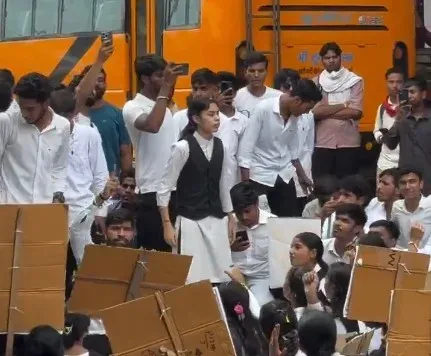
School students staged two separate protests in Vidisha, Madhya Pradesh, on Tuesday, 25 August, over school transport costs and education access, adding to a growing wave of demonstrations by schoolchildren across the state in recent weeks. The protests have brought concerns over affordability and accessibility of education — particularly for students from rural and economically weaker families — into sharp focus.
The Sironj Bus Fare Dispute
In Sironj, also in Vidisha district, private bus operators had proposed raising the concessional student fare from ₹10 to ₹25. A group of schoolgirls from a government higher secondary school took to the streets against the proposed hike. Following their demonstration, the district administration intervened and retained the fare at ₹10, a partial but immediate victory for the protesters.
Political Response
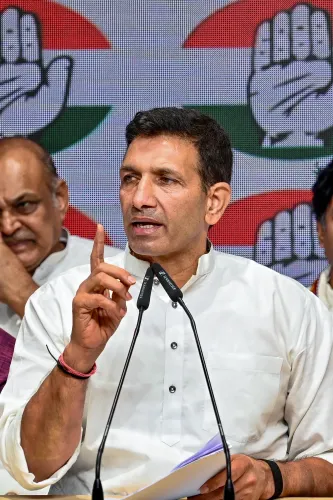
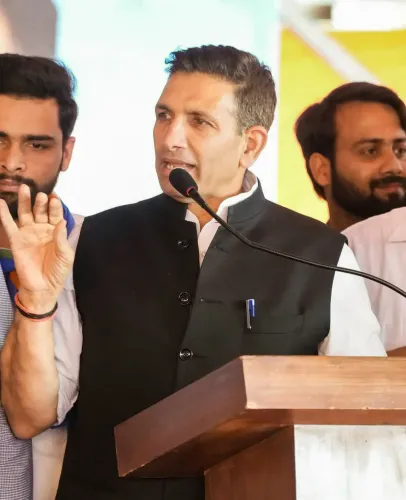
Madhya Pradesh Congress president Jitu Patwari reacted sharply to the protests, noting that students were being compelled to demonstrate even in Budhni constituency — a region closely associated with former Chief Minister and Union Agriculture Minister Shivraj Singh Chouhan. Patwari argued that the sudden increase in bus fares was adversely affecting the education of children from poor and middle-class families, and demanded that the government roll back the hike and address students' broader grievances.
School Merger Concerns Deepen the Unrest
Beyond transport costs, students and activists have opposed the proposed merger of smaller government schools with larger Sandipani and CM Rise campuses. Members of the School Bachao Sangharsh Samiti argued that closing neighbourhood schools would force children — particularly those from rural areas — to travel significantly longer distances to attend classes, effectively making education less accessible rather than more so.
Students in Bherunda have also raised concerns about bus fares and access to educational facilities, while protests in other parts of the state have focused on demands for roads and basic school infrastructure.
Pattern Across Madhya Pradesh
Last week, hundreds of girls demonstrated outside the district collector's office against the proposed shifting or merger of several smaller government schools with a larger institution in the Daudkhedi area of Ujjain — the home district of Chief Minister Mohan Yadav. This is at least the third such wave of student-led demonstrations in the state in recent weeks, suggesting that the twin issues of transport affordability and school consolidation have become a sustained flashpoint. Notably, the protests span both urban-adjacent towns and rural pockets, indicating that the concerns are systemic rather than localised.
With the academic year well underway, pressure is mounting on the state government to issue a clear policy response — both on concessional fares and the pace of school mergers — before the unrest widens further.
Point of View
But it also sets a precedent: protest and the policy reverses, at least locally. What the state has not addressed is the structural contradiction at the heart of its school consolidation drive — CM Rise campuses are designed to improve quality, but quality is irrelevant if children cannot afford or physically reach the school. The protests in Ujjain, Chouhan's political territory, and now Vidisha signal that this is no longer a fringe grievance. The government's silence on a statewide policy response is itself a statement.
NationPress
10 Oct 2026
Frequently Asked Questions
Why are students protesting in Vidisha, Madhya Pradesh?
Students in Vidisha staged two protests on 25 August over rising school bus fares and the proposed merger of smaller government schools with larger Sandipani and CM Rise campuses. The demonstrations are part of a broader wave of student-led protests across Madhya Pradesh in recent weeks.
What happened to the bus fare hike in Sironj?
Private bus operators in Sironj had proposed raising the concessional student fare from ₹10 to ₹25. After schoolgirls from a government higher secondary school protested, the district administration intervened and kept the fare at ₹10.
What is the School Bachao Sangharsh Samiti demanding?
The School Bachao Sangharsh Samiti opposes the merger of smaller neighbourhood government schools with larger Sandipani and CM Rise campuses. Members argue that consolidation forces rural children to travel longer distances, effectively reducing access to education.
How has the Congress responded to the student protests?
Madhya Pradesh Congress president Jitu Patwari demanded that the government roll back bus fare hikes and address students' grievances. He highlighted that protests have spread even to Budhni constituency, closely associated with former Chief Minister Shivraj Singh Chouhan.
Where else have student protests taken place in Madhya Pradesh?
Beyond Vidisha, protests have been reported in Bherunda over bus fares and facilities, and in Ujjain — Chief Minister Mohan Yadav's home district — where hundreds of girls demonstrated against school merger proposals in the Daudkhedi area last week.