Muzaffarpur digital arrest scam busted: Three held after ₹17 lakh fraud

Synopsis
A 73-year-old in Bihar lost ₹17 lakh to fraudsters who posed as CBI officers and threatened him with a 'digital arrest' over video call. Muzaffarpur Cyber Police have now arrested three men, but the recovered bank accounts are linked to fraud cases across India — signalling a much larger inter-state racket still being unravelled.
Key Takeaways
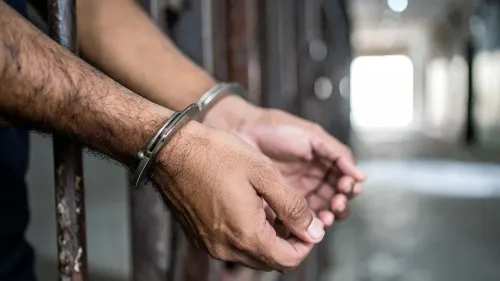
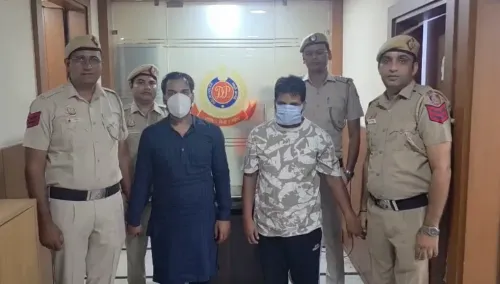
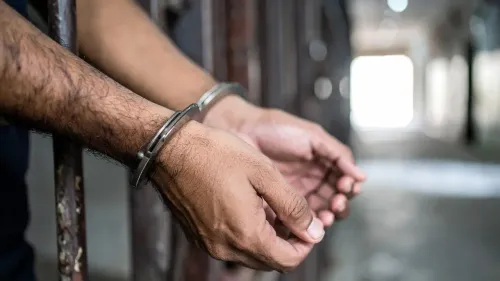
Muzaffarpur Cyber Police arrested three accused — Brajesh Kumar , Krishna Kumar , and Vikram Kumar — in connection with a digital arrest scam .
Victim Bhola Prasad Mahto (73) of Mushahari was defrauded of ₹17 lakh via RTGS on 10 April 2026 .
Fraudsters posed as police and CBI officers , using video calls to threaten the victim with a fake "digital arrest".
Recovered bank accounts are linked to multiple cyber fraud cases across India , indicating an inter-state network.
An SIT has been formed under Case No.
58/26 ; raids are ongoing to nab absconding members.
Citizens are advised to call the national cybercrime helpline 1930 if targeted by such scams.
The Cyber Police Station in Muzaffarpur, Bihar, has dismantled an organised gang behind a "digital arrest" scam, arresting three accused after a 73-year-old senior citizen was defrauded of ₹17 lakh through intimidation and psychological pressure. The breakthrough, announced on 1 May 2026, follows a complaint filed by the victim, Bhola Prasad Mahto of Mushahari, who was targeted beginning 5 April 2026.
How the Scam Unfolded
According to police, the fraudsters made multiple video calls to Bhola Prasad Mahto (73), posing as police officers and Central Bureau of Investigation (CBI) officials. They allegedly threatened him with a "digital arrest" — a tactic in which victims are told they are under virtual legal custody — creating sustained fear and mental distress over several days.
Under mounting psychological pressure, Mahto transferred ₹17 lakh via RTGS on 10 April 2026 to a bank account held by one Brajesh Kumar at a Federal Bank branch in Bhagwanpur. He realised he had been duped on 13 April 2026 and promptly reported the matter to his bank and the national cybercrime helpline (1930).
The Investigation and Arrests
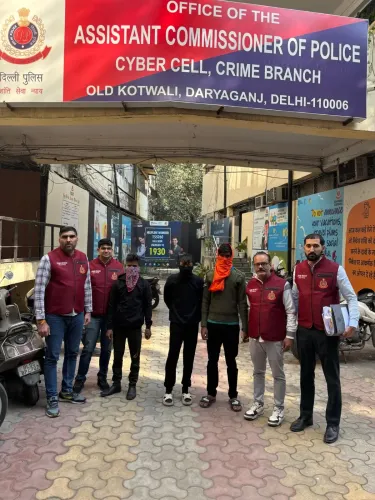
Police registered Case No. 58/26 and constituted a Special Investigation Team (SIT) under the direction of senior officials. Through technical surveillance, call detail analysis, and scrutiny of bank transactions, investigators traced and arrested three accused: Brajesh Kumar, Krishna Kumar, and Vikram Kumar.
During the operation, authorities recovered mobile phones, chequebooks, passbooks, and debit cards from the accused. Preliminary investigation revealed that the bank accounts used in this case were linked to multiple cyber fraud incidents across the country, indicating a far wider criminal network than initially suspected.
Scale of the Racket
Police suspect the gang operates at an inter-state level, targeting victims across India using evolving fraud techniques. The "digital arrest" scam has emerged as one of the most reported cyber fraud methods in recent months, with the Ministry of Home Affairs and the Reserve Bank of India (RBI) both previously issuing public warnings about it. This is notably not an isolated Bihar incident — similar cases have been reported in Uttar Pradesh, Rajasthan, and Delhi, pointing to a coordinated national-level operation.
Continuous raids are underway to apprehend other members of the gang who remain absconding.
Police Advisory to Citizens
Authorities have urged citizens to remain alert and not trust unsolicited calls or video calls from individuals claiming to be police, CBI, or other government officials. Victims are advised to immediately dial the national cybercrime helpline 1930 or report incidents at cybercrime.gov.in. With digital fraud tactics growing more sophisticated, law enforcement agencies stress that no legitimate government agency conducts arrests through video calls.
Point of View
But it is unlikely to be the last. The 'digital arrest' scam has proliferated precisely because it exploits two vulnerabilities unique to India's elderly population: institutional fear of law enforcement and limited digital literacy. The inter-state bank account links recovered here are the more significant detail — they suggest a centralised fraud infrastructure that local SITs are structurally ill-equipped to dismantle alone. A coordinated response from the Centre, involving the Indian Cyber Crime Coordination Centre (I4C) and state police, is overdue. Arresting three mules does not break the network; tracing the masterminds upstream does.
NationPress
19 Sept 2026
Frequently Asked Questions
What is the digital arrest scam?
The digital arrest scam involves fraudsters posing as police, CBI, or other government officials who contact victims via video call and falsely claim they are under virtual legal custody — a so-called 'digital arrest'. Victims are then pressured into transferring money to avoid fabricated legal consequences. No legitimate government agency in India conducts arrests through video calls.
How much money did the victim lose in the Muzaffarpur digital arrest case?
The victim, Bhola Prasad Mahto (73), a resident of Mushahari in Bihar, lost ₹17 lakh, which he transferred via RTGS on 10 April 2026 after being threatened over video calls by fraudsters posing as police and CBI officers.
Who has been arrested in the Muzaffarpur cyber fraud case?
Three accused — Brajesh Kumar, Krishna Kumar, and Vikram Kumar — have been arrested by the Muzaffarpur Cyber Police Station. Mobile phones, chequebooks, passbooks, and debit cards were recovered from them during the operation.
Is the digital arrest scam limited to Bihar?
No. Preliminary investigation revealed that the bank accounts used in this case are linked to multiple cyber fraud incidents across India, and police suspect the gang operates at an inter-state level. Similar scams have been reported in Uttar Pradesh, Rajasthan, and Delhi.
What should you do if you receive a digital arrest threat?
Do not transfer any money. Immediately hang up and report the incident to the national cybercrime helpline by dialling 1930 or visiting cybercrime.gov.in. Inform your bank if any transfer has already been made. Remember that no government agency, including the CBI or police, conducts arrests via video call.