NEET paper leak: BJP, Congress trade charges in MP as protests rage
Synopsis
With NEET protests spreading and the CBI chargesheet imminent, both BJP and Congress are fighting to own the student anger — BJP pinning blame on Congress for blocking debate, Congress demanding the NTA chief's head. The political battle in Madhya Pradesh on 23 July captures how a systemic examination crisis has become a full-blown electoral flashpoint.
Key Takeaways
BJP president Hemant Khandelwal accused Rahul Gandhi of misleading students and avoiding a Parliament debate on the NEET paper leak on 23 July .
The Modi government has invoked the Public Examinations (Prevention of Unfair Means) Act, 2024 to prosecute those accused in the leak.
The CBI has reportedly nearly completed its investigation and is expected to file a chargesheet soon.
Congress leader Jaivardhan Singh demanded the removal of NTA Chairman Pradeep Joshi , citing repeated controversies.
Student group 'Chhatron Ki Goonj' claims 25 students have died by suicide due to examination-related stress, according to Congress.
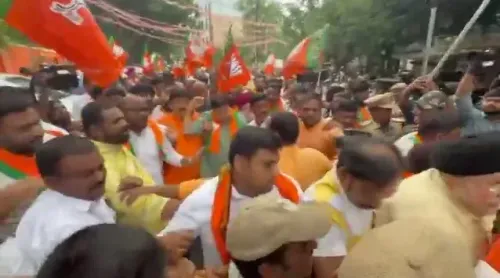
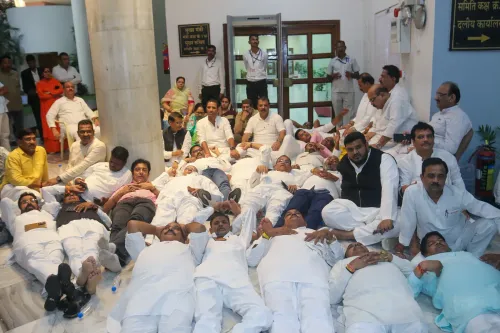
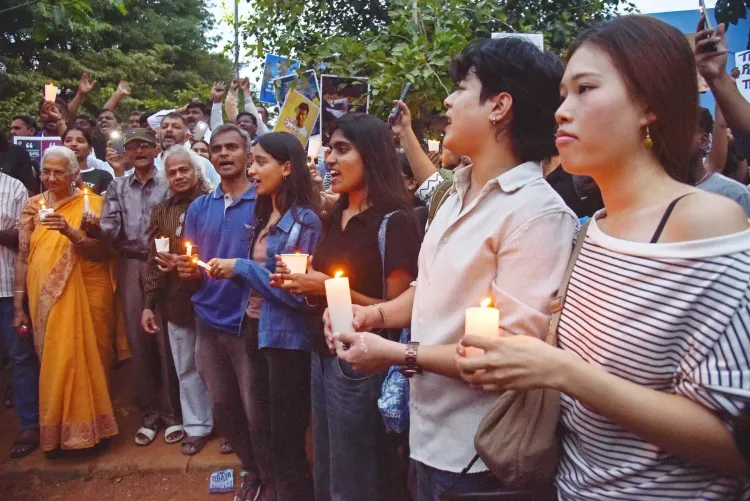
As protests over the alleged NEET paper leak continued across New Delhi and several states including Madhya Pradesh, the Bharatiya Janata Party (BJP) and the Indian National Congress on Thursday, 23 July escalated their political confrontation, trading sharp accusations over accountability and the integrity of the examination system.
BJP's Charge: Congress Dodging Parliament Debate
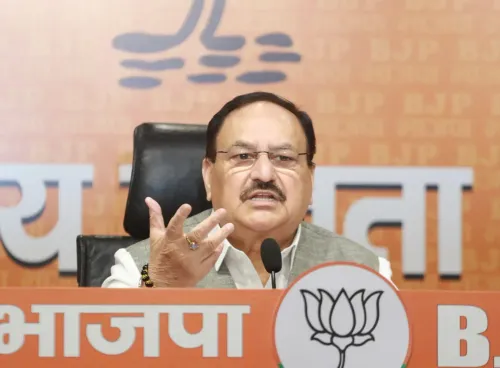
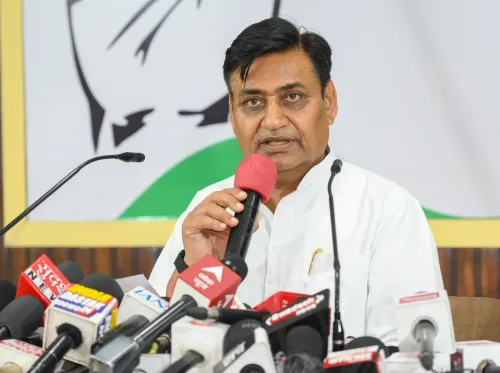
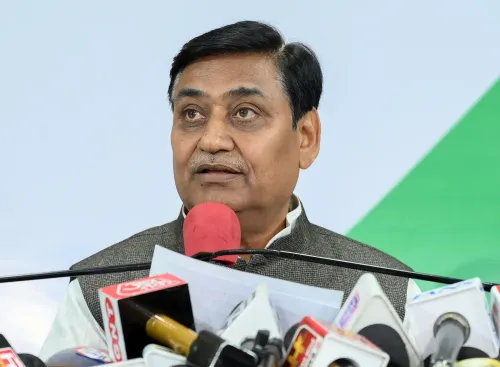
Addressing a press conference in Datia, Madhya Pradesh BJP president Hemant Khandelwal accused Congress leader and Leader of the Opposition in Lok Sabha Rahul Gandhi of misleading students while sidestepping a parliamentary debate. 'Rahul Gandhi is misleading students instead of participating in a meaningful discussion on the NEET paper leak in Parliament. The Centre is ready to discuss the issue under any rule and for as long as the Opposition wants, but the Congress is avoiding the debate,' Khandelwal said.
Khandelwal further stated that the Prime Minister Narendra Modi government had decided to ensure speedy trials of paper leak cases through Fast Track Courts, and that accused individuals would be prosecuted under the Public Examinations (Prevention of Unfair Means) Act, 2024. He also claimed that the Central Bureau of Investigation (CBI) had nearly completed its investigation and would soon file a chargesheet against those arrested. 'The Prime Minister has made students' interests the top priority. Anyone who plays with the future of the country's youth will not be spared,' he added.
Congress Demands NTA Chairman's Exit
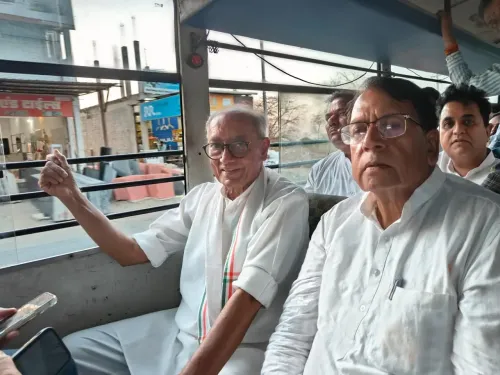
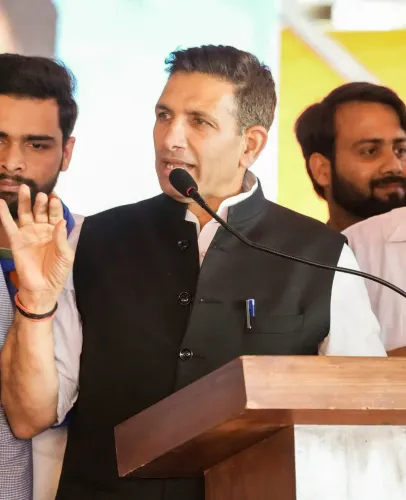
Congress leader and former Madhya Pradesh minister Jaivardhan Singh countered from Jabalpur, questioning why National Testing Agency (NTA) Chairman Pradeep Joshi continued in office despite repeated controversies surrounding NEET. 'The BJP government must explain why the NTA Chairman continues in office despite repeated controversies over NEET. Students deserve accountability and a transparent examination system,' Singh said.
Singh alleged that recurring irregularities in recruitment and entrance examinations had forced lakhs of aspirants — particularly from small towns and rural areas — to spend years preparing for government jobs while repeatedly paying examination fees. Citing student organisation 'Chhatron Ki Goonj', he claimed that 25 students had died by suicide due to stress linked to the examination system, and termed the existing admission and recruitment process a 'suicidal system.'
Wider Context: A Crisis Gripping the Examination System
The NEET controversy has snowballed into one of the most politically charged education crises in recent years. Protests have spread to multiple cities, with student groups demanding cancellation of the exam, a re-test, and structural reform of the NTA. This comes amid broader concerns about the integrity of public examinations in India, with paper leaks reported in several state-level tests as well.
Notably, the Centre's move to invoke the Public Examinations (Prevention of Unfair Means) Act, 2024 — a law enacted specifically to address such malpractice — signals an attempt to demonstrate legislative resolve. However, critics argue that enforcement, not legislation, has been the persistent gap.
What Happens Next
The CBI investigation is reportedly in its final stages, with a chargesheet expected shortly. Parliamentary pressure is likely to intensify, with the Opposition pushing for a floor debate and the ruling coalition insisting it is ready for one. The NTA's future structure and leadership remain under scrutiny, and any government decision on Pradeep Joshi's continuation could become a flashpoint in the days ahead.
Point of View
And personnel accountability has been conspicuously absent. Congress's demand for Pradeep Joshi's removal is politically convenient but insufficient without a concrete reform blueprint. The 25 student suicide figure, attributed to a student organisation rather than official data, deserves independent verification — but it also points to a human cost that neither party's press conference adequately confronted.
NationPress
22 Oct 2026
Frequently Asked Questions
What is the NEET paper leak controversy?
The NEET paper leak refers to allegations that question papers for the National Eligibility cum Entrance Test (NEET), India's medical college entrance exam, were leaked before the examination, compromising its integrity. The controversy has triggered nationwide protests and a CBI investigation.
What action has the government taken on the NEET paper leak?
The Centre has directed that accused individuals be prosecuted under the Public Examinations (Prevention of Unfair Means) Act, 2024, and that cases be heard through Fast Track Courts. The CBI is reportedly close to filing a chargesheet against those arrested in connection with the leak.
Why is Congress demanding the removal of NTA Chairman Pradeep Joshi?
Congress leader Jaivardhan Singh argued that Pradeep Joshi's continuation as NTA Chairman despite repeated controversies over NEET reflects a lack of accountability. The party contends students deserve transparent leadership at the apex examination body.
Who is affected by the NEET paper leak issue?
Lakhs of medical aspirants across India are directly affected, particularly students from small towns and rural areas who invest years and significant financial resources in NEET preparation. The controversy has raised broader concerns about the fairness of all centrally conducted public examinations.
What is the Public Examinations (Prevention of Unfair Means) Act, 2024?
It is a law enacted by the Centre specifically to criminalise malpractice in public examinations, including paper leaks. The government has said those accused in the NEET paper leak case will be prosecuted under this Act, with cases fast-tracked through special courts.