NIA charges three in ISIS bioterror plot targeting public spaces with ricin
Synopsis
Three men, directed by foreign ISIS handlers, allegedly plotted to poison crowds in public spaces using ricin — a toxin with no antidote — while one converted his Hyderabad home into a secret lab. The NIA's charge sheet reveals one of India's most alarming ISIS-linked bioterror conspiracies, spanning four states and targeting civilian spaces.
Key Takeaways
The NIA filed a charge sheet on 5 May 2025 against three men for an ISIS-linked bioterror plot targeting Indian public spaces.
The accused planned to use ricin , a deadly toxin derived from castor seeds and listed under the Chemical Weapons Convention .
Main accused Syed Ahmed Mohiuddin of Hyderabad allegedly converted his home into a secret ricin laboratory .
Co-accused Azad and Mohammad Suhel of Uttar Pradesh managed arms logistics, funds, and recruitment across multiple states.
The Gujarat ATS made initial arrests in November 2025 ; the NIA took over in January 2026 .
The case is being heard before the NIA Special Court in Ahmedabad under UAPA , Bharatiya Nyaya Sanhita , and the Arms Act .
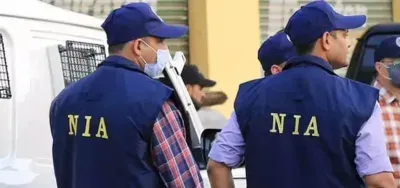
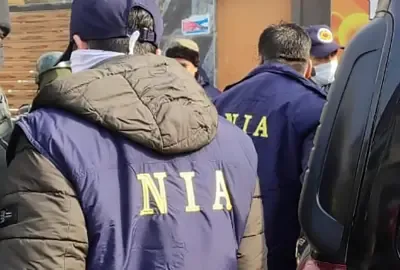
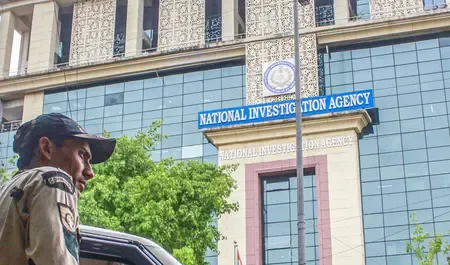
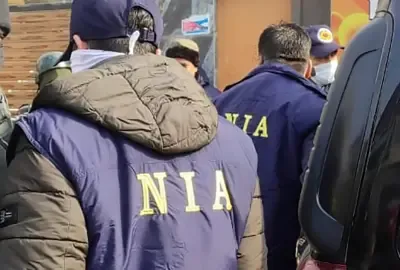
The National Investigation Agency (NIA) on Tuesday, 5 May 2025, filed a charge sheet against three men accused of plotting a bioterror attack linked to the banned terror organisation ISIS, targeting public spaces across India with ricin — a deadly biological toxin derived from castor seeds. The case, which originated with arrests by the Gujarat Anti-Terrorist Squad (ATS) in November 2025, has been filed before the NIA Special Court in Ahmedabad.
The Accused and the Charges
The three men charge-sheeted are Syed Ahmed Mohiuddin of Hyderabad, and co-accused Azad and Mohammad Suhel, both from Uttar Pradesh. They have been charged under the Unlawful Activities (Prevention) Act (UAPA), relevant provisions of the Bharatiya Nyaya Sanhita, and the Arms Act. According to investigators, the plot aimed at the mass poisoning of people in public spaces using ricin, which is listed under Schedule I of the Chemical Weapons Convention.
How the Plot Was Uncovered
The case broke open in November 2025 when the Gujarat ATS arrested Mohiuddin at a toll plaza. He was found carrying illegal weapons, four litres of castor oil, and other incriminating materials. The same day, the ATS arrested Azad and Suhel, who had allegedly collected money and prohibited weapons from a dead-drop site in Hanumangarh, Rajasthan, and delivered them to Chhatral, Gujarat for Mohiuddin. When the NIA took over the case in January 2026, it uncovered a far deeper conspiracy with direct links to foreign-based ISIS handlers.
The ISIS Network and Roles
Investigators allege that Mohiuddin had been promised the position of ISIS Amir of South Asia by his foreign handler, and had converted his Hyderabad residence into a clandestine laboratory to prepare ricin from castor seeds. Suhel reportedly served as a critical link between the overseas handler and the other accused — coordinating recruitment, distributing funds, and preparing ISIS flags while recording the Bay'ah, or oath of allegiance. Azad and Suhel are also accused of maintaining contact with handlers, conducting reconnaissance, and managing illegal arms consignments.
Scale and Significance of the Threat
Ricin is considered one of the most toxic naturally occurring substances, with no known antidote. Its use in a mass-poisoning attempt in crowded public spaces, as allegedly planned, could have resulted in large-scale casualties. This is among the first ISIS-linked bioterror cases to be charge-sheeted in India, underscoring a documented shift in the terror group's operational strategy toward unconventional weapons. Notably, the conspiracy involved coordinated logistics spanning at least three states — Telangana, Uttar Pradesh, Rajasthan, and Gujarat.
Investigation Ongoing
The NIA has stated that its investigation continues, with efforts underway to trace the foreign-based handlers and identify other individuals involved in the network. The charge sheet, according to the agency, establishes a clear chain of command linking the accused to ISIS's international structure. The case is being closely watched by security agencies as a benchmark for how domestic sleeper cells are activated by overseas handlers using digital and financial channels.
Point of View
Dead-drop arms transfers, and a handler-promised 'Amir of South Asia' title suggest a level of organisational sophistication that goes beyond lone-wolf radicalisation. What is particularly striking is that the plot was foiled not by intelligence intercepts but by a routine toll-plaza check — raising uncomfortable questions about whether India's counter-terror architecture is equipped to detect bioterror preparation before it reaches the execution stage.
NationPress
19 Sept 2026
Frequently Asked Questions
What was the ISIS bioterror plot uncovered by the NIA?
The NIA charge sheet details a conspiracy by three ISIS-linked men to carry out mass poisoning of people in Indian public spaces using ricin, a deadly biological toxin derived from castor seeds. The main accused, Syed Ahmed Mohiuddin of Hyderabad, allegedly ran a secret ricin laboratory at his residence under the direction of foreign ISIS handlers.
Who are the three men charged by the NIA in the bioterror case?
The three accused are Syed Ahmed Mohiuddin from Hyderabad, and Azad and Mohammad Suhel from Uttar Pradesh. They have been charge-sheeted before the NIA Special Court in Ahmedabad under UAPA, the Bharatiya Nyaya Sanhita, and the Arms Act.
What is ricin and why is it dangerous?
Ricin is a highly toxic substance derived from castor seeds and is listed under Schedule I of the Chemical Weapons Convention. It has no known antidote, making even small quantities potentially lethal, and its use in crowded public spaces could cause mass casualties.
How was the ISIS bioterror plot discovered?
The case came to light in November 2025 when the Gujarat ATS arrested Syed Ahmed Mohiuddin at a toll plaza, where he was found with illegal weapons and four litres of castor oil. The same day, co-accused Azad and Suhel were also arrested. The NIA took over the investigation in January 2026 and uncovered the broader ISIS network.
What is the current status of the NIA investigation?
The NIA has filed the charge sheet before the NIA Special Court in Ahmedabad and continues to investigate to trace the foreign-based ISIS handlers and identify other individuals involved in the conspiracy.