Odisha floods: 13.44 lakh affected across 7 districts, rescue ops intensify
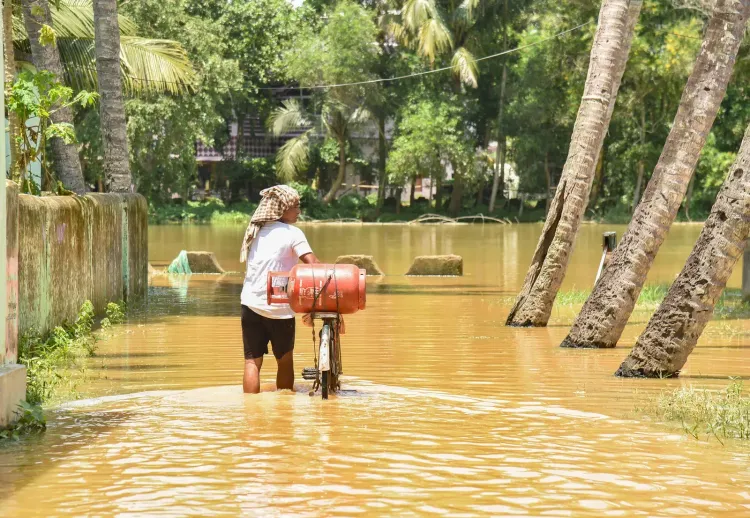
Synopsis
More than 13.44 lakh people remain marooned across seven Odisha districts, but there is a sliver of relief — major rivers are now falling below danger levels. With 126 rescue teams, 210 boats, and 93 medical units in the field, the state's response machinery is at full stretch, even as the humanitarian toll continues to mount.
Key Takeaways
13,44,698 people across 1,703 villages in seven Odisha districts have been impacted by the ongoing floods.
Over 4,87,350 people have been evacuated and housed in 880 relief shelters .
126 response teams — including 8 NDRF and 32 ODRAF units — are deployed, supported by 210 boats .
4,95,833 people have received cooked meals through free kitchens operational across affected areas.
150 pregnant women shifted to health facilities; 44 institutional deliveries conducted under emergency conditions.
Major rivers are now below danger level and showing a falling trend, as per the SEOC .
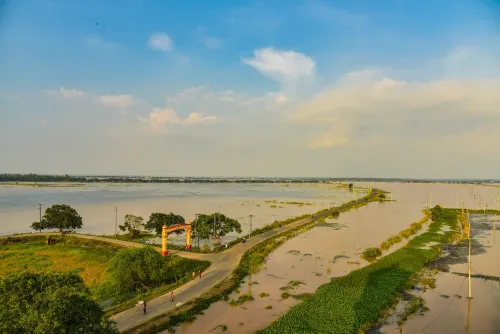
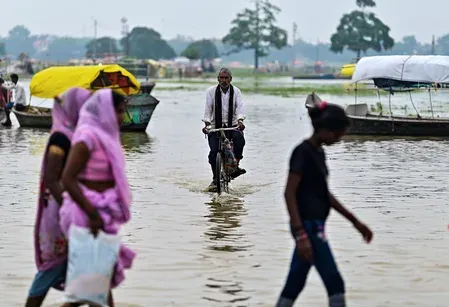
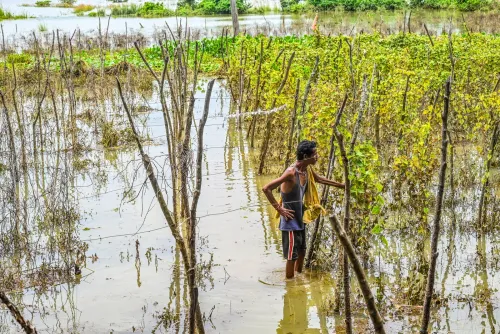
The flood situation in Odisha remained grim on 21 August, with 13,44,698 people across 1,703 villages in seven districts still marooned by floodwaters, according to the State Emergency Operation Centre (SEOC). The affected districts — Baleshwar, Mayurbhanj, Bhadrak, Jajpur, Kendujhar, Kendrapada, and Sundargarh — span 505 gram panchayats, 76 blocks, and 12 Urban Local Bodies.
Scale of the Crisis
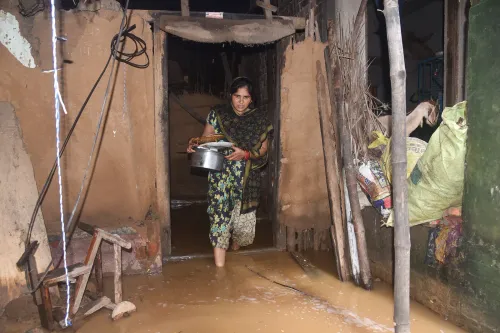
The numbers paint a stark picture of one of Odisha's more severe flood episodes in recent years. Over 4,87,350 people have been evacuated and sheltered across 880 relief camps. Free kitchens remain operational, with 4,95,833 beneficiaries provided cooked meals so far. An additional 4,765 polythene sheets and rolls have been distributed to affected families for immediate shelter needs.
Rescue and Response Operations
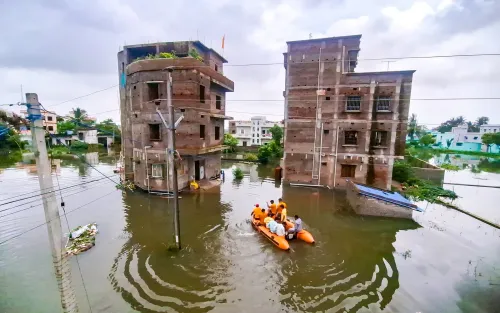
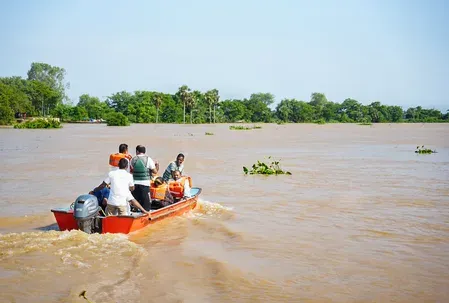
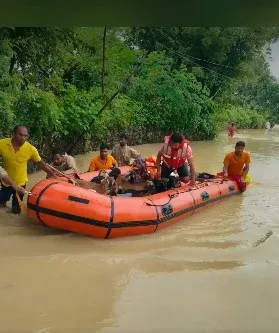
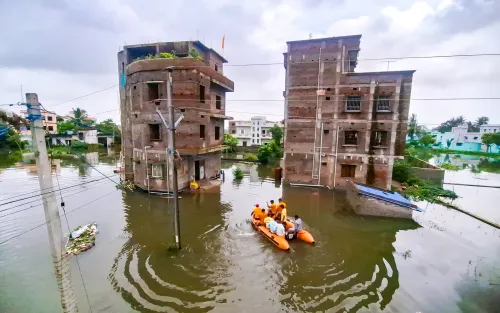
A total of 126 response teams are deployed across the affected districts, comprising 32 ODRAF teams, 8 NDRF teams, 46 Fire and Emergency Services teams, and 40 Police, Civil Defence, and local teams. 210 boats and specialised equipment have been pressed into service. Rescue teams have so far reached 492 cut-off villages, and 124 emergency medical evacuations have been carried out.
Health Services on Priority
93 medical teams have been deployed and 159 medical camps conducted, providing care to 11,549 people. Special attention is being given to maternal healthcare — 150 pregnant women have been shifted to health institutions, and 44 institutional deliveries have been conducted under emergency conditions. Adequate stocks of essential medicines, anti-snake venom, ORS, and IV fluids are in place, with no disease outbreak reported as of the latest update.
River Levels and Outlook
The Office of the Special Relief Commissioner (SRC) noted that conditions have been 'comparatively challenging' in Mayurbhanj, Baleshwar, Bhadrak, Jajpur, Kendrapada, and Kendujhar over the past several days. However, officials offered a cautious note of relief: major rivers are now showing a falling trend and are below the danger level. The SEOC and district-level District Emergency Operation Centres (DEOCs) continue to monitor the situation round the clock. With river levels receding, restoration of essential services is expected to accelerate in the coming days.
Point of View
NDRF, free kitchens, medical camps — is clearly better calibrated than a decade ago, and the numbers show it: 492 cut-off villages reached, 124 medical evacuations, zero disease outbreaks. But the scale of displacement (over 13 lakh people, 1,703 villages) raises a harder question: how much of this is a governance success story and how much is a climate exposure story that keeps repeating? With seven districts hit in a single phase, the conversation needs to shift from relief efficiency to upstream flood-plain management and early-warning infrastructure — areas where Odisha, despite its emergency response strengths, has seen slower progress.
NationPress
5 Oct 2026
Frequently Asked Questions
How many people have been affected by the Odisha floods?
A total of 13,44,698 people across 1,703 villages in seven districts of Odisha have been affected by the current phase of flooding, according to the State Emergency Operation Centre. The affected districts are Baleshwar, Mayurbhanj, Bhadrak, Jajpur, Kendujhar, Kendrapada, and Sundargarh.
Which districts in Odisha are worst affected by the floods?
The state government has identified Mayurbhanj, Baleshwar, Bhadrak, Jajpur, Kendrapada, and Kendujhar as the most challenging districts over the past several days. All seven affected districts span 505 gram panchayats, 76 blocks, and 12 Urban Local Bodies.
What rescue and relief operations are underway in Odisha?
126 response teams are deployed, including 32 ODRAF, 8 NDRF, 46 Fire and Emergency Services, and 40 Police and Civil Defence teams. A total of 210 boats have been deployed, rescue teams have reached 492 cut-off villages, and 124 emergency medical evacuations have been carried out.
Are flood conditions in Odisha improving?
Officials report a cautious improvement — major rivers are now showing a falling trend and are below the danger level as of 21 August. However, relief and restoration operations continue round the clock through the SEOC and district-level DEOCs.
What healthcare measures are in place for flood-affected people in Odisha?
93 medical teams have been deployed and 159 medical camps conducted, providing care to 11,549 people. Special focus has been placed on maternal health, with 150 pregnant women shifted to health institutions and 44 institutional deliveries completed. No disease outbreak has been reported so far.