What Do Pakistan-Afghanistan Talks in Istanbul Reveal About Mistrust?
Synopsis
In a dramatic turn of events, peace talks in Istanbul between Pakistan and Afghanistan spiraled into chaos, exposing deep-seated mistrust and conflicting agendas. As both nations grapple with border tensions, the stakes for regional stability have never been higher, raising questions about their diplomatic futures.
Key Takeaways
Diplomatic breakdown exposed by peace talks Rigid positions hindered negotiations Social media amplified distrust Warning from Defence Minister escalated tensions Need for compromises emphasized by analysts
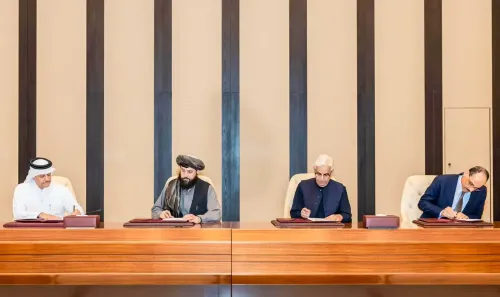
New Delhi, Nov 2 (NationPress) The peace negotiations between Pakistan and Afghanistan in Istanbul aimed at easing tensions along the Durand Line unexpectedly exposed a significant diplomatic failure.
What started as a critical effort to avert further border conflicts and rebuild trust rapidly descended into chaos, mixed signals, and evident frustration among the mediators, as reported by Khamma Press.
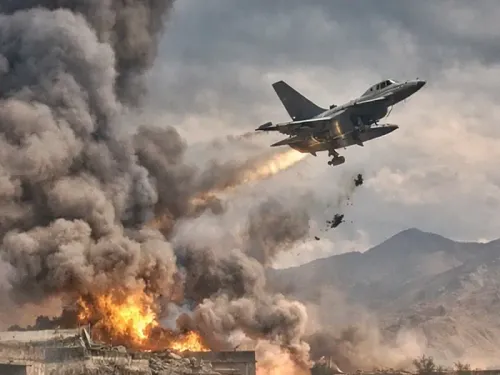
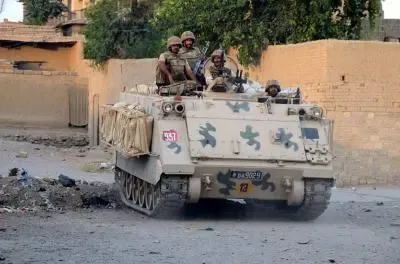
The discussions were prompted by ongoing armed conflicts and escalating concerns about cross-border terrorism.
The delegation from Islamabad insisted on decisive actions from Kabul against the Tehrik-i-Taliban Pakistan (TTP), while Afghanistan demanded written guarantees that Pakistan would cease alleged violations of airspace.
Experts note that both nations came with inflexible positions and unrealistic expectations, leaving little opportunity for compromise.
Social media became a battleground within hours of the session's commencement, with unverified claims and biased narratives exacerbating distrust.
Afghan analysts accused Pakistan of rigidity, while Islamabad accused Kabul of shirking responsibility for terror networks. The lack of verifiable information only heightened tensions, the report stated.
The situation worsened when Pakistan's Defence Minister Khawaja Asif warned that Pakistan could “obliterate” the Taliban government if provoked, a statement that triggered outrage in Afghan media and was perceived as undermining Pakistan's reputation as a stable regional player.
At one critical moment, Pakistan's delegation reportedly agreed to contemplate Afghanistan's security guarantee, but reversed this decision after discussions with Islamabad. This sudden change, as outlined in the Khamma report, embarrassed the Qatari facilitators and intensified doubts about Pakistan's policy coherence and civil-military coordination.
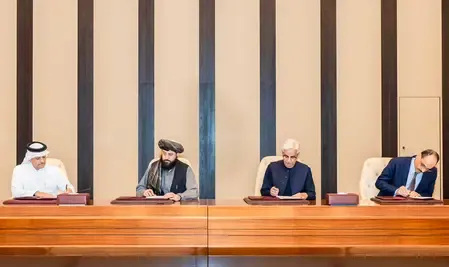
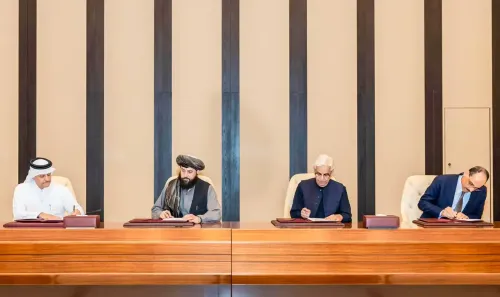
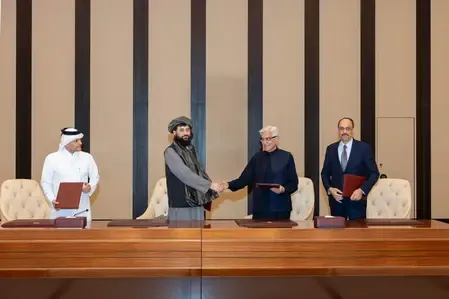
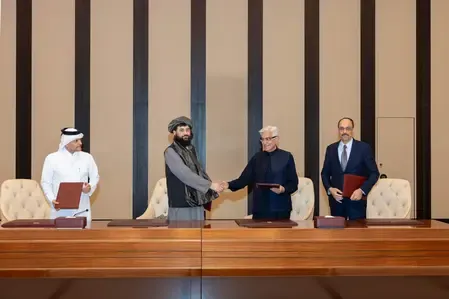
Ultimately, mediation efforts from Turkey and Qatar led to a joint statement and an extension of a fragile ceasefire, yet deep-seated mistrust persisted. Observers suggest that this incident underscores Islamabad's difficulty in aligning diplomatic and security strategies at a time when economic strains and insurgency threats are already stretching state capabilities.
Regional analysts caution that ongoing blunders could alienate crucial partners, complicating Pakistan's economic diplomacy and further destabilizing its western frontier. For lasting peace, experts contend that Pakistan must move away from coercive rhetoric, establish trust-based mechanisms, and invest in border communities, while Afghanistan must take decisive action against anti-Pakistan militants.
Point of View
It is crucial to approach the Pakistan-Afghanistan talks with a balanced perspective. While the diplomatic breakdown is concerning, it reflects the complexities of regional politics. Both nations must prioritize dialogue and compromise to foster trust and stability.
NationPress
29 Sept 2026
Frequently Asked Questions
What were the main issues discussed during the peace talks?
The primary issues included Pakistan's demands for Afghanistan to act against TTP and Afghanistan's requests for assurances against airspace violations by Pakistan.
Why did the talks break down?
The talks broke down due to rigid positions from both sides, unrealistic expectations, and a lack of trust, exacerbated by conflicting narratives on social media.
What are the implications of the failed talks?
The failed talks could further strain relations between Pakistan and Afghanistan, complicating regional security and economic diplomacy.