Did the Supreme Court Grant Bail to Three Accused in the Pune Porsche Crash Blood Tampering Case?
Synopsis
In a significant ruling, the Supreme Court has granted bail to three accused involved in a notorious Pune Porsche crash, emphasizing parental responsibility and the need for accountability in such tragic incidents.
Key Takeaways
The Supreme Court granted bail to three accused in the Pune Porsche crash.
They had been in custody for nearly 20 months.
The case involves serious charges of evidence tampering and forgery.
The incident resulted in the deaths of two IT professionals.
Parental accountability was emphasized in the court's observations.
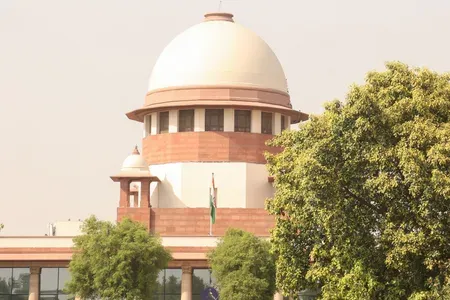
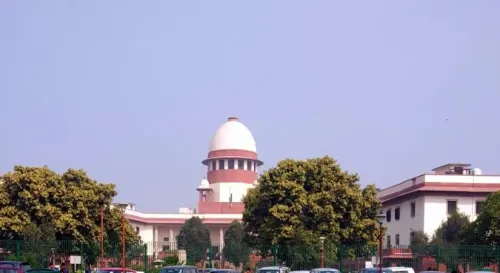
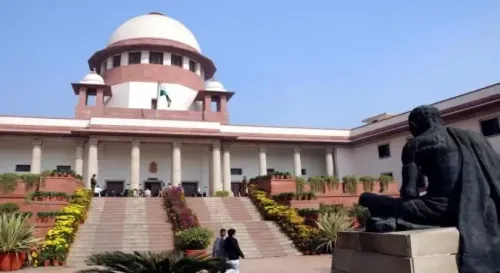
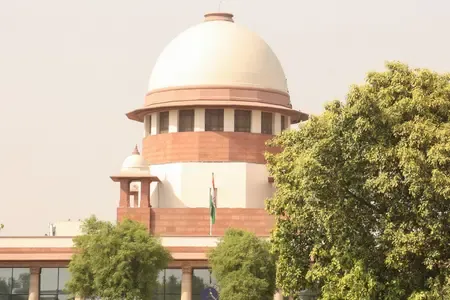
New Delhi, Feb 2 (NationPress) The Supreme Court has granted bail to three individuals accused of conspiring to alter blood samples in order to protect minors involved in the controversial Pune Porsche hit-and-run incident.
After noting that they had been detained for nearly 20 months, a Bench led by Justices B.V. Nagarathna and Ujjal Bhuyan ordered the release of Ashish Satish Mittal, Aditya Avinash Sood, and Amar Santhosh Gaikwad, contingent upon conditions established by the trial court.
These three are alleged to have facilitated the swapping of blood samples belonging to two minors who were passengers in the Porsche vehicle—excluding the accused minor driver—at the time of the tragic accident.
The charges against them include various violations under the Indian Penal Code and the Prevention of Corruption Act, such as forgery, tampering with evidence, and bribery.
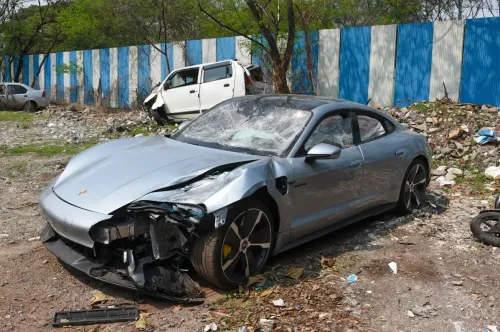
This fatal incident took place in the early hours of May 19, 2024, when a Porsche, allegedly operated by a 17-year-old under the influence of alcohol, struck two IT professionals—Anis Awadhiya and Ashwini Koshta—in Pune’s Kalyaninagar area, igniting widespread outrage across the nation.
Mittal is a friend of one of the minors seated in the back of the vehicle, while Sood is the father of the other minor passenger.
Gaikwad is reportedly a middleman who allegedly accepted Rs three lakh to facilitate the blood sample swap for the two juveniles.
In delivering the bail order, Justice Nagarathna's Bench expressed strong views regarding parental accountability, characterizing the occurrence as indicative of a more extensive societal issue.
“Celebrating on the basis of substances and racing at high speeds, resulting in the deaths of innocent individuals on the road... the law must catch up with these individuals. More importantly, parents bear responsibility for entrusting vehicles to their children and enabling them to indulge in reckless behavior,” the Supreme Court stated, while refraining from making detailed findings to avoid influencing the ongoing trial.
Previously, a Pune Sessions Court had denied bail to several accused, highlighting that evidence tampering seemed to be “in the genes/DNA of the modus operandi of the crime” and that granting bail would convey a “misleading message to society.”
Point of View
The Supreme Court's decision to grant bail in such a high-profile case raises critical questions about societal values and parental accountability. The tragic loss of life in the Pune Porsche incident highlights the need for stricter regulations and a more responsible approach to youth access to vehicles.
NationPress
30 Sept 2026
Frequently Asked Questions
What are the charges against the accused?
The accused are charged with forgery, tampering with evidence, and bribery under various provisions of the IPC and the Prevention of Corruption Act.
What was the Supreme Court's observation regarding parental responsibility?
The Supreme Court highlighted that parents should be accountable for allowing their children access to vehicles and fostering reckless behavior.
What was the outcome of the bail applications in the lower court?
A Pune Sessions Court previously denied bail to several accused, indicating that evidence tampering was a recurring issue in this case.