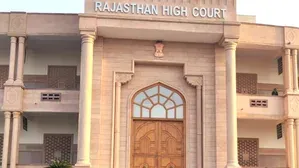
Rajasthan HC bans junk food in schools, orders 50m gate buffer zone
Synopsis
The Rajasthan High Court has done what school health guidelines alone could not: imposed a legally enforceable ban on junk food in and around schools, backed by monthly inspections and a four-week deadline for nutrition committees. The bench also flagged screen time and learning quality — framing children's diet and education as a single, urgent judicial concern.
Key Takeaways
Rajasthan High Court banned junk food in school canteens and within a 50-metre radius of school gates on 25 August .
The bench, led by Justice Anup Kumar Dhand , directed schools to prohibit HFSS items including carbonated drinks, chips, and trans-fat bakery products.
Every school must form a School Food Safety and Nutrition Committee within four weeks .
Schools must display a menu board with calorie and nutritional details within eight weeks .
District Magistrates and Block Education Officers are to conduct monthly inspections ; District Collectors must submit surprise-inspection reports within eight weeks.
The court noted that school food guidelines issued in 2020 have seen inadequate enforcement for over six years .
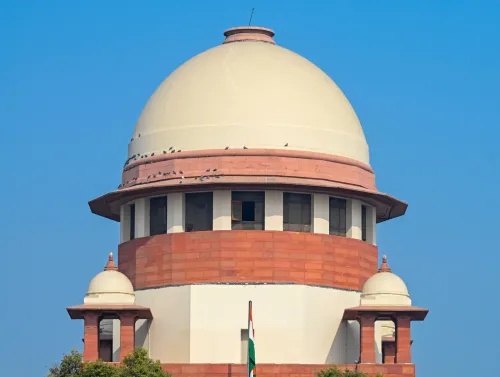
The Rajasthan High Court on Monday, 25 August banned the sale of junk food in school canteens and within a 50-metre radius of school gates across the state, citing mounting concerns over children's health, academic development, and overall well-being. The order was issued by a bench headed by Justice Anup Kumar Dhand, who also flagged rising screen time among school-going children as a parallel concern.
What the Court Has Directed
The bench directed all schools to strictly prohibit food items classified as high in fat, sugar, and salt (HFSS), including carbonated drinks, chips, and bakery products containing trans fats. Schools must also display a menu board within eight weeks, listing calorie counts, ingredients, and nutritional details for all items sold in canteens.
Every school has been asked to constitute a School Food Safety and Nutrition Committee within four weeks to strengthen on-ground compliance. Authorities have additionally been directed to ensure that midday meals and other nutritional schemes meet prescribed balanced-diet standards, with the explicit aim of protecting children from obesity and lifestyle-related diseases.
Why the Court Acted Now
The court noted that guidelines for safe and balanced food in schools were formulated in 2020, but effective implementation has remained inadequate for more than six years. This order is, in effect, a judicial push to enforce rules that already exist on paper but have seen little traction in practice. Notably, childhood obesity and diet-related health concerns have been rising across urban and semi-urban India, making this ruling timely beyond Rajasthan's borders.
Enforcement and Inspections
District Magistrates and Block Education Officers have been directed to conduct monthly inspections to ensure compliance with the food ban. All District Collectors have also been ordered to carry out surprise inspections of rural schools and submit compliance reports to the court within eight weeks.
Broader Directions on Education Quality
Beyond food, the court addressed the quality of education itself. It stressed the importance of handwriting, reading books, taking notes, and written examinations as foundational learning practices, cautioning that technology and artificial intelligence — while valuable — must not replace these fundamentals.
Directions were also issued to fill vacant teaching posts in rural government schools and upgrade essential infrastructure, including smart classrooms, computers, internet connectivity, health check-ups, toilets, drinking water, and sports facilities. The court's sweeping set of directions signals a rare judicial intervention that treats children's nutrition and education quality as interconnected rights.
Point of View
Screen time, pedagogy, and rural school infrastructure into a single proceeding, treating them as symptoms of the same systemic neglect. Monthly inspections by District Magistrates are a strong enforcement mechanism on paper, but the history of court-mandated compliance reports in education suggests the real test will be follow-through. If Rajasthan's model holds, it could prompt similar judicial interventions in other states where HFSS food is freely sold inside school premises.
NationPress
9 Oct 2026
Frequently Asked Questions
What has the Rajasthan High Court ordered regarding junk food in schools?
The Rajasthan High Court has banned the sale of junk food in school canteens and within a 50-metre radius of school gates across the state. The order covers HFSS items such as carbonated drinks, chips, and bakery products containing trans fats.
Who will enforce the junk food ban in Rajasthan schools?
District Magistrates and Block Education Officers have been directed to conduct monthly inspections to verify compliance. All District Collectors must also carry out surprise inspections of rural schools and submit compliance reports to the court within eight weeks.
What is a School Food Safety and Nutrition Committee?
It is a body that each school in Rajasthan must constitute within four weeks, as per the High Court's order, to oversee food safety and nutritional standards on campus. The committee is intended to strengthen on-ground enforcement of the food ban.
Why did the Rajasthan High Court intervene on school food now?
The court noted that guidelines for safe and balanced school food were formulated in 2020 but have seen inadequate implementation for over six years. The order is a judicial push to enforce existing rules that have not been acted upon effectively.
Does the court order cover anything beyond the junk food ban?
Yes. The court also directed schools to display nutritional menu boards within eight weeks, fill vacant teaching posts in rural government schools, upgrade infrastructure such as smart classrooms and toilets, and ensure that technology does not replace foundational learning practices like handwriting and written examinations.