SGPC slams Ram Rahim's parole, cites double standards on Sikh prisoners
Synopsis
While Gurmeet Ram Rahim Singh walks free on his latest 30-day parole, Sikh prisoners who have completed their sentences remain behind bars. The SGPC's blistering attack on the Haryana government and the Centre lays bare a contradiction that successive administrations have yet to address — and one that cuts to the heart of equal justice under law.
Key Takeaways
The SGPC on 26 May 2025 condemned the 30-day parole granted to Dera Sacha Sauda chief Gurmeet Ram Rahim Singh .
Ram Rahim is serving sentences for rape and murder at Sunaria jail in Rohtak, Haryana .
SGPC leader Bhagwant Singh Sialka alleged the Haryana government and the Centre applied double standards in prisoner treatment.
The SGPC alleged Ram Rahim's cases were transferred from Faridkot to Chandigarh as part of a planned legal strategy, with sentencing rules reportedly altered.
Several Bandi Singhs , including Balwant Singh Rajoana , remain imprisoned despite completing sentences, according to the SGPC.
The matter has been raised with Union Home Minister Amit Shah , but no concrete decision has been taken.
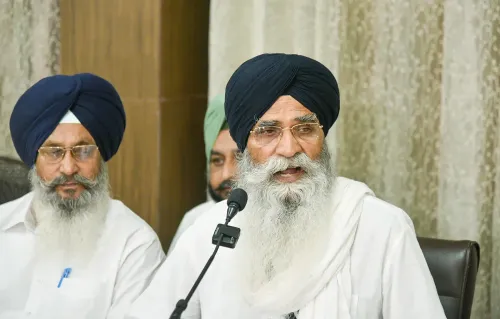
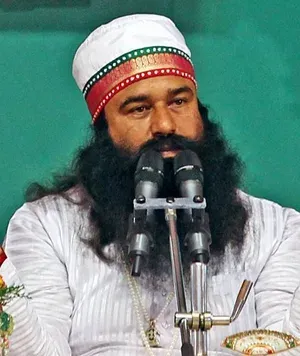
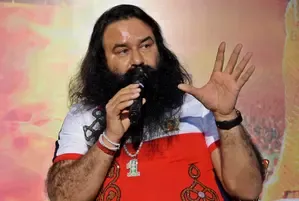
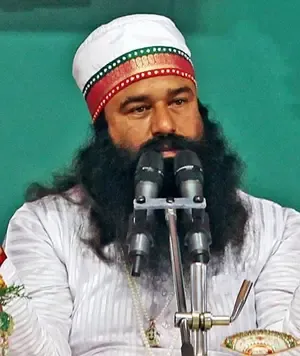
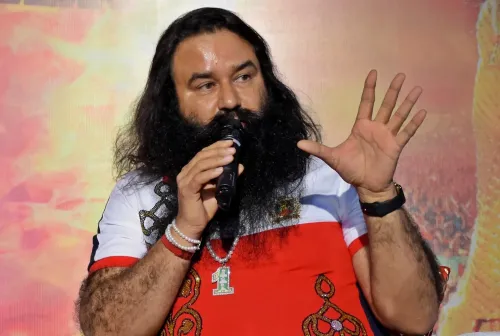
The Shiromani Gurdwara Parbandhak Committee (SGPC) on Tuesday, 26 May strongly condemned the latest parole granted to Dera Sacha Sauda chief Gurmeet Ram Rahim Singh, accusing both the Haryana government and the Centre of applying blatant double standards in the treatment of prisoners and in handling sacrilege-related cases. Ram Rahim, currently serving his sentence at Sunaria jail in Rohtak, Haryana, was recently granted 30 days of parole — a move that has drawn sharp and sustained criticism from the apex Sikh religious body.
SGPC's Core Allegations
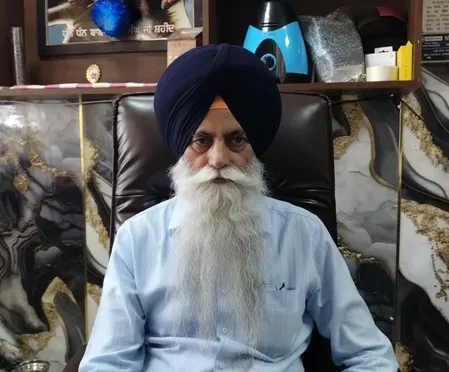
SGPC committee member and senior advocate Bhagwant Singh Sialka said the repeated extension of parole to the Dera chief had deeply wounded Sikh religious sentiments. He argued that granting parole — time and again — to a person whose name has surfaced in investigations linked to the desecration of the Guru Granth Sahib, and who is serving sentences in serious criminal cases including rape and murder, raises grave questions about the intentions of both state and central authorities.
Sialka alleged that Ram Rahim and several associates connected to his dera had featured in sacrilege-related probes, yet governments continued to extend what he described as special treatment. He also claimed that political parties which had previously targeted the Akali Dal on related issues were now conspicuously silent or lenient in Ram Rahim's case.
Allegations of Legal Manipulation
The SGPC leader further alleged that the transfer of cases linked to Ram Rahim from Faridkot to Chandigarh was part of a deliberate strategy. According to Sialka, special legal provisions were put in place and even sentencing rules were reportedly altered to benefit the Dera chief — privileges, he stressed, that ordinary prisoners do not receive.
The Bandi Singhs Issue
Calling the situation a clear case of 'double standards', Sialka pointed to the plight of several Bandi Singhs — Sikh prisoners who, according to the SGPC, have already completed their sentences yet remain incarcerated. He specifically referenced Balwant Singh Rajoana and other Bandi Singhs, reiterating that the SGPC would continue its struggle for their release.
Sialka confirmed that the matter had been raised with Union Home Minister Amit Shah, but said no concrete decision had been taken so far. The SGPC's criticism underscores a long-running tension between Sikh religious institutions and successive governments over what the committee perceives as selective application of the law.
Broader Context
This is not the first time Ram Rahim's parole has sparked controversy. The Dera Sacha Sauda chief was convicted in 2017 for the rape of two female followers and later in connection with a murder case. Each parole granted since his conviction has triggered protests from Sikh groups who argue that the state's leniency toward him stands in stark contrast to the prolonged detention of Sikh political prisoners. The latest grant of parole continues that pattern, and with assembly election cycles in Haryana and Punjab always a factor in political calculations, the SGPC's charge of vote-bank considerations is unlikely to fade quickly.
Point of View
But its political charge is sharpening. Every parole granted to Ram Rahim arrives amid a backdrop of unresolved Bandi Singhs cases — a contrast that successive governments have failed to explain on the merits. The allegation that sentencing rules were selectively altered deserves independent judicial scrutiny, not political deflection. More telling is the SGPC's claim that Home Minister Amit Shah has been briefed but has not acted — a silence that, in the context of Haryana's electoral arithmetic, speaks louder than any official statement.
NationPress
10 Oct 2026
Frequently Asked Questions
Why is the SGPC protesting Ram Rahim's parole?
The SGPC argues that granting repeated parole to Gurmeet Ram Rahim Singh — convicted of rape and murder and linked to Guru Granth Sahib desecration cases — while Sikh Bandi Singhs who have served their sentences remain imprisoned constitutes a clear double standard. The committee says the move has hurt Sikh religious sentiments.
How long is Ram Rahim's current parole?
Ram Rahim was granted 30 days of parole. He is serving his sentence at Sunaria jail in Rohtak, Haryana. This is not his first parole since his conviction in 2017.
Who are the Bandi Singhs and why does the SGPC want them freed?
Bandi Singhs are Sikh prisoners, several of whom the SGPC says have already completed their sentences but remain incarcerated. The SGPC has long demanded their release and has raised the matter with Union Home Minister Amit Shah, though no decision has been taken.
What is the allegation about the transfer of Ram Rahim's cases?
SGPC leader Bhagwant Singh Sialka alleged that cases linked to Ram Rahim were transferred from Faridkot to Chandigarh as part of a deliberate legal strategy, with special provisions and altered sentencing rules applied — treatment he says is not extended to ordinary prisoners.
Has the SGPC taken the matter up with the central government?
Yes. According to Sialka, the SGPC has raised the issue of Bandi Singhs and the parole controversy directly with Union Home Minister Amit Shah. However, he said no concrete decision has been forthcoming from the Centre.