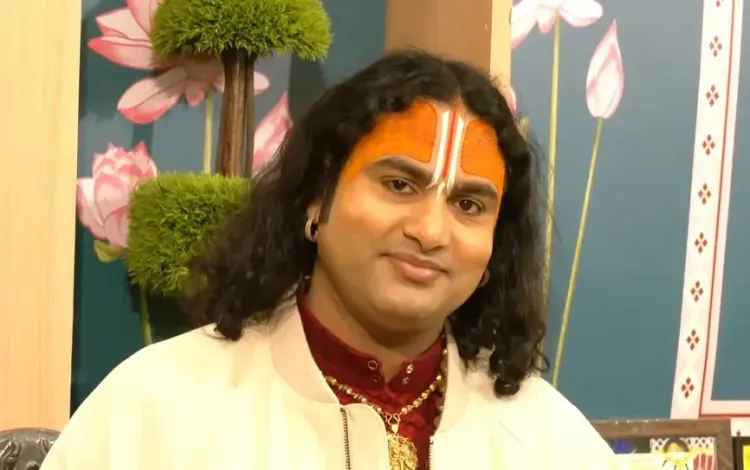
Does Buying Bangladeshi Players Reflect Hatred Towards Hindus? Insights from Aniruddhacharya
Synopsis
In a recent interview, renowned religious figure Aniruddhacharya critiques Shah Rukh Khan's acquisition of a Bangladeshi cricketer, arguing that such actions betray a deep-seated animosity towards Hindus. This thought-provoking discussion touches on broader themes of identity, friendship, and the responsibilities of public figures. Discover Aniruddhacharya's perspective on these pressing issues.
Key Takeaways
Aniruddhacharya criticizes Bollywood's decisions impacting communal sentiments.
Concerns about the friendship with those who oppose Hindus were raised.
Public outcry can influence significant decisions in the industry.
The role of dharma in community interactions was emphasized.
The film industry must reflect on its societal responsibilities.
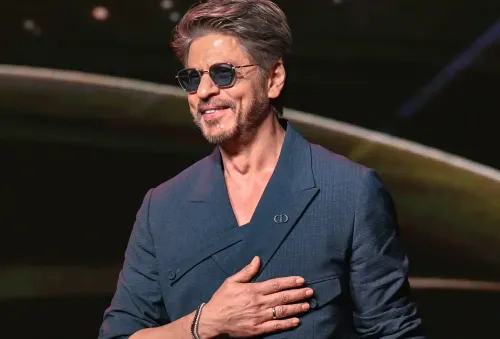
Mathura, Jan 4 (NationPress) The religious figure Aniruddhacharya expressed on Sunday that the practice of profiting in India while sending funds to entities harboring intense hatred towards Hindus must be critically examined. When questioned about Bollywood star Shah Rukh Khan's acquisition of a Bangladeshi cricketer, he remarked that "those who procure Bangladeshi players reveal a disdain for the Hindu community" and warrant scrutiny.
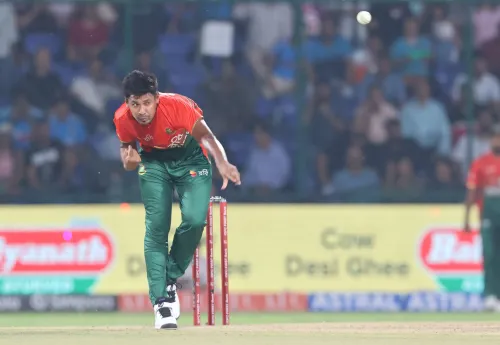
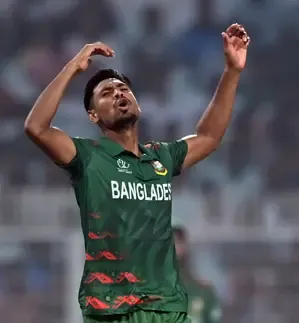
These comments followed the Board of Control for Cricket in India (BCCI)'s directive for Shah Rukh Khan's Kolkata Knight Riders (KKR) to release Bangladeshi cricketer Mustafizur Rahman, after widespread public disapproval.
In an exclusive interview with IANS, Aniruddhacharya indicated that individuals in Bollywood regard themselves as "deities" and believe they are untouchable, a form of "arrogance" that influences their decisions.
The religious leader also mentioned the mistreatment of Hindus in Bangladesh, the IPL series, and issues surrounding Bengal's Babri Masjid, alongside the burning of the Manusmriti in various regions.
IANS: In light of the backlash against Shah Rukh Khan's acquisition of a Bangladeshi player, should the BCCI have taken action?
Aniruddhacharya: We believe that those who share meals with us should be our friends. But how can we consider as friends those who oppress our Hindus and Sanatanis? Why should we support cricket with those who harbor such animosity?
Those procuring Bangladeshi players need to be questioned. You may spend ₹9 crore on players, but have you considered the pain of Indians who contributed to your success, only to see you support those who are brutal towards Hindus?
By profiting in India and sending wealth to those who despise Hindus, doesn't it imply that you (b) also harbor hatred for Hindus? If you cared for Hindus, wouldn't you reflect on this?
How can we engage in cricket with those causing harm to Hindus? Some argue that sports should remain separate from such issues, but how can we ignore these realities? What does 'dharma' teach us? We must uphold our dharma.
If a Muslim were killed in a Hindu nation, we would stand with the Muslim community. In contrast, when Hindus suffer, there should be a united front against the atrocities in Bangladesh.
IANS: Was Shah Rukh Khan's team oblivious to the potential backlash from acquiring the player?
Aniruddhacharya: The Bollywood elite see themselves as invincible. Their vast wealth breeds a form of arrogance that leads them to believe they are untouchable. What consequences have they faced? They promote immoral practices like gutka and alcohol openly. Who has truly challenged them?
Bollywood embodies power; they are influential personalities. What can ordinary citizens do? Their arrogance led to this decision, but public outcry forced Shah Rukh Khan to reconsider.
What is the film industry’s purpose? They gain riches by catering to Indian audiences and then redistribute that wealth elsewhere. Indians elevate them to stardom, while their loyalties lie elsewhere. Is this not a form of betrayal?
IANS: Some claim that the Muslim community in India faces discrimination. What is your perspective?
Aniruddhacharya: We oppose the ideology within certain factions of Islam that promotes hatred against Hindus. Why this hostility? Hindus do not hate Muslims. We stand against wrongdoing, especially when Hindus face violence. Do Muslims support such genocide?
IANS: Humayun Kabir, founder of the Janata Unnayan Party, plans to construct a Babri Masjid in West Bengal's Murshidabad. What do you think?
Aniruddhacharya: Even some Muslims acknowledge that the Babri mosque didn't exist prior to Babur. Muslims need to introspect—mosques have existed, but when did the Babri mosque emerge? Invaders committed atrocities against Indian women. Why should structures representing foreign invaders, which offend Sanatan followers, remain?
Mosques can be established, but not at the expense of temples. We have never demolished a mosque for a temple. They destroyed our temples to build mosques, leading us to destroy those mosques to restore temples. Why can’t we coexist peacefully? If conflict is the only choice, let’s settle it directly. The common populace bears the consequences. I believe the temple-mosque politics are misguided.
IANS: We've seen reports of individuals, allegedly from the Bhim Army, burning the Manusmriti. What’s your take?
Aniruddhacharya: Those who burn the Manusmriti are simply misguided. What can one say about ignorance? Who comprehends the scriptures? Only those who can read can understand these texts.
Those unaware of reading cannot grasp meaning. If you haven't read the Manusmriti, why burn it?
I observed a video of a Dalit brother chanting 'Jai Bhim, Jai Bhim'. He expressed a profound thought. 'I’ve read some of the Manusmriti, and I see nothing warranting its destruction.' The Dalits have fallen prey to misleading influences.
The misguidance comes from certain Muslims. If they truly cared for Dalits, why did Jogendra Nath Mandal, Pakistan's first Law Minister, flee India shortly after? He was a Law Minister but was forced out by Muslims. Why was Dipu Das, a Dalit youth, brutally murdered by a Muslim mob in Bangladesh? People should reflect on this.
Point of View
It is crucial to present an unbiased viewpoint. Aniruddhacharya's remarks highlight a significant societal concern regarding cultural identity and the impact of public figures on community sentiments. The discourse around sports and politics must be approached thoughtfully, emphasizing the need for understanding and dialogue.
NationPress
24 Sept 2026
Frequently Asked Questions
What did Aniruddhacharya say about Shah Rukh Khan's actions?
Aniruddhacharya criticized Shah Rukh Khan for purchasing a Bangladeshi player, suggesting it reflects hatred towards the Hindu community.
What are the broader implications of his statements?
His statements raise concerns about the relationship between Bollywood, sports, and cultural identity, emphasizing the need for public figures to consider the impact of their actions.
How did the public react to Shah Rukh Khan's purchase?
The public expressed outrage, leading to the BCCI asking Kolkata Knight Riders to drop the Bangladeshi cricketer.
What does Aniruddhacharya mean by 'dharma'?
He refers to the principles of righteousness and duty, suggesting that individuals should adhere to their moral responsibilities in their choices.
How does Aniruddhacharya perceive the film industry?
He views Bollywood figures as arrogant, believing they are above reproach due to their wealth and influence.