Historic Milestone: Clean Water Access Transforms Sundra Village in Rajasthan
Synopsis
Sundra village in Rajasthan has achieved a remarkable milestone by receiving clean drinking water through household tap connections for the first time since independence. This development marks the end of decades of struggle for residents and heralds a new era of hope and improved quality of life.
Key Takeaways
First-time access to clean drinking water in Sundra since independence.
Significant reduction in water scarcity challenges.
Infrastructure includes over 80 Elevated Service Reservoirs.
The project serves as a model for inclusive development.
Improvement in public health and quality of life anticipated.
Jaipur, April 10 (NationPress) In a groundbreaking achievement, the village of Sundra, positioned near the India-Pakistan border in Barmer district, Rajasthan, has received its first supply of clean drinking water via household tap connections since the nation gained independence.
This significant milestone not only signifies the introduction of a fundamental necessity but also marks the end of years of struggle and the dawn of a hopeful future, as confirmed by officials on Friday.
Founded in 1734, Sundra was once one of the largest Gram Panchayats in India, covering an area of nearly 1,345 square kilometers.
Located about 170 kilometers from the district center, the lifestyle in this isolated desert area has long been dictated by harsh conditions and severe water scarcity.
The groundwater in the vicinity has historically been excessively saline, rendering it unfit for both human and animal consumption.
Even the tube wells set up by the government were unable to alleviate the situation, compelling locals to travel between 15 to 20 kilometers to find drinkable water from surrounding villages.
The village also carries the scars of displacement from the Indo-Pak Wars of 1965 and 1971, when residents were evacuated due to the area's sensitive border status.
Since that time, the community has faced numerous natural and political hurdles. The persistent water crisis has now been resolved through the Narmada Canal-based Drinking Water Project.
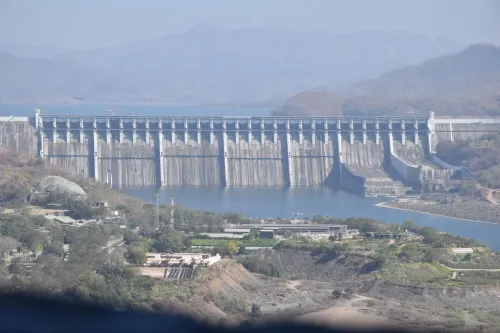
Water from the Sardar Sarovar Dam on the Narmada River has journeyed an impressive 728 kilometers to reach Sundra. This initiative, costing around Rs 513 crore, aims to provide drinking water to more than 200 villages.
Essential infrastructure involves 16 Central Water Reservoirs, over 80 Elevated Service Reservoirs, and various pumping stations.
Despite challenges such as installing pipelines across sand dunes, power shortages, and security limitations in border regions, the project has been successfully completed.
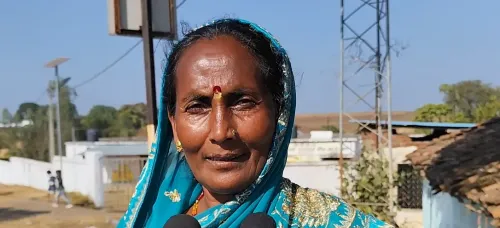
For Sundra's residents, having access to tap water is life-changing. Elderly villagers are experiencing clean drinking water at their doorsteps for the first time.
This shift is anticipated to greatly enhance public health, lessen the burden on women, and improve the overall quality of life.
The arrival of Narmada water in Sundra serves as a powerful testament to inclusive development, showing that even the most remote areas can undergo transformation through dedicated effort, thoughtful planning, and innovation.
Point of View
The successful implementation of the Narmada Canal-based Drinking Water Project in Sundra illustrates the potential for sustainable development in even the most challenging regions. This initiative not only addresses a critical need for clean water but also empowers local communities and enhances their quality of life.
NationPress
19 Sept 2026
Frequently Asked Questions
What is the significance of the water project in Sundra?
The water project provides clean drinking water to Sundra for the first time, improving health and quality of life for residents.
How far is Sundra from the district headquarters?
Sundra is located approximately 170 kilometers from the district headquarters.
What challenges did Sundra face regarding water supply?
Sundra faced severe water scarcity, with saline groundwater and the need to travel long distances for potable water.
What is the estimated cost of the water project?
The project was implemented at an estimated cost of Rs 513 crore.
How many villages will benefit from the water project?
The project aims to supply drinking water to over 200 villages.