Rajarhat explosion case: Third arrest made, NIA probes bomb cache
Synopsis
A third arrest in the Rajarhat house explosion case — this time from Madhyamgram — signals that investigators believe a wider network was behind the bomb cache found in a rented Kolkata home. With the NIA now leading the probe and two live explosives already recovered, the case has moved well beyond a local incident.
Key Takeaways
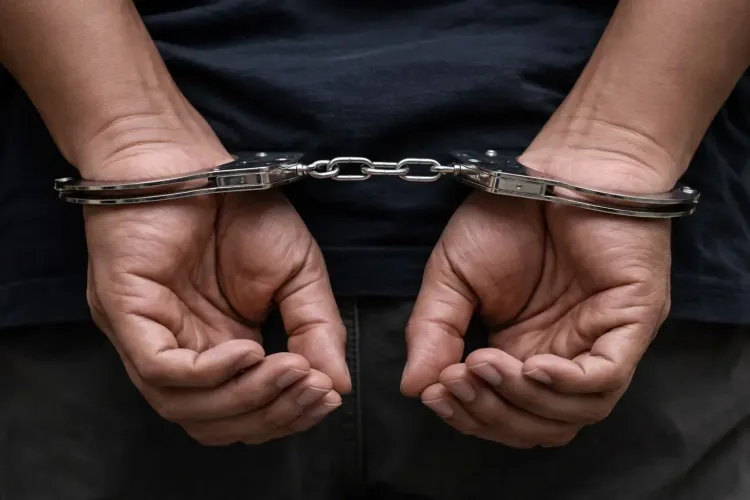
Police arrested Mohammad Hossain from Madhyamgram, North 24 Parganas on 20 July , raising the total arrests in the case to three .
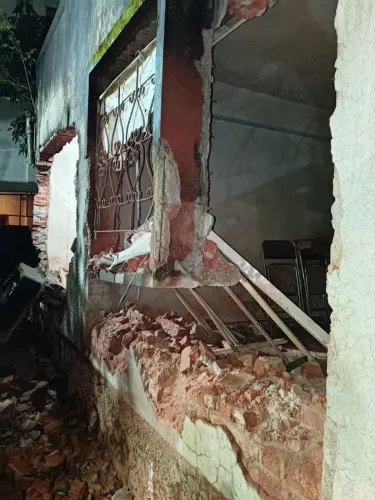
The explosion occurred on the night of 17 July at a house in Supari Bagan, Dakshin Narayanpur, Rajarhat ; one person was injured.
A bomb squad recovered two live bombs from the premises after the blast.
Main accused Mohammad Shamim had rented the house through broker Shahenshah and allegedly stored the explosives there.
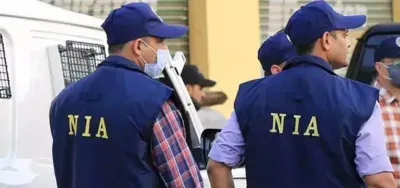
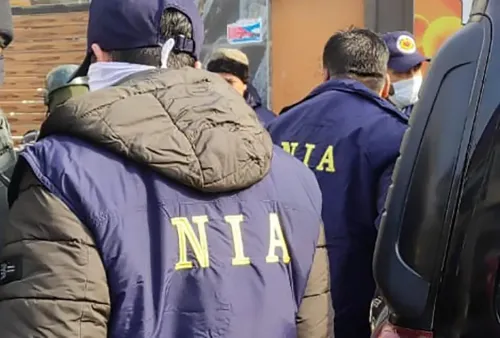
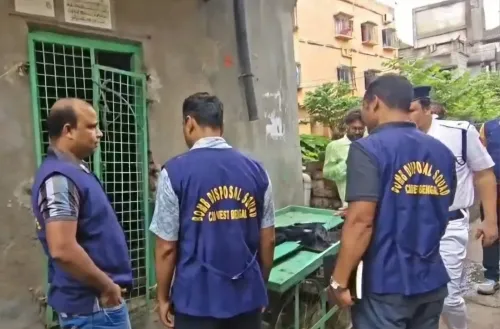
The National Investigation Agency (NIA) has taken over the investigation, with forensic experts also examining the site.
Police are investigating the purpose of the bomb cache and whether additional suspects remain at large.
Police in Kolkata on Monday, 20 July arrested a third suspect in connection with the explosion that rocked a residential house in the Supari Bagan area of Dakshin Narayanpur, Rajarhat, on the night of 17 July. The arrest brings the total number of persons held in the case to three, as the National Investigation Agency (NIA) continues to probe the incident.
The Latest Arrest
The Narayanpur police station detained Mohammad Hossain following sustained interrogation of the case's main accused, Mohammad Shamim, also known as Selim. Hossain was apprehended from the Rajbati area of Madhyamgram in North 24 Parganas district. Investigators are now working to establish the precise nature of his role in the incident.
According to police, Hossain will be taken into formal custody for further interrogation. The exact extent of his involvement has not yet been disclosed by authorities.
How the Case Unfolded
The explosion occurred late on the night of Friday, 17 July, at a house in the Supari Bagan locality on the northern outskirts of Kolkata. One person was injured in the blast. Officers from the Narayanpur police station launched an immediate investigation and detained two individuals shortly after.
A bomb squad dispatched to the scene subsequently recovered two additional live bombs from the premises — a find that significantly escalated the seriousness of the case. Forensic experts were also deployed to determine the origin and cause of the explosion.
The Accused and the Rented House
Investigators established that Mohammad Shamim had rented the house through a broker identified as Shahenshah just days before the blast. Both Shamim and Shahenshah were arrested in the earlier phase of the investigation. According to police, Shamim had stored the bombs inside the rented premises, which subsequently detonated.
Notably, this is the second fresh arrest linked directly to leads developed from Shamim's interrogation, suggesting the accused may have been part of a wider network. Police are actively investigating why the bombs were stored at the location and what purpose they were intended to serve.
NIA Takes Over the Probe
The National Investigation Agency assumed control of the investigation following the discovery of the live explosives, signalling that central authorities view the incident as potentially linked to a larger security threat. The NIA's involvement also indicates that the case may extend beyond a local law-and-order matter.
Police have confirmed that efforts are ongoing to determine whether additional individuals remain at large in connection with the case. As the investigation deepens, the focus is on tracing the source of the explosives and mapping the full network behind the bomb cache.
Point of View
Not a one-off mishap. The pattern of a rented safe house, a broker as intermediary, and a suspected wider network echoes past low-intensity explosive cases in West Bengal. The critical question investigators must answer is not just who stored the bombs, but who ordered them stored and why — answers that the Hossain interrogation may now begin to provide.
NationPress
20 Oct 2026
Frequently Asked Questions
What happened in the Rajarhat explosion case?
An explosion occurred late on the night of 17 July at a rented house in the Supari Bagan area of Dakshin Narayanpur, Rajarhat, on the outskirts of Kolkata. One person was injured, and a bomb squad subsequently recovered two additional live bombs from the premises.
Who has been arrested in the Rajarhat explosion case?
Three people have been arrested so far: main accused Mohammad Shamim (also known as Selim), broker Shahenshah, and most recently Mohammad Hossain, who was arrested from Madhyamgram in North 24 Parganas on 20 July.
Why did the NIA take over the Rajarhat explosion investigation?
The National Investigation Agency assumed control of the probe following the discovery of two live bombs at the site, indicating the case may carry broader security implications beyond a local law-and-order matter.
What is Mohammad Hossain's alleged role in the case?
Police identified Mohammad Hossain as a suspect after interrogating main accused Mohammad Shamim. The exact nature of Hossain's involvement is still under investigation; he is being held for further questioning.
Are investigators looking for more suspects in the Rajarhat bomb case?
Yes. Police have confirmed they are actively probing whether additional individuals are connected to the case, and are working to determine the source of the explosives and the purpose for which they were stored.