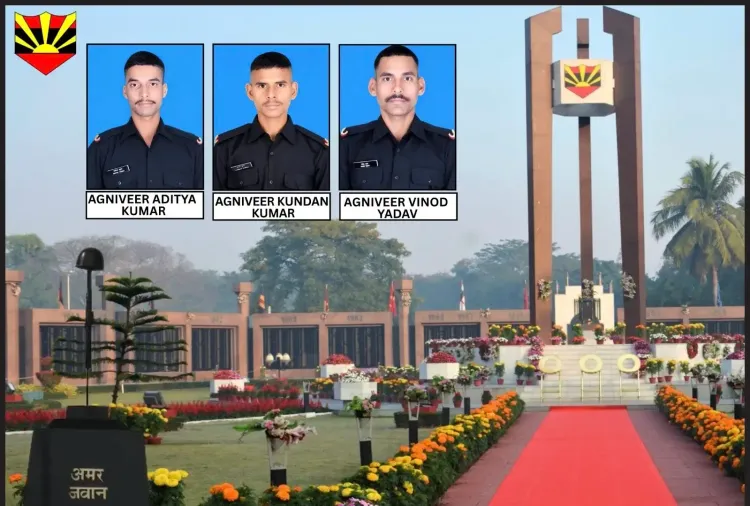
Three Agniveers missing in Dibang Valley floods declared dead after DNA testing
Synopsis
Weeks after a cloudburst swallowed three Agniveers in the Dibang Valley, DNA testing has confirmed what their families dreaded. The deaths of Aditya Kumar, Kundan Kumar, and Vinod Yadav put a human face on the monsoon's toll in one of the Army's most unforgiving operational zones — and quietly raise questions about safety protocols for Agniveers deployed in extreme terrain during peak flood season.
Key Takeaways
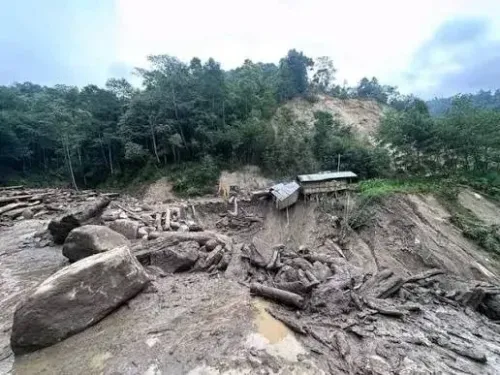
Aditya Kumar , Kundan Kumar , and Vinod Yadav — three Indian Army Agniveers — went missing in Dibang Valley, Arunachal Pradesh on 14 August after a cloudburst triggered landslides and flash floods.
All three have been officially declared dead following DNA testing of recovered mortal remains, the Army confirmed on 27 September 2026 .
Their ashes reached their respective native villages on Saturday ; Aditya Kumar received full military honours in Arunachal Pradesh before his ashes were taken to Vaishali, Bihar .
Eastern Army Commander Lt General V.M.B.
Krishnan led tributes, calling it the 'supreme sacrifice with valour while performing their duties.' The Army stated it 'stands firmly' with the bereaved families and extended condolences.
Three Indian Army Agniveers — Aditya Kumar, Kundan Kumar, and Vinod Yadav — who went missing during devastating floods in Arunachal Pradesh's Dibang Valley on 14 August 2025, have been officially declared dead, with their identities confirmed through DNA testing of recovered mortal remains, the Army confirmed on 27 September 2026. The three soldiers were on active duty in one of India's most difficult operational terrains when a cloudburst triggered landslides and flash floods.
How the Soldiers Were Lost
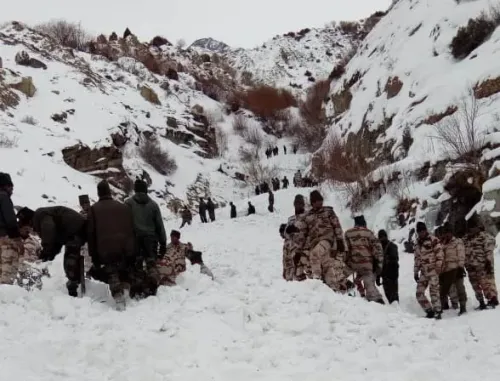
The three Agniveers were deployed in the rugged Dibang region of Arunachal Pradesh for security duties when the cloudburst struck on 14 August, unleashing landslides and flash floods that swept through the area. The extreme terrain and ongoing monsoon conditions severely hampered search and rescue operations in the days that followed. Their mortal remains were recovered several days after they went missing, and identities were subsequently established through DNA testing before the remains were handed over to their families.
Who the Agniveers Were
Aditya Kumar hailed from Vaishali, Bihar. His last rites were performed in Arunachal Pradesh with full military honours before his ashes were escorted to his ancestral village. Residents of his native village organised a Tiranga Yatra to pay their final respects, with a procession of locals gathering to bid farewell. Vinod Yadav was a native of Auraiya, Uttar Pradesh, and Kundan Kumar hailed from Bihar. The urns containing the ashes of all three soldiers reached their respective native villages on Saturday, the Army said. Their families had endured weeks of uncertainty before the DNA confirmation brought a painful closure.
Army Pays Tribute, Condoles Families
Eastern Army Commander Lieutenant General V.M.B. Krishnan and all ranks of the Indian Army paid tribute to the three soldiers, honouring what the Army described as the 'supreme sacrifice with valour while performing their duties.' The Army affirmed that it 'stands firmly' with the bereaved families during 'this hour of grief,' and expressed solidarity with them. The formal declaration of death, coming over six weeks after they went missing, follows established protocol requiring DNA confirmation of recovered remains before a soldier is officially listed as killed in action.
Broader Context: Monsoon Devastation Across India
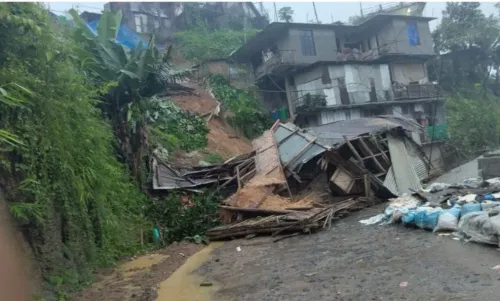
The Dibang Valley tragedy is part of a wider pattern of monsoon-season destruction that disrupted life across multiple states this year, including Assam, Arunachal Pradesh, Gujarat, Himachal Pradesh, Jammu and Kashmir, Kerala, Mizoram, Tripura, Uttar Pradesh, and Uttarakhand. Floods and landslides paralysed normal life across large swathes of these states, while lightning strikes claimed additional lives. For Army personnel deployed in remote, high-altitude zones like the Dibang region, the monsoon compounds existing operational hazards with dramatically increased risk from natural disasters. The Dibang Valley's extreme geographical conditions — steep gorges, dense forest cover, and fast-rising rivers — make rescue operations particularly challenging even under normal weather conditions.
What Happens Next
With the mortal remains now handed over and last rites performed, the families of the three Agniveers are entitled to benefits under the Agnipath scheme's provisions for those who die in the line of duty. The Army has not publicly detailed whether an inquiry into the circumstances of their deployment during the cloudburst will be conducted, though standard operating procedures require a review following such incidents. The tragedy also renews scrutiny of safety protocols for Agniveers deployed in extreme terrain during high-risk monsoon months.
Point of View
Short-service recruits in some of India's most operationally demanding and physically dangerous postings. Questions about whether adequate safety protocols exist for Agniveers deployed in extreme terrain during monsoon peaks have not been publicly addressed. The weeks-long gap between the August 14 disappearances and the DNA-confirmed declarations also underscores the logistical limits of search operations in the Northeast's rugged interior. As the scheme matures, the treatment of Agniveer casualties — in terms of benefits, honours, and institutional transparency — will be closely watched by future recruits and their families.
NationPress
27 Sept 2026
Frequently Asked Questions
Who were the three Agniveers declared dead after the Dibang Valley floods?
The three Agniveers were Aditya Kumar, a native of Vaishali in Bihar; Vinod Yadav, from Auraiya in Uttar Pradesh; and Kundan Kumar, also from Bihar. They were deployed in the Dibang region of Arunachal Pradesh when they went missing on 14 August after a cloudburst triggered landslides and flash floods.
How were the Agniveers identified after going missing?
Their identities were confirmed through DNA testing of mortal remains recovered several days after they went missing. The remains were then handed over to their families, and the urns containing their ashes reached their native villages on Saturday.
What did the Army say about the three soldiers?
The Army said the three Agniveers 'made the supreme sacrifice with valour while performing their duties.' Eastern Army Commander Lieutenant General V.M.B. Krishnan and all ranks paid tribute and expressed condolences, with the Army affirming it 'stands firmly' with the bereaved families.
Why is the Dibang Valley considered a high-risk deployment zone?
The Dibang region is characterised by rugged terrain, steep gorges, dense forest, and fast-rising rivers, making it one of the Army's most challenging operational zones. During the monsoon, cloudbursts and flash floods dramatically increase the risks for personnel deployed there, and hamper search and rescue operations.
What benefits are the families of the deceased Agniveers entitled to?
Under the Agnipath scheme's provisions for death in the line of duty, the families of the three Agniveers are entitled to specified financial benefits. The Army has not publicly detailed the exact amounts in this case, but standard protocols apply for those who die while performing active duties.