Tamil Nadu hydel power output halves amid weak monsoon, costly power buys rise
Synopsis
Tamil Nadu's hydel output has halved year-on-year — from over 1,500 MU to just 751 MU — as a weak monsoon and 15-year-old silt buildup in reservoirs combine to push the state into buying power at up to ₹20 per unit, against a hydel cost of under ₹1. Nearly 2,000 MU of expensive exchange power has already been procured, and relief depends entirely on whether the monsoon recovers.
Key Takeaways
Tamil Nadu generated only 751.034 MU of hydel power between 1 April and 17 July , against 1,509.549 MU in the same period last year — a drop of nearly 50% .
The state utility has procured nearly 2,000 MU from the power exchange at ₹16–₹20 per unit , compared to hydel generation costs of under ₹1 per unit .
Inadequate Cauvery releases from Karnataka further reduced reservoir inflows feeding hydroelectric projects.
No major reservoir desilting has been undertaken since 2010 ; silt buildup has reportedly cut effective storage capacity by nearly 20% .
Officials expect hydel generation to remain constrained unless rainfall improves substantially across catchment areas in the coming weeks.
Tamil Nadu's hydroelectric power generation plummeted to 751.034 million units (MU) between 1 April and 17 July this year — nearly half the 1,509.549 MU recorded during the same period last year — as a weak southwest monsoon, poor reservoir inflows, and a prolonged heatwave curtailed water availability across the state's catchment areas. The shortfall has forced the state's power distribution utility to procure electricity from the power exchange at sharply elevated rates, adding significant financial pressure to an already strained system.
Scale of the Shortfall
Official data confirms the 50%-plus year-on-year decline in hydel output, coming at a time when electricity demand remained unusually high well into July. Hydel power is among the cheapest electricity sources available to Tamil Nadu, with generation costs typically below ₹1 per unit. The collapse in output has therefore had an outsized impact on the state's overall power procurement economics.
Cost of Bridging the Gap
To compensate for the hydel deficit, the utility has been purchasing electricity from the power exchange over the past three months at prices ranging between ₹16 and ₹20 per unit — roughly 16 to 20 times the cost of hydel generation. According to officials, nearly 2,000 MU of electricity has been procured during this period, considerably inflating overall power costs for the state.
Cauvery Releases and Reservoir Stress
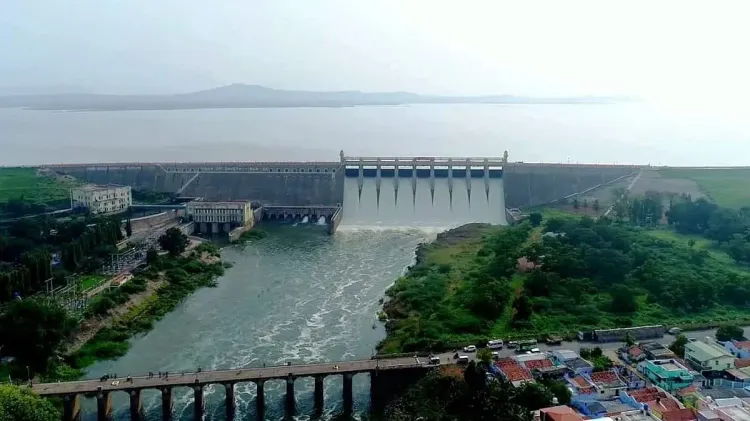
The situation has been further compounded by inadequate releases of Cauvery water from Karnataka, which reduced water availability in reservoirs feeding several hydroelectric projects. Tamil Nadu typically maximises hydel generation during summer and peak-demand periods to limit reliance on costlier alternatives. This year, that strategy has been effectively neutralised by the combination of below-normal rainfall and inter-state water shortfalls.
Decades of Neglected Desilting
Experts within the power sector have also flagged the long-term impact of inadequate reservoir maintenance. While desilting was carried out at a few reservoirs — including Bhavanisagar and Kundah — in 2010, no major desilting work has been undertaken since. Officials estimate that silt accumulation has reduced the effective storage capacity of most reservoirs by nearly 20 per cent, limiting their ability to retain water during monsoon months and constraining hydel output. Timely desilting, experts argue, could have improved storage, boosted generation, and reduced dependence on expensive exchange purchases.
Outlook
With monsoon activity yet to improve significantly, officials expect hydel generation to remain under pressure in the coming weeks unless rainfall increases substantially across key catchment zones. The financial and operational strain on the state's power system is likely to persist through the season.
Point of View
Unchecked since the last desilting round in 2010, is a self-inflicted wound that amplifies every weather shock. Paying ₹16–₹20 per unit on the exchange for power that should cost under ₹1 is a fiscal haemorrhage that falls ultimately on the consumer and the state exchequer. The Cauvery dimension adds inter-state complexity, but the desilting failure is entirely within Tamil Nadu's control. Until reservoir maintenance is treated as critical infrastructure rather than a periodic afterthought, the state will remain structurally exposed to exactly this kind of cascading shortfall every time the monsoon underperforms.
NationPress
20 Oct 2026
Frequently Asked Questions
Why has Tamil Nadu's hydel power generation fallen so sharply in 2025?
Tamil Nadu's hydel output dropped to 751.034 MU between April and July 2025, nearly half of last year's 1,509.549 MU, due to a weak southwest monsoon, below-normal reservoir inflows, prolonged heatwave conditions, and inadequate Cauvery water releases from Karnataka.
How much is Tamil Nadu paying for power exchange purchases to cover the hydel shortfall?
The state utility has been procuring electricity from the power exchange at ₹16 to ₹20 per unit over the past three months. Officials estimate nearly 2,000 MU has been purchased at these rates, compared to hydel generation costs of under ₹1 per unit.
What role has reservoir desilting played in the crisis?
No major desilting work has been carried out since 2010, when reservoirs including Bhavanisagar and Kundah were last desiltd. Officials estimate silt accumulation has reduced effective storage capacity by nearly 20%, limiting the reservoirs' ability to retain water and curtailing hydel output.
How has Karnataka's Cauvery water release affected Tamil Nadu's hydel generation?
Inadequate releases of Cauvery water from Karnataka have reduced inflows into reservoirs that feed several of Tamil Nadu's hydroelectric projects, compounding the impact of the weak monsoon on available water for power generation.
When is Tamil Nadu's hydel power situation expected to improve?
Officials expect hydel generation to remain under pressure in the coming weeks unless monsoon rainfall increases substantially across key catchment areas. No specific timeline for improvement has been indicated.