Tamil Nadu offers ₹2/kg incentive for cooperative ration shop onion sales

Synopsis
Tamil Nadu is paying ration shop salespersons ₹2 for every kilogram of onions they sell — a small but telling sign of how seriously the state is treating retail price volatility. With onions procured in three phases from NAFED and NCCF, the cooperative network is being pressed into service as a price-stabilisation tool, and staff are now financially incentivised to make it work.
Key Takeaways
Tamil Nadu has announced a ₹2 per kg incentive for salespersons at cooperative society-run ration shops selling onions.
Onions were procured in three phases from NAFED and NCCF to counter rising open-market prices.
The incentive is performance-linked — payment depends directly on the quantity of onions sold .
Additional duties covered include receiving consignments, sorting, weighing, conducting sales, and maintaining accounts.
Payments will be credited via Electronic Clearing Service (ECS) directly to eligible salespersons' bank accounts.
The order was issued by Registrar of Cooperative Societies, Latha , on 18 October 2026 .
Tamil Nadu's Registrar of Cooperative Societies, Latha, has issued a procedural order granting ration shop salespersons an incentive of ₹2 per kilogram of onions sold through cooperative society-run outlets. The measure, announced on 18 October 2026, is part of a broader state effort to stabilise retail onion prices and ensure affordable access to quality produce for consumers across Tamil Nadu.
Background and Procurement Arrangement
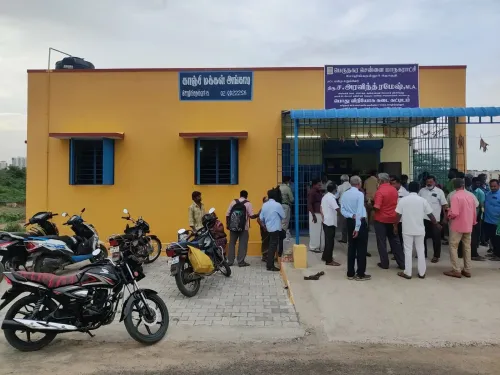
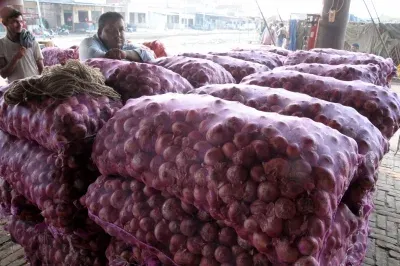
Onions were procured in three phases from two central cooperative bodies — the National Agricultural Cooperative Marketing Federation of India (NAFED) and the National Cooperative Consumers' Federation of India (NCCF). The procurement was undertaken specifically to counter rising onion prices in the open market. The procured stock is being distributed to consumers through the existing network of cooperative society-run ration shops.
This approach leverages an already-established retail infrastructure, allowing the state to move large volumes of subsidised produce without building a parallel supply chain. Notably, onion price volatility has periodically triggered government intervention across Indian states, and Tamil Nadu's three-phase procurement reflects the scale of the challenge this season.
What the Incentive Covers
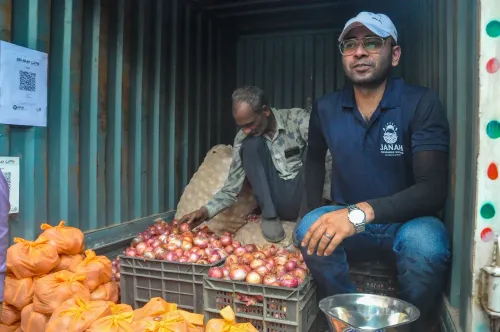
The ₹2 per kg incentive is directly linked to the volume of onions sold, meaning salespersons who handle higher quantities receive proportionally greater payments. The Registrar's order enumerates the additional duties involved: receiving consignments, storing produce, sorting stock, weighing quantities for individual customers, conducting sales, and maintaining related sales accounts.
These responsibilities go beyond the routine distribution of ration commodities, and the incentive is designed to formally recognise that additional workload. Payments will be credited directly to eligible salespersons' bank accounts via the Electronic Clearing Service (ECS), ensuring a transparent and auditable disbursement trail.
Consumer Relief and Retail-Level Accountability
The dual intent of the order — consumer relief through subsidised onion distribution and staff motivation through performance-linked pay — sets it apart from a routine administrative directive. By tying payment to quantity sold rather than a fixed allowance, the scheme creates a direct incentive for salespersons to actively facilitate onion sales rather than treat it as a peripheral responsibility.
The uniform rate applies across all participating cooperative ration shops, ensuring consistency in implementation statewide.
What Comes Next
The scale of eventual disbursements will depend on how much of the procured stock moves through cooperative outlets in the coming weeks. If the distribution programme succeeds in keeping retail prices in check, it could serve as a replicable model for managing price spikes in other essential commodities through cooperative networks.
Point of View
But the architecture matters more than the amount. By tying salesperson pay to volume rather than offering a flat allowance, Tamil Nadu has built a small accountability loop into an otherwise top-down price-control exercise. The real question is whether cooperative distribution can move enough volume quickly enough to meaningfully suppress open-market prices — past state interventions through ration networks have often been too slow or too limited in reach to shift retail dynamics. If this three-phase procurement works, it may offer a template; if onion prices stay elevated despite the effort, it will highlight the limits of cooperative infrastructure as a real-time price stabiliser.
NationPress
18 Oct 2026
Frequently Asked Questions
What is the ₹2 per kg incentive announced by Tamil Nadu for ration shops?
It is a performance-linked payment of ₹2 for every kilogram of onions sold by salespersons at cooperative society-run ration shops in Tamil Nadu. The incentive was formalised through a procedural order by the Registrar of Cooperative Societies to compensate staff for additional duties involved in onion distribution.
Why is Tamil Nadu selling onions through cooperative ration shops?
The state procured onions through NAFED and NCCF in three phases to check rising retail prices in the open market. Distributing through cooperative ration shops uses existing infrastructure to make quality onions available to consumers at fair prices.
How will the incentive payments be made to salespersons?
Payments will be credited directly to eligible salespersons' bank accounts via the Electronic Clearing Service (ECS), based on the quantity of onions each person sold at their respective cooperative outlet.
What additional duties must salespersons perform to earn the incentive?
Salespersons must receive onion consignments, store and sort the produce, weigh quantities for customers, conduct sales, and maintain related sales accounts — responsibilities beyond their routine ration commodity distribution duties.
Who issued the order and when does it apply?
The order was issued by the Registrar of Cooperative Societies, Latha, on 18 October 2026. It applies uniformly across all cooperative society-run ration shops participating in the onion distribution programme in Tamil Nadu.