VHP calls Faizabad Bar Association's boycott 'political', backs accused's right to legal aid
Synopsis
The VHP’s International President has done something unexpected: defended the constitutional right of the Ram Temple embezzlement accused to legal representation, even while demanding their harshest punishment. His invocation of a 2011 Supreme Court ruling against a similar Bar boycott puts the Faizabad Bar Association on legally shaky ground — and frames the entire episode as a test of whether outrage can override the Constitution.
Key Takeaways
VHP International President Alok Kumar on 30 June called the Faizabad Bar Association ’s legal boycott ‘grossly inappropriate’ and ‘political’.
The Bar Association announced no lawyer would represent the eight accused in the Ram Temple donation embezzlement case ; lawyers who do face a ₹5 lakh per accused penalty.
Kumar cited a 2011 Supreme Court ruling in the Coimbatore Bar Association case, which held that denying an accused legal representation violates Article 21 of the Constitution.
Despite defending due process, Kumar stated he holds ‘no sympathy’ for the accused and demanded strict punishment for those who stole temple offerings.
The case has triggered a national debate over legal ethics and constitutional rights in emotionally charged, high-profile matters.
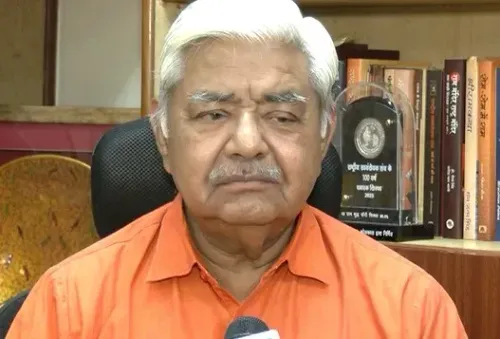
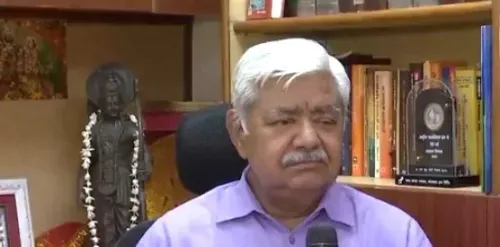
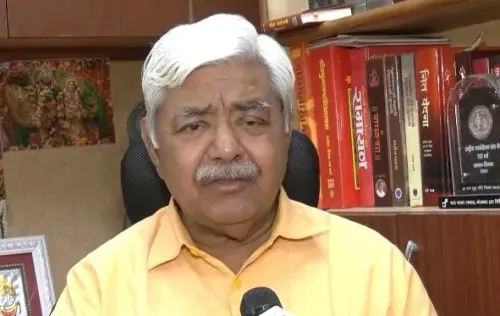
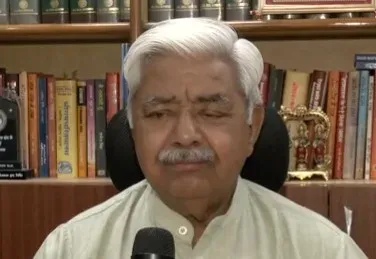
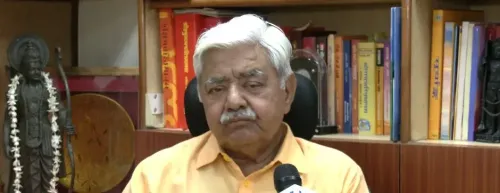
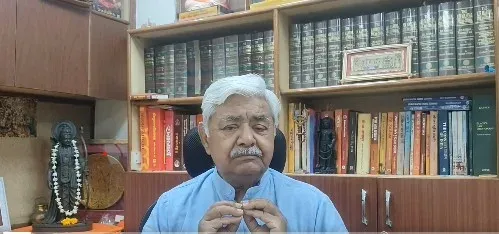
Vishva Hindu Parishad (VHP) International President Alok Kumar on Tuesday, 30 June sharply criticised the Faizabad Bar Association's decision to deny legal representation to the eight accused in the Ram Temple donation embezzlement case, calling the move “grossly inappropriate” and “in contravention of the basic principles of justice.” The VHP chief simultaneously demanded strict punishment for those found guilty of siphoning off temple offerings, drawing a clear line between defending due process and condoning the alleged theft.
VHP's Stand on Legal Rights
Alok Kumar said the Bar Association’s pledge to deny the accused any legal assistance violates constitutional practices and strikes at the core of professional ethics. “This proposal appears more political to me,” he said in remarks to reporters. He emphasised that depriving any accused of legal counsel is not merely an ethical lapse but a constitutional violation, regardless of the gravity of the alleged offence.
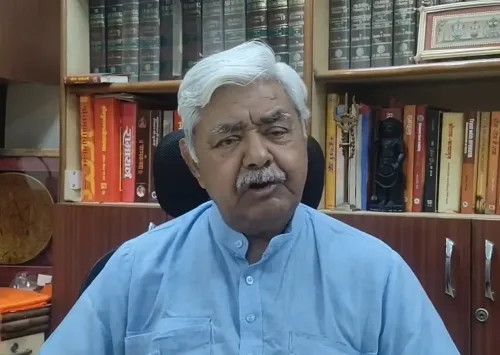
Kumar invoked a landmark precedent to buttress his position. He recalled that in 2011, in a case involving Mohammad Rafi before the Supreme Court, the Coimbatore Bar Association had similarly resolved not to represent a particular accused. “The Supreme Court disagreed with that resolution. It referred to Article 21 of the Constitution, which guarantees every person the right to defend themselves in court. The court had said that any such proposal to deprive the accused his right to seek justice is against the law, against the Constitution and against morality,” Kumar noted.
No Sympathy for the Accused, But Justice Must Prevail
The VHP president was equally emphatic that his defence of due process should not be mistaken for sympathy toward the alleged wrongdoers. He stated plainly that he holds “no sympathy” for those who stole from the temple, describing the incident as ‘deeply painful’ and a betrayal of the trust of devotees. He demanded that the perpetrators face the “strictest punishment” for siphoning off offerings made to the deity.
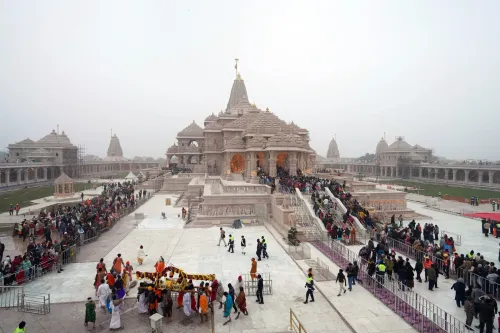
This comes amid a broader controversy over the embezzlement of donations at the Ram Temple in Ayodhya, which has drawn widespread public outrage. The VHP, as a key stakeholder in the temple’s construction movement, finds itself in the unusual position of defending the legal rights of those accused of defiling the very cause it championed.
What the Faizabad Bar Association Decided
Following the unravelling of the alleged theft, the Faizabad Bar Association announced that no lawyer would represent any of the eight accused in the embezzlement case. According to the Association, any lawyer who chose to appear on behalf of an accused would be required to deposit ₹5 lakh per accused into the Association’s fund — a financial deterrent widely seen as a de facto boycott.
The decision has ignited a debate over legal ethics and the rights of the accused in high-profile, emotionally charged cases. Legal experts have pointed out that such Bar resolutions, however well-intentioned, have historically been struck down by courts as incompatible with constitutional guarantees.
Broader Implications
Notably, this is not the first time a Bar Association in India has attempted to collectively deny representation to an accused in a case that has provoked strong public sentiment. The Supreme Court’s 2011 ruling in the Coimbatore matter set a clear precedent that such resolutions cannot override Article 21 rights. Legal observers argue that the Faizabad Bar’s move, while reflecting community outrage, risks being struck down on the same grounds if challenged.
With the case now drawing national attention, the courts are expected to ensure that the accused receive due legal process — regardless of the Bar Association’s stance.
Point of View
Alok Kumar has correctly identified that Bar boycotts — however morally motivated — have no constitutional standing. What mainstream coverage is missing is the significance of the VHP itself making this argument: the organisation that most visibly championed the Ram Temple’s construction is now, in effect, protecting the rights of those accused of desecrating it. That is a remarkable institutional stress test. The Faizabad Bar’s ₹5 lakh deterrent is almost certainly unenforceable and invites a swift judicial rebuke if challenged. The real story is whether the courts will step in proactively, or wait for a formal petition — and what that delay costs the accused in the interim.
NationPress
29 Sept 2026
Frequently Asked Questions
Why did the VHP criticise the Faizabad Bar Association?
The VHP criticised the Faizabad Bar Association for announcing that no lawyer would represent the eight accused in the Ram Temple donation embezzlement case. VHP International President Alok Kumar said the move violates Article 21 of the Constitution and is ‘grossly inappropriate,’ calling it more political than principled.
What did the Faizabad Bar Association decide about the Ram Temple embezzlement case?
The Faizabad Bar Association declared that no lawyer would represent any of the eight accused in the Ram Temple embezzlement case. Any lawyer who chose to appear for an accused would be required to pay ₹5 lakh per accused into the Association’s fund.
What Supreme Court precedent did VHP cite in this case?
VHP’s Alok Kumar cited a 2011 Supreme Court ruling involving Mohammad Rafi and the Coimbatore Bar Association, in which the court held that any resolution denying an accused legal representation violates Article 21 of the Constitution, which guarantees the right to defend oneself in court.
Does the VHP support the accused in the Ram Temple embezzlement case?
No. The VHP has been clear that it holds no sympathy for the accused and has demanded strict punishment for those who stole temple offerings. Its criticism is directed solely at the Bar Association’s decision to deny legal representation, which it views as unconstitutional.
What is the Ram Temple donation embezzlement controversy?
The controversy involves the alleged theft of offerings and donations at the Ram Temple in Ayodhya. Eight individuals have been accused of siphoning off funds meant for the temple, triggering public outrage and the Faizabad Bar Association’s unprecedented decision to boycott their legal defence.