FIFA World Cup 2026 Group I preview: Mbappe vs Haaland headlines France, Norway, Senegal, Iraq
Synopsis
For the first time on a World Cup stage, Kylian Mbappe and Erling Haaland will share the same group. France carry the weight of expectation but arrive with a fragile midfield and a captaincy debate. Norway end a 28-year absence with Haaland having scored 16 goals in qualifying alone. Senegal are built to upset favourites. Iraq are chasing their first ever World Cup point after a 40-year wait.
Key Takeaways
Group I at the 2026 FIFA World Cup features France , Norway , Senegal , and Iraq .
Kylian Mbappe and Erling Haaland will meet on the World Cup stage for the first time.
Norway return to the World Cup after a 28-year absence , having won all eight qualifying matches.
Haaland scored 16 goals in eight qualifiers and targets Kjetil Rekdal's national record of two World Cup goals.
Senegal make their third consecutive World Cup appearance ; coach Pape Thiaw played in the 2002 side that beat France.
Iraq return to the World Cup for the first time since 1986 , targeting their first ever World Cup point .
Group I of the 2026 FIFA World Cup may not carry the 'group of death' label, but it delivers the tournament's most compelling individual storyline: Kylian Mbappe and Erling Haaland, two of the defining strikers of their generation, will finally share a World Cup stage. With France, Norway, Senegal, and Iraq occupying the group, the contest for the top two spots promises elite attacking football, tactical intrigue, and at least one major upset bid.
France: Talent in abundance, questions at the back
France arrives in North America as a genuine title contender — the defending 2018 World Cup champions and 2022 runners-up. Yet this edition of Les Bleus carries more uncertainty than the squad's pedigree suggests. The midfield, long a source of steel and creativity, looks thinner than in previous tournaments, prompting coach Didier Deschamps to recall 35-year-old N'Golo Kante in a bid to restore structure.
A 2-1 friendly defeat to Côte d'Ivoire ahead of the tournament underlined the point: France has the individual quality to go deep, but needs coherent tactics and the right collective mentality to convert that quality into results.
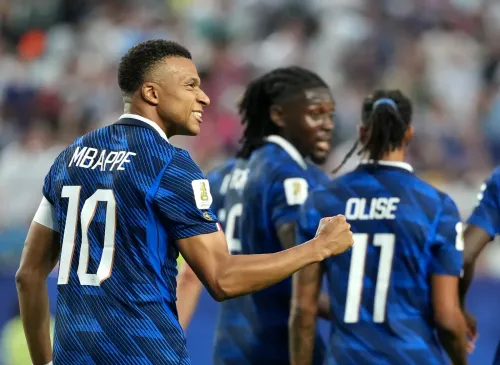
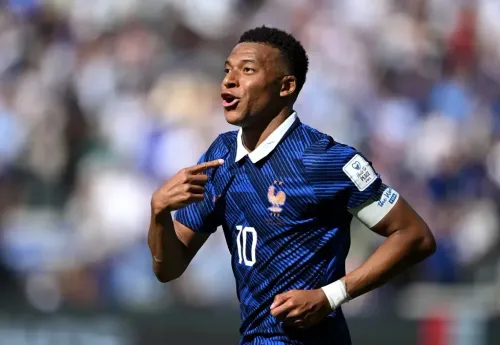
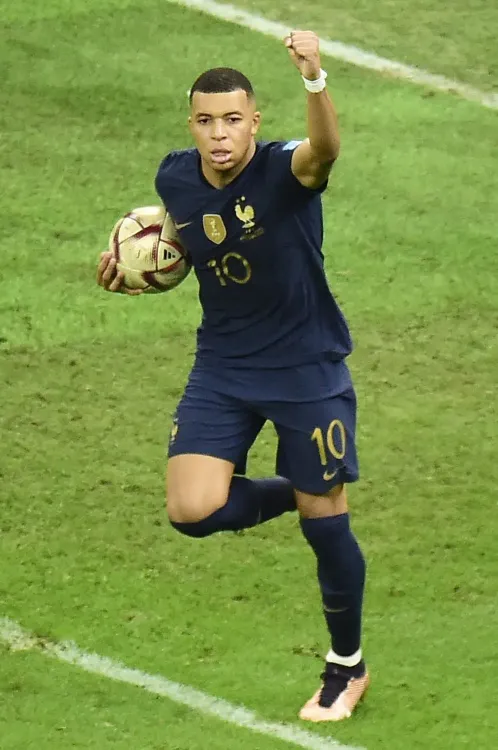
Star player — Kylian Mbappe: The captain arrives under greater scrutiny than at any previous tournament. Since his high-profile move from Paris Saint-Germain to Real Madrid in 2024, Mbappe's goal output has remained high, but critics have pointed to defensive lapses, limited attacking variation, and reported dressing-room friction. Two consecutive club seasons without a major trophy have added to the pressure. The emergence of Ousmane Dembele as a genuine rival for the team's attacking leadership means this World Cup is, for Mbappe, a moment of reckoning as much as opportunity.
Player to watch — Ousmane Dembele: Dembele's transformation from inconsistent wide forward to world-class leader has been one of football's great recent stories. As PSG's attacking fulcrum, he claimed consecutive UEFA Champions League titles and the Ballon d'Or. His pace, dribbling, and creative instinct can unlock any defensive line. With Desire Doue, Michael Olise, and Bradley Barcola all pressing for minutes, Deschamps faces a selection puzzle — and Dembele's form will shape how France's attack is structured throughout the group stage.
Norway: 28-year wait over, Haaland ready to rewrite records
Norway ends a 28-year World Cup absence — their last appearance was in 1998 — having qualified in emphatic fashion, winning all eight of their qualifying matches. The team combines a direct, high-intensity style with genuine quality across the squad, with several players drawn from Europe's top clubs.
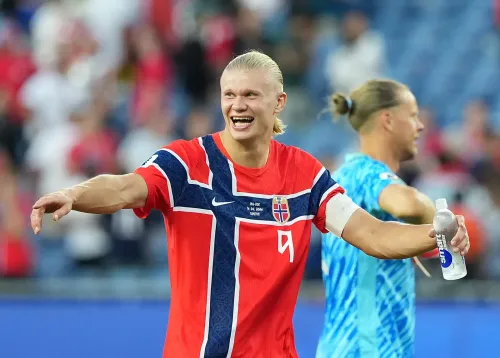
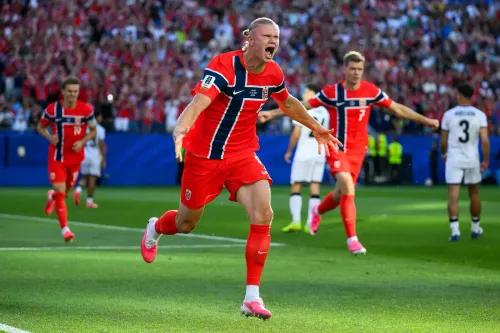
Star player — Erling Haaland: The Manchester City striker scored 16 goals in eight qualifiers, a figure that illustrates his relentless efficiency. Haaland enters the tournament with less off-field noise than Mbappe, and with a specific personal target: surpassing Kjetil Rekdal's national record of two World Cup goals. More broadly, he is the driving force behind Norway's ambition to reach the last 16 for the first time in decades.
Player to watch — Martin Odegaard: The Arsenal captain and creative hub, Odegaard dictates Norway's tempo, links midfield to attack, and consistently finds pockets of space to feed Haaland and the wide forwards. His ability to operate between the lines against France and Senegal could prove decisive. If Odegaard functions at his club-level best, Norway are a genuine threat to finish second in the group.
Senegal: Africa's most complete side, built to upset favourites
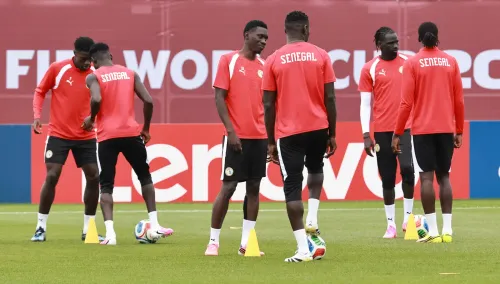
Senegal make their third consecutive World Cup appearance, cementing their status as Africa's most consistent international side. Their performance at the Africa Cup of Nations in January reaffirmed a team built on defensive solidity, physical intensity, and lethal counterattacking — a profile that no top side enjoys facing.
Star player — Sadio Mane: At 34, Mane remains Senegal's all-time leading scorer and the emotional core of the squad. His experience in high-stakes matches, combined with a relentless work rate, continues to set the standard for the team around him.
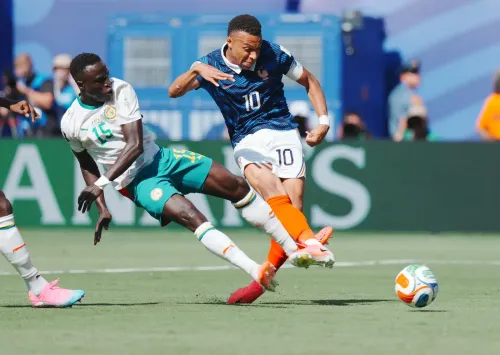
Player to watch — Kalidou Koulibaly: The defensive anchor of the Teranga Lions, Koulibaly brings commanding positioning, aerial dominance, and composed distribution. He shields goalkeeper Edouard Mendy and organises a back line that concedes very little. Notably, coach Pape Thiaw was part of Senegal's 2002 World Cup squad that famously beat France and reached the quarterfinals — a historical echo that will not be lost on this group.
Iraq: 40 years on, chasing a first World Cup point
Iraq return to the World Cup for the first time since 1986, when they lost all three group games and scored only once. This qualification was no gift: they navigated 21 matches across qualifying rounds and intercontinental playoffs to secure the final berth. Under former Australia manager Graham Arnold, Iraq arrive as the group's underdogs on paper but not in spirit — a 1-1 friendly draw against Spain demonstrated they can compete against elite opposition.
Their objective is clear and historically significant: win Iraq's first ever World Cup point, and if the stars align, their first World Cup victory.
Star player — Aymen Hussein: The centre-forward is Iraq's primary goal threat. In a team that will inevitably spend long periods defending and working with limited possession, his finishing and hold-up play are central to any chance of a positive result.
Player to watch — Amir Al-Ammari: The midfielder is tasked with helping Iraq maintain shape, win the ball back, and initiate counterattacks. His decision-making under pressure will largely determine whether Iraq's defensive resilience translates into genuine scoring opportunities.
Group I outlook
France and Senegal are the most likely qualifiers, but Norway's flawless qualifying record and Haaland's firepower make them a serious challenger for second place. Iraq's historic return adds a compelling underdog narrative. The Mbappe-Haaland head-to-head, whenever France face Norway, will rank among the most-watched fixtures of the group stage.
Point of View
But the real story in Group I is whether France's structural fragility — a thinning midfield, a captaincy debate, and two trophy-less club seasons for their talisman — costs them at a tournament where margins are tight. Norway's perfect qualifying record is not a fluke; Haaland is the most clinical finisher in the world right now, and Odegaard gives them a creative dimension previous Norwegian generations lacked. Senegal, quietly, may be the most complete side in the group. Their 2002 ghost — beating France in the group stage — will hang over every team selection Deschamps makes. Iraq's presence is a reminder that World Cup qualification itself remains a story worth telling, but the gap in quality is real.
NationPress
26 Oct 2026
Frequently Asked Questions
Which teams are in Group I at the 2026 FIFA World Cup?
Group I at the 2026 FIFA World Cup consists of France, Norway, Senegal, and Iraq. France and Senegal are considered the frontrunners to advance, with Norway posing a serious challenge for second place.
When did Norway last play in the FIFA World Cup?
Norway last appeared at the FIFA World Cup in 1998, making their 2026 qualification a return after a 28-year absence. They qualified with a perfect record of eight wins from eight matches.
How many goals did Erling Haaland score in World Cup qualifying?
Erling Haaland scored 16 goals in eight qualifying matches, underlining his exceptional efficiency in front of goal. He enters the tournament targeting Kjetil Rekdal's Norwegian record of two World Cup goals.
When did Iraq last play at the FIFA World Cup?
Iraq last played at the FIFA World Cup in 1986, where they lost all three group games and scored only once. Their 2026 appearance comes after navigating 21 matches across qualifying rounds and intercontinental playoffs.
Why is Ousmane Dembele significant for France at the 2026 World Cup?
Dembele has emerged as a genuine rival to Mbappe for France's attacking leadership, having won consecutive UEFA Champions League titles and the Ballon d'Or with PSG. His pace, dribbling, and creativity make him one of the most dangerous forwards in the tournament.