How Will a Joint Panel of Centre, Haryana, and Delhi Make the Yamuna Clean?
Synopsis
In a groundbreaking move, Haryana's CM Nayab Singh Saini reveals a new committee focused on rejuvenating the Yamuna River. This initiative aims to enhance water quality, combat pollution, and ensure a cleaner river, echoing the successful strategies employed for the Ganga. Discover the collaborative efforts between states to restore the Yamuna to its former glory.
Key Takeaways
Joint committee formed for Yamuna rejuvenation.
16,000 metric tonnes of garbage removed so far.
Accelerated sewage treatment before river discharge.
44 STPs operational, treating 620 MLD of water daily.
Environmental cooperation between Haryana and Delhi.
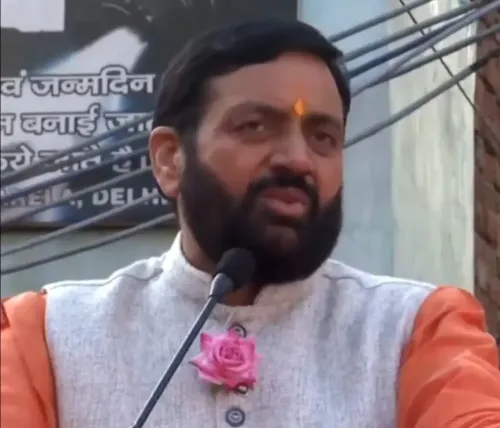
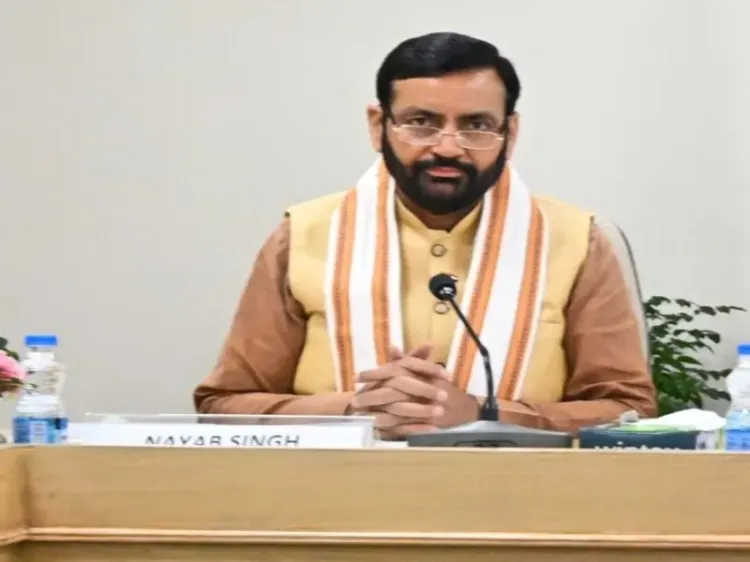
New Delhi, Aug 20 (NationPress) Haryana's Chief Minister Nayab Singh Saini announced on Wednesday the establishment of a joint committee involving senior officials from the Central Water Commission (CWC) alongside representatives from both Haryana and Delhi, aimed at restoring the Yamuna river to its pristine condition, similar to the Ganga.
This committee's mandate extends beyond just cleaning the river; it will also tackle various correlated issues. The Chief Minister made these remarks while addressing the media following a meeting on "Inter-State Coordination Related to Yamuna Water Rejuvenation," which was led by Union Jal Shakti Minister C.R. Paatil.
CM Saini emphasized that since the inauguration of the Delhi government under Rekha Gupta, efforts for developmental initiatives have been accelerated, and implementation is ongoing without delay.
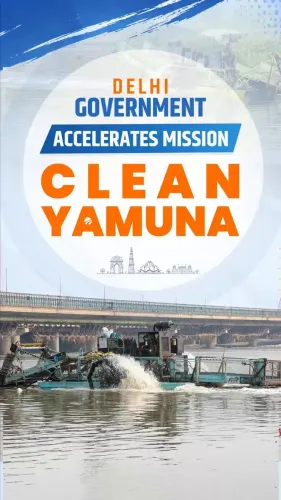
He highlighted that the cleanup operations for the Yamuna are being executed with urgency. The treatment of sewage from drains via sewage treatment plants (STPs) prior to its discharge into the river has seen a marked increase in pace.
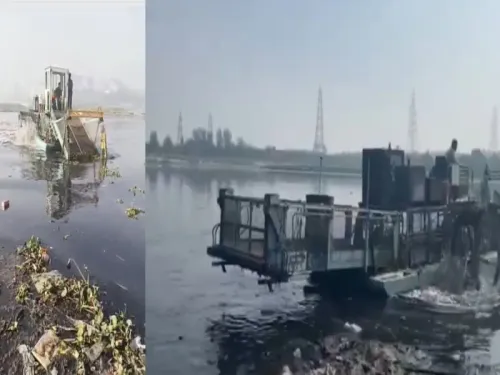
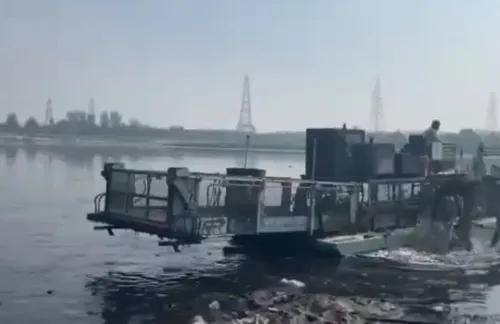
The Chief Minister reported that as part of the current campaign, approximately 16,000 metric tonnes of waste have already been extracted from the Yamuna.
The goal is to ensure the river is clean and pure in alignment with the vision articulated by Prime Minister Narendra Modi.
He assured that revitalizing the Yamuna is a primary concern for both state governments, and the public can anticipate witnessing a rejuvenated river soon.
According to him, the biological oxygen demand (BOD) level of the drain entering the Yamuna from Palla village in Karnal district stands at 80, with measures underway to further refine this water quality. Notably, the BOD levels of Yamuna water at Okhla in Faridabad have shown significant improvement.
To further enhance water quality, 44 STPs have already been constructed, treating around 620 MLD of water daily.
Additionally, nine more STPs are in the process of being established to handle another 510 MLD of water. The Chief Minister stressed that environmental and water-related issues transcend state boundaries, necessitating cooperative efforts from both states to fully cleanse the Yamuna.
He announced that strict actions are being implemented to prevent the direct discharge of polluted water into the river, with directives already issued to relevant authorities.
Furthermore, the expertise and services of representatives from both Delhi and Haryana will be utilized to oversee the Najafgarh Lake and its drainage system.
In addition, the BOD levels of industrial wastewater released from Haryana will be subjected to regular monitoring.
Point of View
It is crucial to recognize the significance of collaborative efforts in addressing environmental issues like river rejuvenation. This initiative reflects a commitment to improving public health and environmental integrity, and it highlights the necessity of inter-state cooperation in tackling challenges that extend beyond borders. Engaging communities and ensuring transparency will be vital for the success of this ambitious project.
NationPress
5 Oct 2026
Frequently Asked Questions
What is the purpose of the joint committee announced by Haryana's CM?
The joint committee aims to clean and rejuvenate the Yamuna River, addressing pollution and improving water quality, similar to the efforts made for the Ganga.
How much garbage has been removed from the Yamuna so far?
Approximately 16,000 metric tonnes of garbage have already been cleared from the Yamuna as part of the ongoing cleanup campaign.
What measures are being taken to treat sewage before it reaches the Yamuna?
The process of treating sewage through sewage treatment plants (STPs) has been significantly accelerated to ensure cleaner water is released into the river.
What role does the Central Water Commission play in this initiative?
The Central Water Commission (CWC) is involved in the joint committee, providing expertise and oversight to ensure effective water management and river rejuvenation.
When can the public expect to see improvements in the Yamuna?
The Chief Minister has assured that the public will soon witness a clean and rejuvenated Yamuna as efforts are prioritized by both governments.