Indian airlines may cut capacity after May ATF revision amid fuel price surge
Synopsis
With ATF duty jumping to ₹42 per litre and the May price revision looming, Indian airlines are quietly preparing for route cuts and frequency reductions. The removal of the 25% monthly price-hike cap could be the tipping point — and short-haul, low-occupancy routes are first in line.
Key Takeaways
Indian airlines are in a wait-and-watch mode ahead of the May 2025 ATF price revision .
Short-haul and low-yield routes face the highest risk of frequency cuts or suspension.
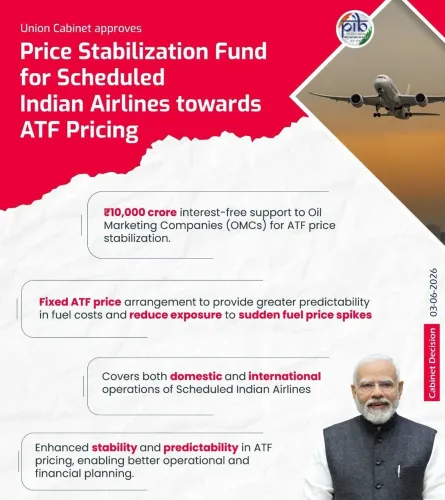
The government has capped monthly ATF price hikes at 25 per cent and cut airport parking and landing charges by 25 per cent .
ATF excise duty has been raised to ₹42 per litre from ₹29.5 per litre by the Ministry of Finance .
India imports over 85 per cent of its fuel needs, heightening exposure to the West Asia crisis .
If the 25% monthly price cap is removed, domestic flight cancellations could rise sharply, according to industry sources.
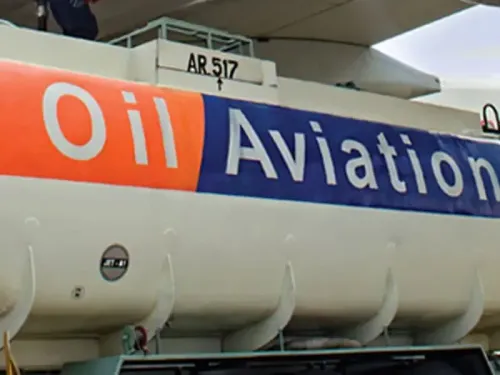
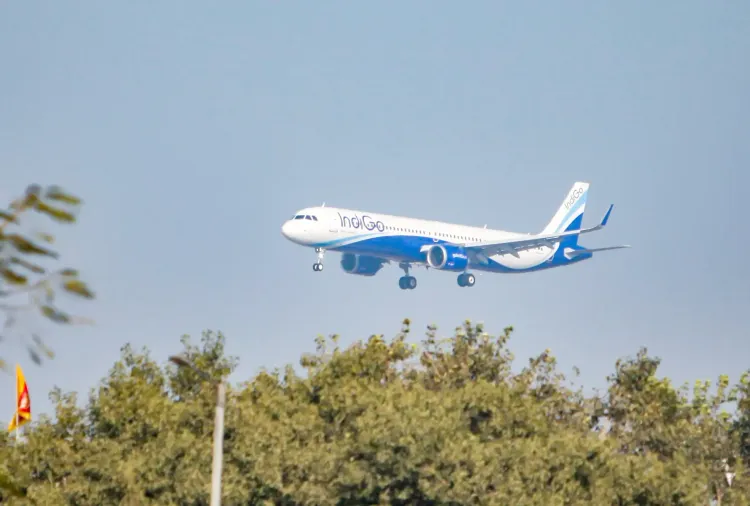
Indian airlines are likely to take a call on capacity reductions following the next Aviation Turbine Fuel (ATF) price revision due in May 2025, as a sharp rise in jet fuel costs could force carriers to rationalise operations — particularly on less profitable routes, according to a report citing industry sources on Tuesday, 28 April.
Wait-and-Watch Mode
Domestic carriers are currently in a cautious holding pattern, closely monitoring ATF price movements before committing to any network or capacity changes, as reported by NDTV Profit. Industry sources indicated that airlines may reduce frequencies on low-yield routes, with short-haul sectors expected to bear the most significant impact if fuel costs rise substantially. Routes with consistently low passenger occupancy are also reportedly under review for potential cuts.
The ATF Price Cap and Its Implications
The government has imposed a 25 per cent cap on monthly ATF price hikes, a measure introduced to cushion the aviation sector from the fallout of the West Asia crisis. However, if this cap is withdrawn, domestic flight cancellations could rise sharply, according to the report. Airlines are simultaneously evaluating multiple scenarios, including changes to the government-imposed ceiling, as they prepare contingency plans for the May revision.
Government Relief Measures
In a bid to ease pressure on the sector, the government has already announced a 25 per cent reduction in parking and landing charges at major airports. These steps are part of a broader effort to shield Indian aviation from the cascading effects of geopolitical disruptions in West Asia, which have already triggered supply concerns in parts of the country.
Notably, India's dependence on oil imports — which account for over 85 per cent of its total fuel needs — makes the sector structurally vulnerable to any sustained disruption in global crude supply chains.
Excise Duty Hike Adds to Pressure
Compounding the challenge, the Ministry of Finance has raised excise duties on petroleum products, including high-speed diesel, with immediate effect. The government also increased the duty on ATF to ₹42 per litre from ₹29.5 per litre earlier — a hike of over 42 per cent. Export duty on petrol remained unchanged at nil. Separately, oil marketing companies have also raised ATF prices, adding further strain to airline operating costs.
What to Watch Next
The May ATF revision will be the critical trigger point for airlines deciding on capacity rationalisation. If fuel prices rise beyond a threshold that erodes already thin margins, route suspensions and frequency cuts on underperforming sectors could materialise quickly. Industry observers will also be watching whether the government extends or modifies the current relief measures beyond April.
Point of View
A fragile demand recovery, and geopolitical supply shocks. The government's relief package is real but asymmetric: a landing-charge discount does not offset a 42% fuel duty jump. The deeper structural issue is India's 85%-plus oil import dependence, which turns every West Asia flare-up into a domestic aviation crisis. If the 25% monthly cap is lifted without a compensating mechanism, the capacity rationalisation will not be voluntary — it will be forced, and smaller cities with thin route economics will feel it first.
NationPress
18 Sept 2026
Frequently Asked Questions
Why are Indian airlines considering capacity cuts in May 2025?
Indian airlines are evaluating capacity reductions ahead of the May 2025 ATF price revision, as rising jet fuel costs — including a government-imposed duty hike to ₹42 per litre — threaten to erode margins on low-yield and short-haul routes. The West Asia crisis has further tightened global fuel supply, adding to pressure.
What is the current government cap on ATF price hikes?
The government has capped monthly ATF price increases at 25 per cent for April 2025 as part of measures to cushion the aviation sector from the West Asia crisis. If this cap is withdrawn, industry sources warn that domestic flight cancellations could rise sharply.
How much has the ATF excise duty increased?
The Ministry of Finance has raised the excise duty on ATF to ₹42 per litre from ₹29.5 per litre — an increase of over 42 per cent — effective immediately, alongside hikes on other petroleum products including high-speed diesel.
Which routes are most at risk of cuts?
Short-haul sectors and routes with consistently low passenger occupancy are considered most vulnerable. Industry sources indicate airlines may reduce frequencies on low-yield routes first if fuel costs rise substantially after the May revision.
What relief measures has the government announced for the aviation sector?
The government has announced a 25 per cent reduction in parking and landing charges at major airports and capped the monthly ATF price increase at 25 per cent for April. These measures are aimed at partially offsetting the impact of the West Asia crisis and rising global crude prices on domestic carriers.