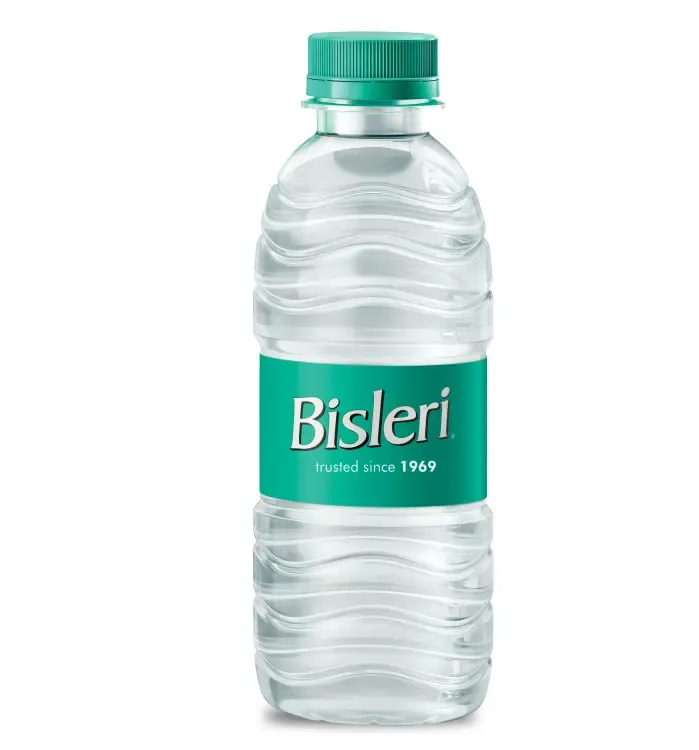
Bisleri contests FSSAI coliform finding, recalls Bengal batch
Synopsis
Bisleri is pushing back against India's food regulator. FSSAI has reportedly sanctioned prosecution after its labs flagged coliform bacteria in a Bengal batch, but the company says two FSSAI-recognised labs cleared the same water. It is the second such action against the brand in a week, and Bisleri now wants the regulator's own testing reviewed.
Key Takeaways
Bisleri International said on 28 November 2026 that it had recalled Batch PB201 from its Telipara plant in Jalpaiguri , West Bengal.
FSSAI prohibited sale of the batch on 12 August 2026 after regulatory tests detected coliform bacteria .
Bisleri says two FSSAI-recognised labs later found the same batch compliant with all applicable norms.
FSSAI has reportedly sanctioned prosecution after its primary and referral labs allegedly confirmed coliform presence.
This is the second prosecution-related action against Bisleri within a week, after a separate case linked to its Goa facility.
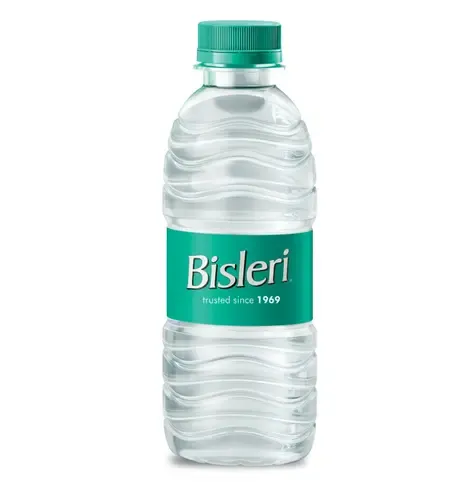
Packaged drinking water maker Bisleri International on Saturday, 28 November 2026, said it had already recalled a batch of water produced at its West Bengal plant on the directions of the Food Safety and Standards Authority of India (FSSAI). The company maintains that independent laboratory tests found the batch compliant with applicable safety norms. Its statement followed reports that the regulator had sanctioned prosecution over a sample collected from its Telipara facility in Jalpaiguri district.
Key Developments
According to Bisleri, Batch PB201 was withdrawn from the market after FSSAI prohibited its sale on 12 August 2026. The company said regulatory testing had detected coliform bacteria in the sample collected by authorities.
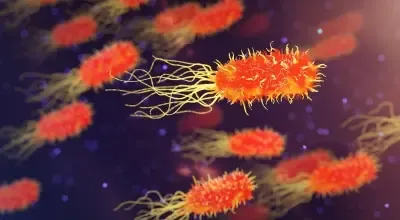
Coliform bacteria are commonly used as an indicator of the microbiological quality of drinking water. Their reported presence is what triggered the regulator's action against the batch.
Bisleri said it later commissioned tests on samples from the same batch at two separate FSSAI-recognised laboratories. Both reportedly concluded that the water met the prescribed standards for coliform bacteria and complied with all other applicable food safety norms.
What Bisleri Said
The company said the gap between the regulator's findings and the independent results warranted a detailed review. “Bisleri calls upon FSSAI to examine the sampling process, testing methodology, laboratory findings and any factors that may have contributed to the variation in results,” the company said.
Bisleri added that it expected the matter to be assessed using standards applied uniformly across the industry. It said it would continue to cooperate fully with the food regulator and remained committed to establishing the facts.
The Regulator's Position
The company's response follows FSSAI's move to permit legal proceedings. Tests by both the primary and referral laboratories allegedly confirmed the presence of coliform bacteria in samples from the West Bengal plant.
According to sources, the regulator's investigations also looked at other parameters, including bromate and certain contaminants. No findings on those parameters have been made public.
A Second Action Within a Week
Notably, this is the second prosecution-related action involving Bisleri within a week. The earlier action concerned a separate matter linked to the company's Goa facility.
Two actions in quick succession against one of India's most widely recognised bottled water brands are likely to draw closer attention to quality control in the packaged drinking water sector. The case also raises the question of how regulatory sampling and private laboratory testing can produce different conclusions about the same batch.
What Happens Next
With prosecution reportedly sanctioned, the dispute is expected to move into legal proceedings. Bisleri's challenge to the testing process could become central to its defence. FSSAI has not yet publicly responded to the company's call for a review of its sampling and laboratory methods.
The outcome could set an important marker for how conflicting lab results are handled in food safety enforcement across the industry.
Point of View
And that is rare in Indian food safety enforcement. If FSSAI's primary and referral labs and two of its own recognised labs can reach opposite conclusions on the same water, the credibility gap hurts both the brand and the regulator. Consumers deserve a transparent account of the sampling and methodology, and they need it more urgently with two cases in a single week.
NationPress
28 Nov 2026
Frequently Asked Questions
Why did Bisleri recall a water batch from West Bengal?
Bisleri recalled Batch PB201 from its Telipara facility in Jalpaiguri after FSSAI prohibited its sale on 12 August 2026. Regulatory testing had detected coliform bacteria in a sample collected by authorities.
Has FSSAI started legal action against Bisleri?
FSSAI has reportedly sanctioned prosecution against Bisleri over the West Bengal sample. The move followed tests by its primary and referral laboratories that allegedly confirmed the presence of coliform bacteria.
What is Bisleri's response to the FSSAI findings?
Bisleri says two FSSAI-recognised laboratories it commissioned found the same batch compliant with coliform standards and all other food safety norms. It has asked FSSAI to examine its sampling process, testing methodology and laboratory findings.
Is this the first action against Bisleri?
No. This is the second prosecution-related action involving Bisleri within a week, following a separate matter linked to its Goa facility.
What else did FSSAI reportedly test for?
According to sources, the regulator's investigations also examined other parameters, including bromate and certain contaminants. Findings on these have not been made public.