Rs 5,000 Crore Airline Relief: Centre Eyes ECLGS Credit Scheme

Synopsis
India's Centre is weighing a Rs 5,000 crore ECLGS-backed credit lifeline for airlines — capping support at Rs 1,000 crore per carrier with a 90% government guarantee over five years. It's part of a massive Rs 2.5 lakh crore relief framework as Middle East tensions drive jet fuel costs skyward.
Key Takeaways
The Centre is considering a Rs 5,000 crore credit support scheme for the aviation sector under the ECLGS framework , as reported by NDTV Profit.
Individual airlines may access up to Rs 1,000 crore each , with the government offering a 90 per cent loan guarantee over a five-year period .
The aviation relief is part of a broader Rs 2.5 lakh crore multi-sector relief package being developed by the government to counter geopolitical economic shocks.
Civil Aviation Minister Ram Mohan Naidu has separately announced a 25 per cent reduction in landing and parking charges for domestic airlines at major airports.
Rising jet fuel prices driven by the US-Iran conflict and Middle East tensions are the primary trigger for the proposed aviation relief measures.
The ECLGS framework was originally launched in May 2020 as a COVID-19 relief tool and has been expanded multiple times since to cover new sectors.
The Indian government is actively evaluating a Rs 5,000 crore credit support package for the aviation sector as part of a sweeping Rs 2.5 lakh crore relief framework designed to shield key industries from the economic fallout of escalating global geopolitical tensions, according to a report by NDTV Profit. The proposed scheme is expected to be channelled through the Emergency Credit Line Guarantee Scheme (ECLGS) framework, offering a structured lifeline to cash-stressed domestic airlines.
Key Features of the Proposed Airline Credit Scheme
Under the proposed plan, individual airlines may be permitted to access up to Rs 1,000 crore each through the government-backed credit line. The scheme is designed to run for a period of five years, with provisions for a possible extension depending on prevailing economic conditions.
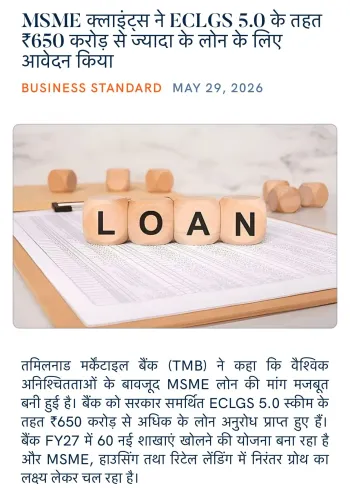
Crucially, the government is considering offering a 90 per cent guarantee on loans disbursed under this facility — a significant backstop that would substantially de-risk lending by banks and financial institutions to the aviation sector. This level of guarantee mirrors the aggressive support extended to MSMEs and other sectors during the COVID-19 pandemic under the original ECLGS framework launched in 2020.
Why the Aviation Sector Needs Emergency Support
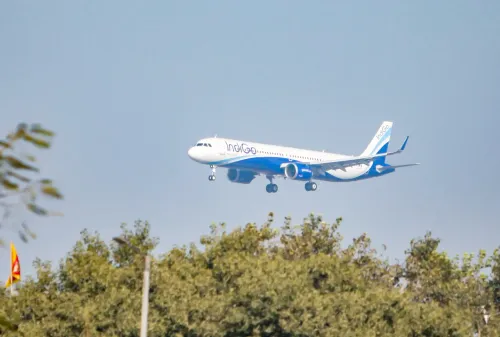
The aviation industry remains one of the most geopolitically sensitive sectors in the Indian economy, acutely vulnerable to jet fuel price volatility, route disruptions, and global demand shocks. The ongoing US-Iran conflict and broader Middle East tensions have pushed crude oil prices higher, directly inflating Aviation Turbine Fuel (ATF) costs — which typically account for 35–40 per cent of an airline's total operating expenses in India.
Indian carriers, already navigating a fragile recovery post-pandemic, are now facing a renewed squeeze on margins. The proposed credit scheme would provide operational liquidity to airlines without requiring them to raise expensive market debt or dilute equity.
Part of a Broader Rs 2.5 Lakh Crore Relief Package
The airline-specific relief is not an isolated measure. Sources indicate that the Centre is working on an expansive Rs 2.5 lakh crore multi-sector support package targeting industries most exposed to global disruptions. Aviation is one of several sectors — alongside exports, logistics, and manufacturing — expected to benefit from this broader crisis framework.
This approach reflects a deliberate policy shift: rather than reactive, sector-by-sector bailouts, the government appears to be building a pre-emptive, structured credit buffer that can be deployed rapidly if geopolitical conditions deteriorate further.
Civil Aviation Ministry's Concurrent Reforms
The relief proposal comes alongside a series of proactive measures from the Ministry of Civil Aviation. Civil Aviation Minister Ram Mohan Naidu recently announced a 25 per cent reduction in landing and parking charges for domestic airlines at major airports — a direct intervention to prevent the Middle East-driven fuel cost spike from translating into higher airfares for passengers.
Separately, the Ministry released the second phase of DGCA-approved Flying Training Organisation (FTO) rankings for April 2026, with the ranking framework developed under Minister Naidu's guidance aimed at strengthening transparency, accountability, and safety standards across flying training institutes nationwide. One institute was elevated to the top 'A' category in this latest assessment cycle.
Historical Context and What This Means Going Forward
Notably, the ECLGS was first introduced in May 2020 as an emergency COVID-19 response measure and has since been expanded multiple times to cover new sectors and higher credit limits. Its redeployment for aviation amid geopolitical stress signals that New Delhi views the current global uncertainty with a severity comparable to the pandemic-era economic shock.
Critics may argue that the aviation sector — dominated by a handful of large private carriers — should not be the primary beneficiary of public credit guarantees when smaller sectors with broader employment bases remain underserved. However, proponents point out that aviation's multiplier effect on tourism, trade, and logistics justifies priority support.
With global oil markets remaining unpredictable and no clear resolution in sight for Middle East geopolitical tensions, the Indian government's next steps will be closely watched by airline investors, lenders, and passengers alike. The formal rollout of the ECLGS-linked aviation relief scheme — and the broader Rs 2.5 lakh crore package — is expected to be announced in the coming weeks.
Point of View
However, is the scale: a Rs 2.5 lakh crore multi-sector buffer signals that New Delhi is preparing for a potentially protracted period of global instability, not a short-term blip. The 90 per cent government guarantee is generous, and policymakers must ensure that this credit reaches operationally viable carriers rather than becoming a mechanism to delay inevitable consolidation. The parallel reform push — FTO rankings, reduced airport charges — suggests the Ministry of Civil Aviation is at least attempting to pair relief with structural accountability.
NationPress
19 Sept 2026
Frequently Asked Questions
What is the Rs 5,000 crore airline relief scheme being considered by the Indian government?
The Indian government is evaluating a Rs 5,000 crore credit support scheme for airlines under the Emergency Credit Line Guarantee Scheme (ECLGS) framework. Each airline may access up to Rs 1,000 crore, with a 90 per cent government guarantee on loans, running for five years with a possible extension.
Why is the Centre offering relief to the aviation sector in 2025?
Escalating geopolitical tensions, particularly the US-Iran conflict and broader Middle East instability, have driven up crude oil and jet fuel prices, squeezing airline margins. The government is offering credit support to prevent financial distress in the aviation sector and keep airfares stable for passengers.
What is the ECLGS and how does it work for airlines?
The Emergency Credit Line Guarantee Scheme (ECLGS) is a government-backed credit facility originally launched during COVID-19 in 2020 to provide collateral-free loans to stressed sectors. Under the proposed aviation extension, airlines can borrow from banks with the government guaranteeing up to 90 per cent of the loan amount.
How much relief can each Indian airline get under the proposed scheme?
Under the proposed scheme, each individual airline may be eligible for a credit line of up to Rs 1,000 crore. The total outlay for the aviation sector under this plan is capped at approximately Rs 5,000 crore.
What other aviation relief measures has the government announced recently?
Civil Aviation Minister Ram Mohan Naidu announced a 25 per cent cut in landing and parking charges for domestic airlines at major airports to offset rising jet fuel costs. The Ministry also released updated DGCA-approved Flying Training Organisation (FTO) rankings for April 2026 to strengthen training standards.