Record E-Way Bill Generation Reaches 140.6 Million in March 2026
Synopsis
E-way bill generation in India has surged by 13% year-on-year to 140.6 million in March 2026, signaling robust economic activity. This rise coincides with reduced GST rates that have spurred consumer demand, reflecting a resilient economy despite global uncertainties.
Key Takeaways
E-way bill generation reached 140.6 million in March 2026.
13% increase year-on-year reflects economic activity.
GST collections rose to Rs 1.78 lakh crore.
Private consumption projected to grow by 7.7%.
RBI forecasts 6.9% GDP growth for 2026-27.
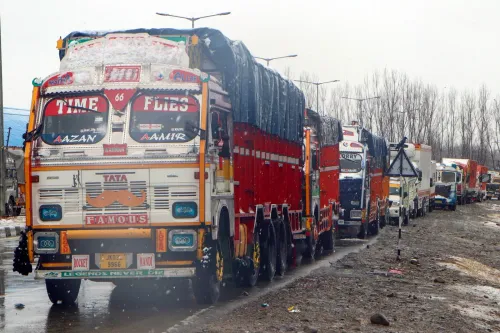
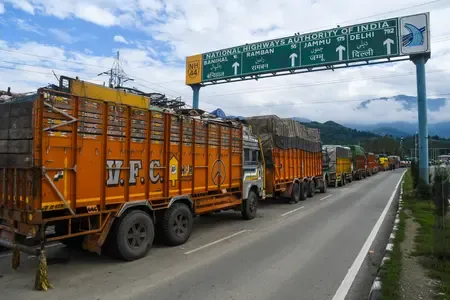
New Delhi, April 10 (NationPress) The generation of e-way bills has seen an impressive 13% year-on-year growth in March this year, reaching a historic peak of 140.6 million—a clear indicator of the vibrant economic activity within the nation, as reported by the Goods and Services Tax Network (GSTN) on Friday.
In addition to the yearly increase, e-way bill generation also rose by 6.04% month-on-month compared to 132.59 million recorded in February.
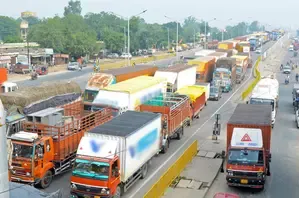
An e-way bill is a digital document required under the GST framework for transporting goods worth more than Rs 50,000. It includes essential details about the shipment, such as the consignor, consignee, and transporter, facilitating real-time tracking of goods across states to ensure tax compliance.
This notable growth follows significant reductions in GST rates across various sectors in September, spurring demand for goods that have become more affordable.
The heightened flow of goods and services is also mirrored in GST revenues, which climbed to Rs 1.78 lakh crore in March 2026, showcasing a growth of 8.2% compared to the same period last year. This increase in collections, despite lower GST rates, suggests a strengthening of consumer demand within the economy.
Gross GST collections for March exceeded Rs 2 lakh crore, marking an 8.8% rise from Rs 1.83 lakh crore in March 2025.
The Ministry of Statistics' Second Advance Estimates, released on February 27, predicts a 7.7% growth in Private Final Consumption Expenditure (PFCE) in real terms for 2025–26, up from 5.8% in 2024–25.
During its monetary policy review on April 8, the Reserve Bank of India (RBI) emphasized that strong private consumption is a pivotal factor driving growth momentum. RBI Governor Sanjay Malhotra stated that growth impulses are being sustained by robust consumer spending and investment.
Despite global uncertainties stemming from conflicts in the Middle East, the RBI has forecasted India's real GDP growth at 6.9% for the financial year 2026-27, highlighting ongoing resilience underpinned by strong domestic consumption and investment.
Point of View
It’s evident that the Indian economy is witnessing a significant uptick in activity. The 13% year-on-year growth reflects not just consumer confidence but also effective policy adjustments. The positive trend in GST collections further reinforces this optimism. However, the global landscape remains complex, and ongoing monitoring will be essential.
NationPress
19 Sept 2026
Frequently Asked Questions
What is an e-way bill?
An e-way bill is an electronically generated document required under the GST system for the transportation of goods valued above Rs 50,000, facilitating real-time tracking and ensuring tax compliance.
How much did e-way bill generation increase in March 2026?
E-way bill generation increased by 13% year-on-year in March 2026, reaching a total of 140.6 million.
What are the implications of rising e-way bill numbers?
The rise in e-way bills indicates heightened economic activity and consumer demand, reflecting a strengthening economy despite challenges.
How do GST collections relate to e-way bills?
GST collections are a direct reflection of economic activity, and the rise in e-way bills often correlates with increased GST revenues, indicating stronger consumer spending.
What is the projected GDP growth for India in 2026-27?
The Reserve Bank of India has projected India's real GDP growth at 6.9% for the financial year 2026-27.