EPFO reforms 2026: SWP, lower PF balance rule and faster withdrawals explained

Synopsis
EPFO's 240th CBT meeting delivered its most member-friendly reform package in years — a voluntary SWP that lets retirees draw down savings in instalments, a minimum balance requirement halved to 10%, and the final withdrawal wait slashed from 12 months to just 2. With 6.32 lakh members over 55 immediately in scope, this quietly rewrites India's retirement income architecture.
Key Takeaways
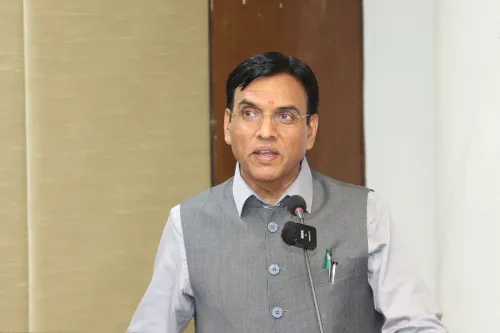
EPFO approved a Systematic Withdrawal Plan (SWP) at the 240th CBT meeting on 19 November 2026 , chaired by Labour Minister Dr Mansukh Mandaviya .
The SWP allows retiring members to receive PF savings as monthly, quarterly, or half-yearly instalments; it is entirely voluntary.
Approximately 6.32 lakh members aged above 55 years with over ₹5 lakh in PF are the primary initial beneficiaries.
Minimum PF balance requirement cut from 25% to 10% ; final withdrawal waiting period reduced from 12 months to 2 months .
EDLI Scheme amended to give eligible establishments a six-month window to clear legacy exemption cases.
EPFO given in-principle approval to invest up to 3% of fresh accretion in government-backed Alternative Investment Funds .
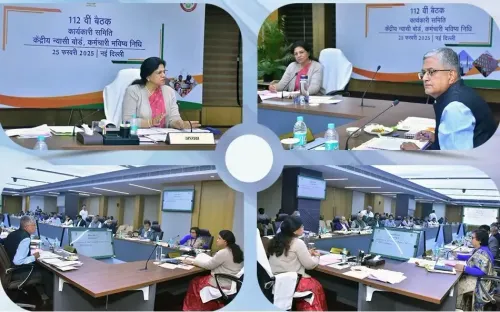
The Employees' Provident Fund Organisation (EPFO) on Thursday, 19 November 2026, approved a clutch of reforms at the 240th meeting of the Central Board of Trustees (CBT) in New Delhi, chaired by Labour Minister Dr Mansukh Mandaviya. The changes — including a new Systematic Withdrawal Plan (SWP), a reduced minimum PF balance requirement, and a sharply shorter waiting period for final withdrawals — are set to reshape retirement planning for millions of provident fund members across India.
Systematic Withdrawal Plan: What It Is and Who Benefits
The most significant reform is the introduction of the Systematic Withdrawal Plan (SWP), which allows retiring EPF members to receive their accumulated savings in periodic instalments — monthly, quarterly, or half-yearly — rather than withdrawing the entire corpus in a single payout. The facility is entirely voluntary; members face no compulsion to opt in.
Crucially, the remaining corpus continues to generate returns during the drawdown period, supplementing pension benefits and reducing the risk of members outliving their savings. In the event of a member's death during the payout period, the nominee or dependent can either withdraw the remaining balance or continue receiving periodic payments, providing an additional layer of family security.
Approximately 6.32 lakh EPF members aged above 55 years with provident fund accumulations exceeding ₹5 lakh are expected to be the primary beneficiaries during the initial phase, according to the Labour Ministry. The option may also be extended to eligible family members and beneficiaries over time.
Minimum Balance and Withdrawal Waiting Period Cut
The CBT also approved two changes aimed at easing liquidity for members. The minimum PF balance requirement for withdrawals has been slashed from 25 per cent to 10 per cent of the total corpus, giving members access to a significantly larger share of their savings. Simultaneously, the waiting period for final withdrawal has been reduced from 12 months to just 2 months.
The Labour Ministry said the changes are designed to deliver greater financial flexibility while still safeguarding long-term social security interests — a balance regulators have historically struggled to strike. This is notably the second major round of EPFO operational reforms in two years, following earlier moves to digitise claims and expand coverage.
EDLI Scheme Amendments and Legacy Exemption Relief
The Board approved amendments to the EDLI (Employees' Deposit Linked Insurance) Scheme, 2026, to clear a backlog of pending legacy exemption cases. Eligible establishments will receive a six-month window to renew expired exemptions, along with relief from contributions, interest, and penal damages for a verified transitional period.
The amendments are intended to resolve longstanding cases originating under the earlier EDLI Scheme, 1976, and address procedural difficulties faced by establishments that maintained group insurance policies for employees but could not complete formal exemption or renewal procedures in time. 27 establishments seeking surrender of exemption and 4 establishments facing cancellation of exemption were also reviewed at the meeting.
EPFO to Invest Up to 3% in Alternative Investment Funds
In a move to diversify its investment portfolio, the Board gave in-principle approval to permit investment of up to 3 per cent of fresh accretion in eligible Alternative Investment Funds (AIFs), within the existing overall investment ceiling. The investments will initially be routed through government-backed entities, with prescribed safeguards and investment oversight in place.
Analysts note this marks a cautious but meaningful shift for EPFO, which has traditionally confined its corpus to government securities and equity index funds. The move could improve long-term returns for members, though the AIF route carries higher risk than conventional fixed-income instruments.
What Comes Next
Implementation timelines for the SWP and revised withdrawal norms are yet to be formally notified. The Labour Ministry is expected to issue operational guidelines and an implementation roadmap in the weeks ahead. For India's gig and platform workers — a population EPFO has been progressively trying to bring under formal social security cover — the SWP framework represents a potential on-ramp to structured retirement planning for the first time.
Point of View
Reduces reinvestment risk for retirees, and keeps the corpus productive longer. But the real test is uptake: India's PF members have historically preferred full withdrawals at retirement, often because they distrust the system's ability to pay reliably on a schedule. Halving the minimum balance threshold to 10% and cutting the waiting period to two months are operationally welcome, yet they also marginally weaken the 'lock-in' that gives the fund its long-term investment muscle. The 3% AIF allocation is a reasonable diversification step, but EPFO's governance track record on new asset classes warrants close parliamentary and audit scrutiny before the ceiling is raised further.
NationPress
19 Nov 2026
Frequently Asked Questions
What is the EPFO Systematic Withdrawal Plan (SWP)?
The EPFO SWP is a voluntary facility approved on 19 November 2026 that allows retiring EPF members to receive their accumulated provident fund savings as periodic instalments — monthly, quarterly, or half-yearly — instead of a single lump-sum payout. The remaining corpus continues to earn returns during the drawdown, supplementing pension income.
Who is eligible for the EPFO SWP in the initial phase?
Approximately 6.32 lakh EPF members aged above 55 years with provident fund accumulations exceeding ₹5 lakh are the primary target beneficiaries in the initial phase. The option may also be extended to eligible family members and beneficiaries over time.
What are the new PF balance and withdrawal waiting period rules?
The minimum balance requirement for EPF withdrawals has been reduced from 25% to 10% of the total corpus, allowing members to access more of their savings earlier. The waiting period for final withdrawal has also been cut sharply, from 12 months to just 2 months.
What changes were made to the EDLI Scheme at the CBT meeting?
The Board approved amendments to the EDLI Scheme, 2026, giving eligible establishments a six-month window to renew expired exemptions and providing relief from contributions, interest, and penal damages for a verified transitional period. The amendments are aimed at resolving long-pending legacy exemption cases dating back to the earlier EDLI Scheme, 1976.
Will EPFO now invest in Alternative Investment Funds?
Yes, the CBT gave in-principle approval to invest up to 3% of fresh accretion in eligible Alternative Investment Funds, initially routed through government-backed entities and subject to prescribed safeguards. The move is intended to diversify EPFO's portfolio and potentially improve long-term returns for members.