Will the EU FTA Level the Playing Field for Indian Textiles Against Bangladesh and Vietnam?
Synopsis
The India-EU Free Trade Agreement could revolutionize the textile industry by eliminating tariffs, allowing Indian shipments to compete effectively against major players like Bangladesh and Vietnam. This move is expected to boost exports and enhance India's standing in global markets.
Key Takeaways
India-EU FTA eliminates tariffs , leveling the playing field for Indian textiles.
Zero import duties are expected to enhance competitiveness .
The textile sector is projected to grow significantly, with exports reaching over $16 billion by 2025.
Prior structural disadvantages faced by Indian exporters are being addressed.
The agreement could act as a catalyst for long-term investments in the textile value chain.
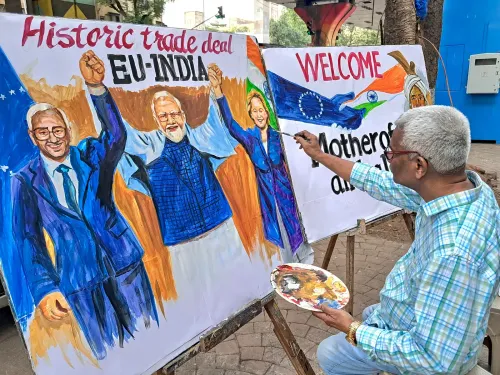
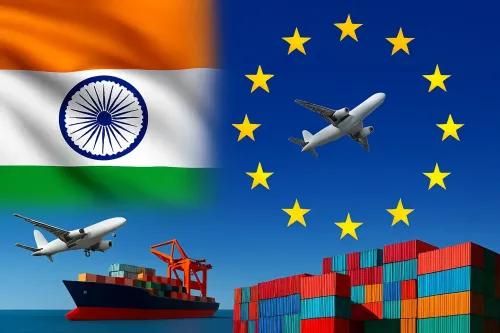
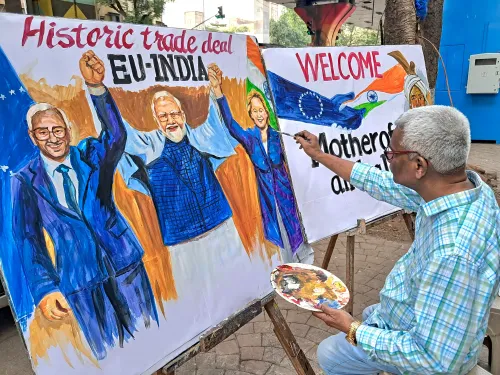
New Delhi, Feb 7 (NationPress) The India-EU Free Trade Agreement (FTA) abolishes tariffs, enabling Indian exports to compete fairly with significant rivals such as Bangladesh and Vietnam, according to a recent analysis.
This agreement is anticipated to reduce EU import tariffs on Indian textiles to zero, addressing a long-standing tariff disadvantage that has hampered India’s competitive edge in the sector.
The ICRA report highlights that the previous preferential access and reduced tariffs allowed competing nations to establish a more robust presence in the EU market, while Indian exporters faced structural pricing challenges.
Traditionally, India's import share in the EU has been under 5%, with China, Bangladesh, Turkey, and Vietnam dominating the supply to the region.
Before the agreement, Indian exporters were at a structural disadvantage due to preferential trade access and lower tariffs.
By 2025, India’s apparel exports are projected to exceed $16 billion, with nearly a third directed to the US and about 23% to the EU, making Europe a key market for this sector.
Nevertheless, exports to the EU have remained stagnant in recent years due to sluggish retail demand, inflationary trends, and vendor diversification by global buyers, as noted in the ICRA report.
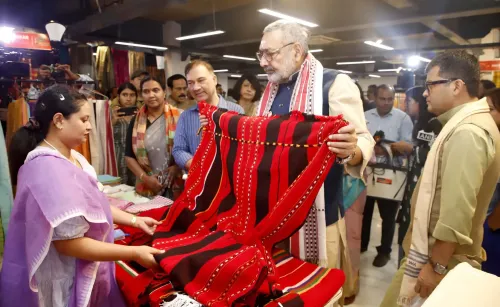
The India-EU FTA is expected to particularly benefit the apparel and home textile sectors, which will gain from tariff-free access.
“The elimination of duties is likely to boost price competitiveness, create more sourcing opportunities for European retailers, and enhance India’s position in European supply chains. The report emphasizes that this agreement could serve as a structural catalyst for export growth, enhanced competitiveness, and long-term investments throughout the textile value chain,” the report stated.
The extensive market access is likely to fortify labor-intensive sectors like textiles while improving India’s integration into global value chains.
Point of View
It is evident that the India-EU FTA is a significant milestone for the Indian textile industry. This agreement not only paves the way for fair competition but also strengthens India's position in global supply chains. The nation stands to benefit substantially from enhanced trade relations with Europe, fostering growth in a vital sector.
NationPress
15 Sept 2026
Frequently Asked Questions
What is the India-EU Free Trade Agreement?
The India-EU Free Trade Agreement is a treaty that eliminates tariffs on goods traded between India and the European Union, particularly benefiting sectors like textiles.
How will the FTA impact Indian textile exports?
The FTA is expected to reduce EU import duties on Indian textiles to zero, enhancing competitiveness and increasing export opportunities.
Which countries are considered key competitors for Indian textiles?
Key competitors for Indian textiles include Bangladesh and Vietnam, both of which have previously enjoyed preferential trade access.
What are the projected outcomes for Indian apparel exports by 2025?
India’s apparel exports are estimated to exceed $16 billion by 2025, with significant portions directed to both the EU and the US.
Why has EU demand for Indian textiles been limited historically?
Historically, the EU's import dependence on India has been below 5%, primarily due to structural pricing constraints and competition from other countries.