Gemini Edibles & Fats IPO: Freedom Oils maker flags raw material, regional risks in DRHP
Synopsis
Gemini Edibles & Fats, the maker of Freedom Oils, has laid bare a striking risk profile ahead of its IPO: crude edible oil makes up 97.5% of material costs, nearly 90% of supply is imported from geopolitically sensitive regions, all three refineries sit in Andhra Pradesh, and the company had received 39 food safety notices as of mid-2021. The offering is a pure offer for sale — no fresh capital enters the business.
Key Takeaways
Gemini Edibles & Fats India Ltd filed a DRHP with SEBI for an IPO structured as an offer for sale of up to 4.11 crore equity shares — no fresh issue.
Crude edible oil accounted for 97.5 per cent of materials and related costs in each of the three financial years ended March 2021 .
The 10 largest crude edible oil suppliers contributed 90.8 per cent of purchases in fiscal 2021, signalling high supplier concentration.
About 89.5 per cent of edible oil purchase cost in fiscal 2021 was import-linked, with key sourcing from Ukraine , Russia , Argentina , Indonesia , and Malaysia .
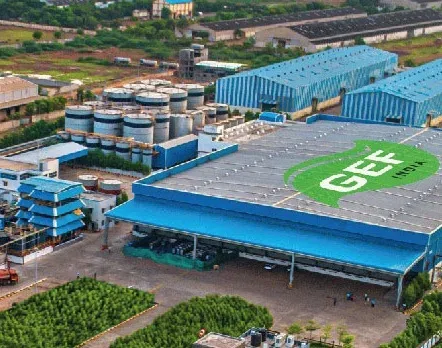
All three refineries are in Andhra Pradesh ; the southern region generated 85.6 per cent of revenue from operations in fiscal 2021.
As of 30 June 2021 , the company had received 39 notices from food safety authorities over alleged sub-standard or misbranded products.
Gemini Edibles & Fats India Ltd, the Hyderabad-based maker of the Freedom Oils brand, has disclosed a wide range of material risks in its draft red herring prospectus (DRHP) filed with the Securities and Exchange Board of India (SEBI) for its proposed initial public offering (IPO). The offering is structured entirely as an offer for sale of up to 4.11 crore equity shares by existing shareholders, with no fresh issue of capital.
Raw Material Exposure and Supply Chain Risks
The company's single largest vulnerability is its dependence on crude edible oil, which accounted for approximately 97.5 per cent of its materials and related costs in each of the three financial years ended March 2021. Materials and related costs, in turn, represented more than 92 per cent of total expenses, according to the DRHP.
Crude edible oil prices are subject to volatility driven by weather patterns, crop yields, currency movements, government policy shifts, global inventories, and geopolitical developments — all factors outside the company's direct control.
Supplier concentration compounds this risk. The company's 10 largest crude edible oil suppliers accounted for 90.8 per cent of purchases in fiscal 2021, leaving the business exposed to potential supply disruptions and adverse pricing if any key relationship deteriorates.
Import Dependence and Geopolitical Vulnerability
About 89.5 per cent of the company's edible oil purchase cost in fiscal 2021 was linked to imports. Crude sunflower oil is sourced primarily from Ukraine, Russia, and Argentina, while crude palm oil comes largely from Indonesia and Malaysia.
This import profile makes the company susceptible to currency fluctuations, geopolitical disruptions, natural disasters, and elevated shipping costs — risks that have proven particularly acute in the years since the DRHP's reference period, given the conflict in the Black Sea region.
Regional Concentration in Andhra Pradesh
All three of the company's refineries are located in Andhra Pradesh. The southern region accounted for 85.6 per cent of revenue from operations in fiscal 2021, with Odisha contributing a further 10.3 per cent.
The DRHP warns that floods, cyclones, social or political disruptions, and changes in state government policies in these regions could adversely affect business operations. The geographic concentration means a single localised event could have an outsized impact on overall performance.
Regulatory and Food Safety Risks
Food safety compliance is flagged as a material concern. As of 30 June 2021, the company had received 39 notices from food safety authorities, with allegations including that product samples were sub-standard or misbranded.
The company cautioned that product contamination, labelling errors, or recalls could trigger regulatory action, litigation, reputational damage, and financial losses — risks that carry particular weight in a consumer-facing food business.
Other Risks and Customer Concentration
The DRHP also flags intense competition in the edible oils market, dependence on key industrial customers, manufacturing disruptions, outstanding legal proceedings, adequacy of insurance coverage, and reliance on third-party transportation providers.
The company's top 10 industrial customers accounted for 68.7 per cent of revenue from its industrial consumer vertical in fiscal 2021, indicating significant customer concentration on that side of the business. Potential conflicts of interest involving promoters and directors are also noted as a risk factor.
With SEBI's review of the DRHP pending, the timeline and pricing of the IPO are yet to be determined.
Point of View
Nearly 90% of that input is imported from geopolitically volatile origins, and all refining capacity sits in one state is not merely exposed to risk; it is concentrated in it. The 39 food safety notices are a separate concern that investors will need to weigh against the brand equity of Freedom Oils. Critically, because this is a pure offer for sale, none of the IPO proceeds flow back into the company to address any of these vulnerabilities — a point that deserves more scrutiny than it typically receives in headline coverage of new filings.
NationPress
7 Oct 2026
Frequently Asked Questions
What is the Gemini Edibles & Fats IPO?
It is a proposed initial public offering by Gemini Edibles & Fats India Ltd, the Hyderabad-based maker of the Freedom Oils brand, structured entirely as an offer for sale of up to 4.11 crore equity shares by existing shareholders. No fresh shares are being issued, meaning the company will not receive any proceeds from the offering.
What are the main risks flagged in the Gemini Edibles DRHP?
The DRHP flags raw material price volatility, high supplier concentration, heavy import dependence from geopolitically sensitive regions, geographic concentration of all three refineries in Andhra Pradesh, food safety regulatory notices, and customer concentration in its industrial vertical.
How dependent is Gemini Edibles on imported edible oil?
About 89.5 per cent of the company's edible oil purchase cost in fiscal 2021 was linked to imports. Crude sunflower oil is sourced primarily from Ukraine, Russia, and Argentina, while crude palm oil comes largely from Indonesia and Malaysia.
What food safety issues has Gemini Edibles disclosed?
As of 30 June 2021, the company had received 39 notices from food safety authorities, with allegations including that product samples were sub-standard or misbranded. The company has warned that contamination, labelling errors, or recalls could lead to regulatory action, litigation, and reputational damage.
Why does regional concentration matter for Gemini Edibles investors?
All three of the company's refineries are in Andhra Pradesh, and the southern region accounted for 85.6 per cent of revenue from operations in fiscal 2021. This means a localised event such as a cyclone, flood, or adverse policy change in Andhra Pradesh could have an outsized impact on the company's overall business.