Gold, silver prices in H2 2026: Tax shifts, customs hikes to drive bullion volatility
Synopsis
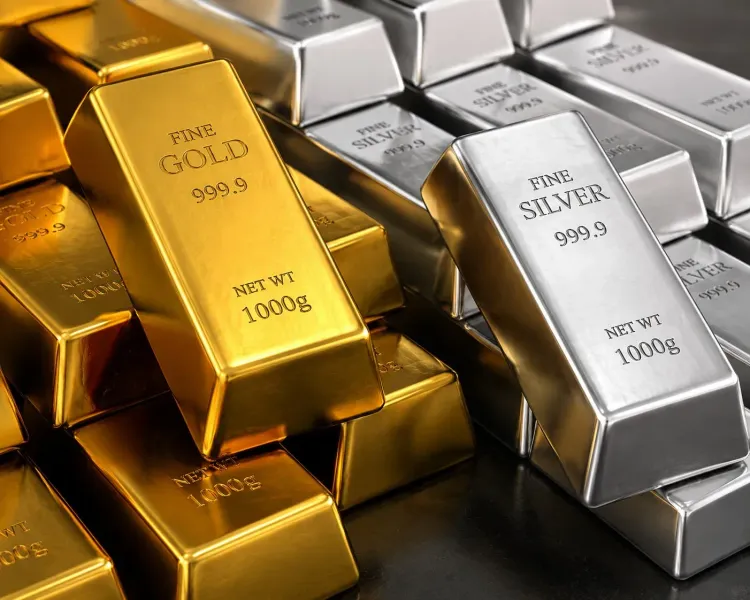
Gold hit an all-time high of ₹1,70,480 per 10 grams in January 2026 before shedding nearly ₹28,000 by late June. The GJC's H2 outlook is cautious: customs duty hikes, unresolved GST burdens, and geopolitical uncertainty will keep prices volatile, while the festive season is the industry's best near-term hope for a demand revival.
Key Takeaways
Gold peaked at ₹1,70,480 per 10 grams in January 2026 , correcting to approximately ₹1,42,800 by late June.
Silver crossed ₹4,02,490 per kilogram in January before easing to roughly ₹2,25,940 by late June.
A customs duty hike in May 2026 pushed domestic prices higher and weighed on retail jewellery demand.
The All India Gem & Jewellery Domestic Council (GJC) flagged taxation changes, geopolitical risks, and Gold Monetisation Scheme reforms as key H2 2026 factors.
Jewellery demand is expected to remain subdued, with the festive and wedding season in H2 seen as the primary demand revival catalyst.
Consumers are increasingly shifting toward lightweight jewellery amid affordability pressures and changing fashion preferences.
Taxation changes, customs duty revisions, and global geopolitical tensions are set to be the primary drivers of bullion prices in the second half of 2026, according to a report released on Thursday, 2 July by the All India Gem & Jewellery Domestic Council (GJC). Prices are expected to remain volatile with possible consolidation following sharp corrections from historic highs recorded earlier in the year.
Historic Peaks and Sharp Corrections in H1 2026
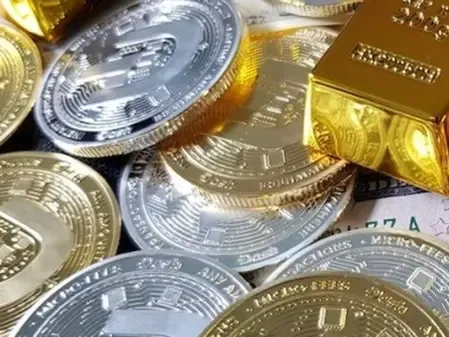
Gold prices surged to a record ₹1,70,480 per 10 grams in January 2026 before retreating to approximately ₹1,42,800 per 10 grams by late June. Silver similarly crossed ₹4,02,490 per kilogram in January, easing to roughly ₹2,25,940 per kilogram by late June. The GJC report noted that these wide swings pushed investors toward safe-haven buying even as jewellery demand softened due to affordability pressures.
The first six months of 2026 were, by the council's assessment, marked by extraordinary peaks followed by corrections that fundamentally reshaped both consumer sentiment and the broader industry outlook.
Customs Duty Hike and GST Burden Weigh on Retail
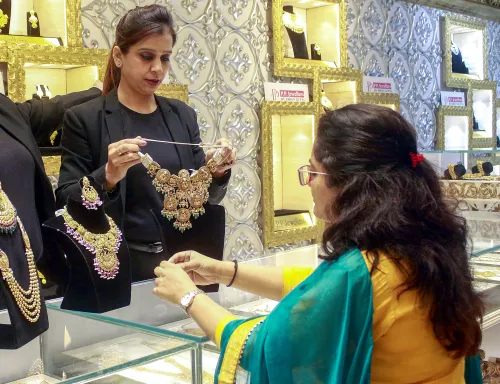
A customs duty increase announced in May 2026 pushed domestic bullion prices higher and weighed on retail demand, according to the GJC report. The compounding effect of GST compliance requirements continued to challenge dealer margins, prompting renewed industry calls for rationalisation of the tax structure.
The council also reiterated its advocacy for reforms to the Gold Monetisation Scheme (GMS), arguing that unlocking the value of idle household gold could reduce India's import dependency and strengthen domestic supply chains — a structural argument the industry has made for several years without decisive policy response.
Jewellery Demand: Subdued but Festive Season Offers Hope
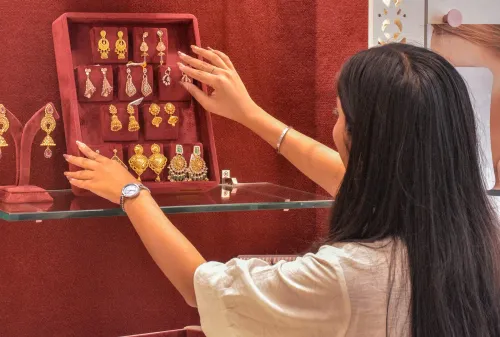
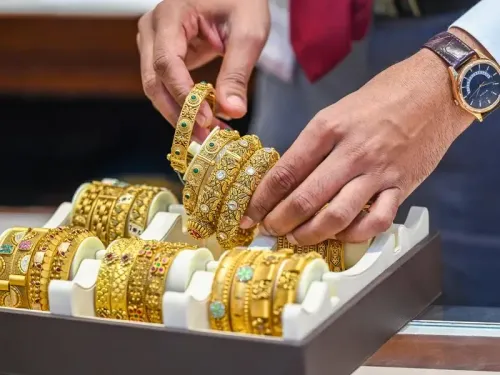
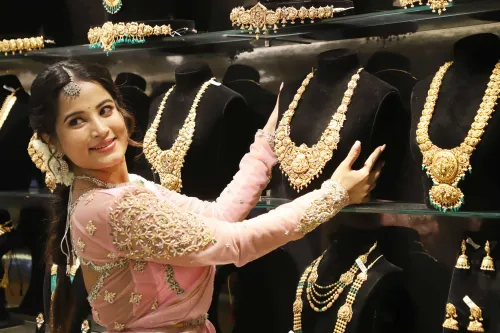
Jewellery demand is expected to remain subdued in the near term, though the upcoming festive and wedding season in the second half of the year is seen as a potential catalyst for revival, particularly in lightweight jewellery categories. The GJC observed that consumers are increasingly gravitating toward lighter designs, reflecting both budgetary constraints and evolving fashion preferences.
Rajesh Rokde, Chairman of GJC, said: 'Looking ahead, the upcoming festive season and the peak wedding calendar in the second half of the year are expected to provide strong support to jewellery demand, particularly in lightweight categories.' He added that India's deep emotional connection with gold would ensure market resilience despite ongoing volatility.
Global Factors: Dollar Strength and Rate Expectations
Rokde attributed the recent correction in bullion prices to profit-taking, a strengthening US dollar index, and market expectations of prolonged high interest rates globally. He noted that safe-haven demand had also eased as geopolitical tensions that triggered a surge earlier in the year cooled somewhat. Retail prices, however, have remained elevated even as futures markets corrected — a divergence that continues to challenge end consumers.
What to Watch in H2 2026
The industry is closely watching for government clarity on potential tax adjustments and meaningful reforms to the Gold Monetisation Scheme. Geopolitical risks remain a wildcard — any renewed escalation could trigger fresh safe-haven buying and push prices back toward earlier highs. The festive season trajectory and any further customs duty movement will be the two domestic variables most likely to determine how H2 2026 unfolds for the bullion and jewellery trade.
Point of View
000 per 10 grams in six months is not a routine pullback, and retail prices staying elevated even as futures corrected points to structural stickiness in domestic pricing that the customs duty hike has entrenched. The festive season is a real but seasonal variable — it cannot substitute for the policy clarity on GMS and import duty that the industry actually needs to stabilise margins over the medium term.
NationPress
1 Oct 2026
Frequently Asked Questions
What are the key factors expected to drive gold and silver prices in H2 2026?
According to a GJC report released on 2 July 2026, taxation changes, customs duty hikes, and global geopolitical tensions are the primary factors expected to shape bullion prices in H2 2026. Prices are likely to remain volatile with possible consolidation following the sharp corrections seen from January highs.
How much did gold prices fall from their January 2026 peak?
Gold prices peaked at ₹1,70,480 per 10 grams in January 2026 and corrected to approximately ₹1,42,800 per 10 grams by late June 2026 — a decline of roughly ₹27,680 per 10 grams. Silver similarly fell from over ₹4,02,490 per kilogram to around ₹2,25,940 per kilogram over the same period.
How has the customs duty hike affected the jewellery market?
A customs duty increase announced in May 2026 pushed domestic bullion prices higher and weighed on retail jewellery demand, according to the GJC. Combined with ongoing GST compliance burdens, the hike has squeezed dealer margins and prompted industry calls for tax rationalisation.
What is the outlook for jewellery demand in the second half of 2026?
Jewellery demand is expected to remain subdued in the near term, though the festive and wedding season in H2 2026 is seen as a potential revival catalyst, particularly for lightweight jewellery categories. GJC Chairman Rajesh Rokde said India's cultural connection with gold would support market resilience despite volatility.
What reforms is the jewellery industry seeking from the government?
The GJC has reiterated its call for reforms to the Gold Monetisation Scheme, arguing that mobilising idle household gold could reduce India's import dependency and strengthen domestic supply chains. The industry is also seeking GST rationalisation and clarity on potential tax adjustments in H2 2026.