Government Modifies Regulations to Enhance Low-Grade Iron Ore Use
Synopsis
In a significant regulatory change, the government has revised pricing norms for low-grade iron ore to promote its utilization, reduce waste, and support the steel industry. This amendment aims to ensure a steady raw material supply and address high-grade ore depletion concerns.
Key Takeaways
New pricing norms for low-grade iron ore established.
Average selling prices adjusted based on Fe content.
Encouragement of scientific utilization of low-grade resources.
Addressing high-grade ore depletion concerns.
Clarifications on royalty levies post-processing.
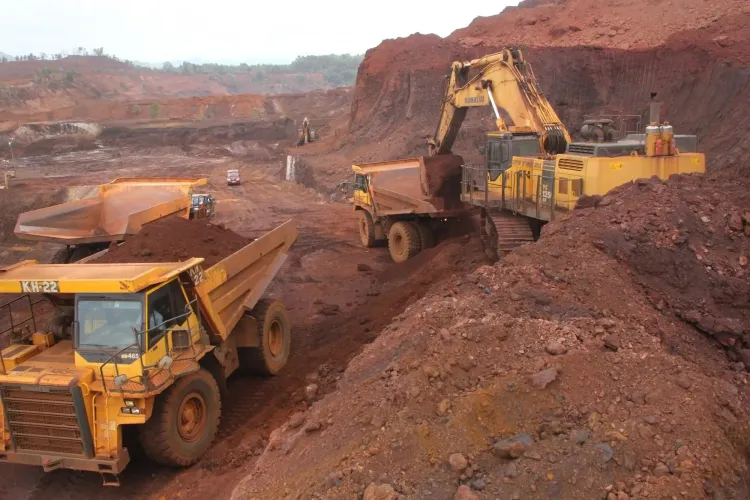
New Delhi, April 14 (NationPress) In an effort to minimize waste and enhance the use of low-grade iron ore, the government has modified regulations regarding the pricing of such ores, as announced by the Ministry of Mines on Tuesday.
This new amendment establishes a pricing structure for iron ore possessing iron (Fe) content below the 45 percent threshold, which includes Banded Haematite Quartzite (BHQ) and Banded Haematite Jasper (BHJ).
According to the updated rules, the average selling price (ASP) for iron ore with Fe content ranging from 35 to under 45 percent will be set at 75 percent of the ASP for ores in the 45 to below 51 percent grade category.
For ores containing Fe content below 35 percent, the ASP will be established at 50 percent of the aforementioned benchmark.
The threshold value signifies the minimum grade beneath which mined materials are generally classified as waste.
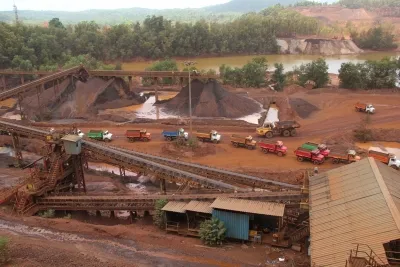
Nevertheless, due to advancements in beneficiation technologies, low-grade iron ores, such as BHQ and BHJ, can now be processed into high-grade materials suitable for steel production.
Prior to this amendment, there was no distinct pricing mechanism in place for these low-grade ores.
This lack of a dedicated pricing structure resulted in the ASP of higher-grade ore (45–51 percent Fe) being used for calculating royalties and other levies, making the beneficiation process economically unfeasible, according to government sources.
The newly established framework aims to rectify this issue and encourage the scientific and efficient use of low-grade iron ore resources.
The government further indicated that integrating these resources into the usable category will aid in addressing concerns regarding the depletion of high-grade reserves, ensuring a consistent supply of raw materials to the steel industry, and promoting mineral conservation.
The amendment also clarifies that in instances where processing run-of-mine (ROM) ore decreases its economic value, royalties will be imposed on lumps and fines after the initial screening of the unprocessed material.
This clarification is intended to ensure that the economic value of minerals is not artificially diminished under the guise of processing, according to the ministry.
Point of View
This amendment is a strategic move towards sustainability in the mining sector. By revising pricing norms, the government demonstrates a commitment to responsible resource management while ensuring the steel industry's raw material needs are met.
NationPress
16 Sept 2026
Frequently Asked Questions
What changes have been made to the pricing of low-grade iron ore?
The government has revised pricing norms, setting new average selling prices for low-grade iron ore, specifically for Fe content below 45 percent, to promote its utilization.
How does this amendment benefit the steel industry?
By allowing low-grade iron ore to be processed into usable materials, the amendment ensures a steady supply of raw materials for the steel industry, addressing concerns about high-grade ore depletion.
What is the significance of the threshold value mentioned?
The threshold value indicates the minimum grade below which mined materials are usually considered waste, highlighting the importance of utilizing low-grade ores.
Will royalties be affected by these new rules?
Yes, the amendment clarifies that royalties will be levied based on the economic value of processed materials, ensuring fair pricing during beneficiation.
How does this impact the environment?
The initiative to utilize low-grade iron ore is expected to promote mineral conservation and reduce waste in the mining sector, benefiting the environment.