HDFC Bank legal review clears Atanu Chakraborty's governance concerns
Synopsis
India's largest private sector bank has formally closed the book on former chairman Atanu Chakraborty's resignation controversy — but the review that cleared it was commissioned by the bank's own board, not an external regulator. With Rajiv Kumar's appointment now awaiting RBI sign-off, the regulator's response will be the real verdict on HDFC Bank's governance standing.
Key Takeaways
HDFC Bank's FY26 annual report states that an independent legal review found Atanu Chakraborty's resignation-letter concerns 'not substantiated' by records or witness interviews.
The review was conducted by domestic and international law firms, covering a two-year period before Chakraborty's 18 March resignation.
Findings were shared with the board on 26 June ; a special committee of only independent directors oversaw the process.
Mistry served as interim part-time chairman following Chakraborty's exit.
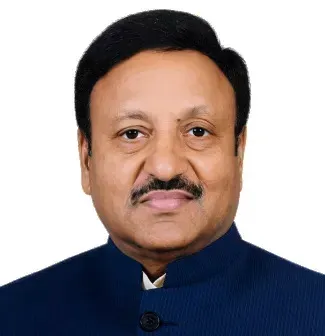
The board has appointed Rajiv Kumar as the new part-time chairman and independent director, pending RBI and shareholder approvals.
HDFC Bank has stated that an independent legal review did not substantiate the governance concerns raised by former part-time chairman Atanu Chakraborty in his resignation letter, according to the bank's FY26 annual report released on Saturday, 11 July 2025. The findings, shared with the board on 26 June, were based on a review of board minutes, meeting materials, communications, and interviews with independent directors and senior management.
What the Legal Review Found
Managing Director and CEO Sashidhar Jagdishan disclosed that the board commissioned both domestic and international law firms to examine Chakraborty's resignation statement — a step deemed necessary given that HDFC Bank's American Depositary Receipts (ADRs) are listed on the New York Stock Exchange (NYSE). The review covered a two-year period preceding Chakraborty's resignation.
According to Jagdishan, the external law firms concluded that the statement in the resignation letter and its implications 'were not substantiated by the record reviewed and witness interviews.' A special committee comprising only independent directors was constituted to oversee the review and manage information flow between the bank and the law firms.
The Governance Backdrop
Chakraborty stepped down as part-time chairman and independent director on 18 March, triggering significant speculation about the governance health of India's largest private sector lender. Keki M. Mistry was subsequently appointed interim part-time chairman. The episode drew heightened scrutiny given the bank's NYSE listing and its obligations to global investors.
In his message to shareholders, Mistry assured that the bank 'remains strongly rooted in strong corporate governance principles and values' and is 'fully committed to maintaining the highest standards of transparency, accountability and oversight.'
New Chairman Appointed
Following the conclusion of the legal review, the board appointed Rajiv Kumar as part-time chairman and independent director, subject to approvals from the Reserve Bank of India (RBI) and the bank's shareholders. The appointment signals the bank's intent to draw a line under the governance episode and restore stability at the board level.
What This Means for Stakeholders
The findings effectively close the formal inquiry into Chakraborty's claims, at least from the bank's perspective. However, independent analysts note that the review was commissioned and overseen by the bank's own board — a process that critics may argue lacks the full independence of a regulator-led probe. The RBI's clearance of Rajiv Kumar's appointment will be closely watched as a signal of the regulator's own comfort with the bank's governance posture going forward.
Point of View
Commissioned, and overseen by the very board whose conduct was in question. That structural limitation does not make the findings wrong, but it does mean the market and regulators are right to reserve judgement until the RBI weighs in on Rajiv Kumar's appointment. HDFC Bank's NYSE listing adds a layer of accountability that domestic lenders do not face — global institutional investors will scrutinise whether the process met the bar of genuine independence. The real test is not whether the board clears itself, but whether the regulator and shareholders accept that clearance without condition.
NationPress
10 Oct 2026
Frequently Asked Questions
What did HDFC Bank's legal review find about Atanu Chakraborty's resignation?
The independent legal review, conducted by domestic and international law firms, concluded that the concerns raised by Chakraborty in his resignation letter were not substantiated by board records, meeting materials, communications, or witness interviews. The findings were shared with the board on 26 June.
Why did HDFC Bank commission an international law firm for the review?
HDFC Bank's American Depositary Receipts (ADRs) are listed on the New York Stock Exchange, which subjects the bank to heightened disclosure and governance obligations for global investors. Commissioning international law firms was intended to lend credibility and meet those cross-border standards.
Who is replacing Atanu Chakraborty as HDFC Bank chairman?
The board has appointed Rajiv Kumar as part-time chairman and independent director. The appointment is subject to approvals from the Reserve Bank of India and the bank's shareholders.
What role did Keki M. Mistry play after Chakraborty's resignation?
Keki M. Mistry was appointed interim part-time chairman following Chakraborty's resignation on 18 March. In the FY26 annual report, Mistry assured shareholders of the bank's commitment to transparency, accountability, and corporate governance.
Does the legal review fully resolve HDFC Bank's governance concerns?
The review formally closes the bank's internal inquiry, but it was commissioned and overseen by the bank's own board rather than an external regulator. The Reserve Bank of India's decision on Rajiv Kumar's appointment will be a key signal of regulatory confidence in the bank's governance going forward.