India-Chile CEPA talks accelerate, both sides target 2026 deal

Synopsis
India and Chile are racing to wrap up a full Comprehensive Economic Partnership Agreement by end-2026 — a deal that could reshape India's economic footprint in Latin America. With talks now at vice-ministerial level in Santiago and sectors from pharmaceuticals to minerals on the table, this is one of India's most consequential ongoing trade negotiations outside Asia.
Key Takeaways
India and Chile are targeting conclusion of CEPA negotiations within 2026 , the Ministry of Commerce and Industry confirmed on 30 August .
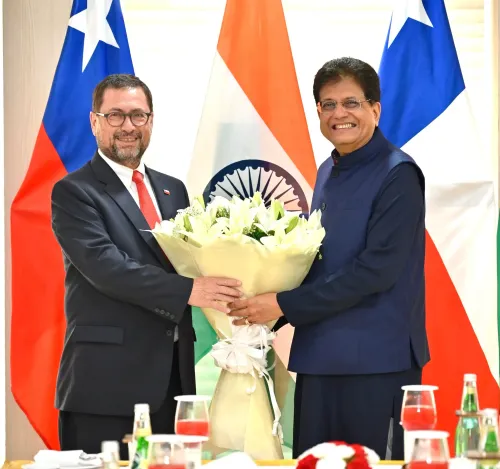
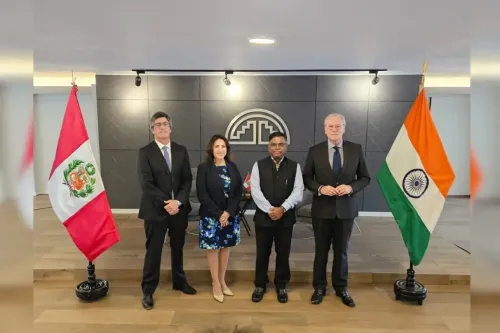
Commerce Secretary Rajesh Agrawal met Vice-Minister Paula Estevez Weinstein in Santiago on 26 August to advance the talks.
Key sectors identified for expanded engagement include healthcare , pharmaceuticals , energy , minerals , agriculture , machinery , and engineering .
Both countries cited their shared Global South membership as a strategic foundation for closer economic ties.
The proposed pact aims to deliver greater market access , investment protection , and cooperation in technology and resilient supply chains .
India and Chile have intensified negotiations for a Comprehensive Economic Partnership Agreement (CEPA), with both governments pushing to conclude the trade pact within 2026, the Ministry of Commerce and Industry said on Sunday, 30 August. The announcement signals a clear acceleration in bilateral economic diplomacy between the two Global South nations.
Key Developments in Santiago
Commerce Secretary Rajesh Agrawal met Chile's Vice-Minister of International Economic Relations Paula Estevez Weinstein in Santiago on 26 August to advance discussions on the proposed agreement. The meeting underscored both sides' intent to move beyond exploratory dialogue toward a commercially actionable framework.
India reiterated its commitment to an open, sustained, and balanced approach to the negotiations, with the stated objective of creating meaningful opportunities for businesses and people in both countries.
Sectors in Focus
Agrawal highlighted significant untapped potential for economic engagement across healthcare, pharmaceuticals, energy, minerals, agriculture, machinery, and engineering. The proposed CEPA is expected to provide greater market access while strengthening cooperation across trade and investment channels.
The pact is also expected to open new avenues in technology, talent mobility, and resilient supply chains — areas of growing strategic importance for both economies.
Shared Strategic Ground
Both sides highlighted their shared identity as members of the Global South and a common strategic outlook as a strong foundation for deeper economic cooperation. This framing positions the CEPA not merely as a trade instrument but as part of a broader alignment between two emerging economies seeking to diversify their international partnerships.
Notably, India has been actively pursuing bilateral trade agreements across Latin America, and the Chile CEPA — if concluded — would mark one of its most significant economic engagements in the region.
What a Successful Deal Could Deliver
A concluded agreement is expected to provide a structured framework for market access, investment protection, and supply chain integration. Both delegations stressed the need for the CEPA to deliver concrete, commercially viable outcomes — language that signals a shared wariness of agreements that look ambitious on paper but underdeliver in practice.
With negotiations now targeting a 2026 conclusion, the next rounds of talks will be closely watched by trade bodies and exporters in sectors such as pharmaceuticals and minerals, where bilateral complementarity is strongest.
Point of View
But the timeline is ambitious — similar bilateral pacts have slipped by years. The emphasis on 'balanced and mutually beneficial' outcomes is diplomatic boilerplate that will only be tested when tariff schedules and services commitments are tabled. Chile's mineral wealth — particularly lithium — and India's pharmaceutical and IT capabilities suggest genuine complementarity, but converting that into enforceable trade commitments is where past South-South agreements have stalled. The real measure of seriousness will be whether negotiating rounds accelerate in the months ahead or the 2026 target quietly recedes.
NationPress
30 Aug 2026
Frequently Asked Questions
What is the India-Chile CEPA?
The India-Chile Comprehensive Economic Partnership Agreement (CEPA) is a proposed bilateral trade and investment pact aimed at expanding market access, strengthening supply chains, and deepening economic cooperation between the two countries. Negotiations are currently ongoing, with both sides targeting a conclusion within 2026.
What happened at the Santiago meeting on 26 August?
Commerce Secretary Rajesh Agrawal met Chile's Vice-Minister of International Economic Relations Paula Estevez Weinstein in Santiago on 26 August to advance CEPA negotiations. Both sides reaffirmed their commitment to a balanced agreement delivering commercially viable outcomes for businesses in both countries.
Which sectors could benefit from the India-Chile CEPA?
Key sectors identified for expanded engagement include healthcare, pharmaceuticals, energy, minerals, agriculture, machinery, and engineering. The agreement is also expected to foster cooperation in technology, talent mobility, and resilient supply chains.
When is the India-Chile CEPA expected to be concluded?
India is targeting the completion of CEPA negotiations within 2026, according to the Ministry of Commerce and Industry. The timeline is subject to the pace of ongoing negotiating rounds between the two governments.
Why does the India-Chile trade deal matter for India?
A concluded CEPA with Chile would mark one of India's most significant bilateral trade agreements in Latin America, potentially opening new markets for Indian pharmaceuticals, IT services, and manufactured goods while securing access to Chilean minerals, including lithium — a critical input for India's EV and energy storage ambitions.