India may make annual pilot drug tests mandatory, says Civil Aviation Minister

Synopsis
India is weighing a sweeping overhaul of pilot drug-testing rules — from spot-checking 10% of pilots to mandatory annual tests for every licensed aviator. The push comes directly in the wake of an Air India Phuket-Delhi flight that lost 300 feet of altitude mid-cruise, after which the pilot-in-command reportedly tested positive for marijuana. With 400 pilots already screened and two more grounded, the pressure on the DGCA to act is unmistakable.
Key Takeaways
Civil Aviation Minister Ram Mohan Naidu Kinjarapu announced on 25 August that the government is considering annual mandatory drug tests for all pilots in India.
Current DGCA rules require only 10 per cent of the pilot network to be tested — the proposed change would cover 100 per cent , once a year.
Air India flight AI2379 lost around 300 feet of altitude on 4 August due to a hydraulic failure; at least 17 people were injured.
The pilot-in-command of the Phuket-Delhi flight reportedly tested positive for marijuana in a confirmatory drug test.
Around 400 Air India pilots have been screened; two additional pilots failed preliminary tests and were grounded pending confirmatory results.
The Federation of Indian Pilots has urged the DGCA to adopt faster saliva-based testing methods used in Australia and the US .
Civil Aviation Minister Ram Mohan Naidu Kinjarapu on Tuesday, 25 August said the government is actively considering making annual drug tests compulsory for every licensed pilot in India, a significant expansion from the existing rule that requires only 10 per cent of the overall pilot network to be tested. The proposal is currently under stakeholder consultation by the Directorate General of Civil Aviation (DGCA) in New Delhi.
What the Proposed Regime Would Change
Under the current regulatory framework, random drug testing covers just 10 per cent of India's pilot community at any given time. The new proposal, if adopted, would require every pilot to undergo a drug test once a year at a randomly selected time — a shift that would dramatically increase both coverage and accountability.
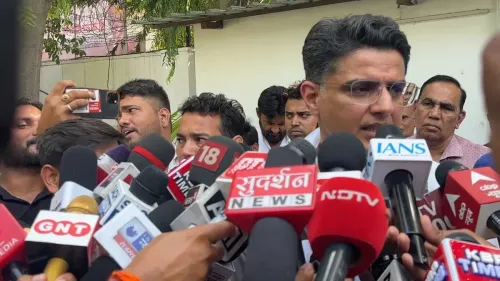
'Right now, the rule says 10 per cent across the overall pilot network,' Naidu told reporters in the national capital, adding that the DGCA is evaluating both the safety benefits and the operational implications before arriving at a final decision.
The Air India Phuket-Delhi Incident That Triggered Scrutiny
The proposal comes amid heightened regulatory scrutiny following the Air India flight AI2379 incident on 4 August. The Airbus A320, operating the Phuket-to-Delhi route, suffered a hydraulic failure mid-cruise and lost approximately 300 feet of altitude before stabilising and landing safely in Delhi. At least 17 people, including cabin crew members, were injured in the incident.
The episode drew additional concern after a confirmatory drug test of the pilot-in-command reportedly returned positive for marijuana. Air India subsequently expanded drug screening across its pilot workforce, and two more pilots were found to have failed preliminary drug tests. Both were removed from flight duties as a precaution, pending confirmatory test results. Approximately 400 pilots have been screened so far under the airline's expanded testing exercise.
Investigation Status and What Comes Next
The minister confirmed that the Aircraft Accident Investigation Bureau (AAIB) is examining the flight data recorder and other aircraft systems in connection with the Air India incident. A preliminary report could be released soon, according to Naidu. He also clarified that the stakeholder consultations on strengthening drug-testing rules are being conducted separately from the ongoing investigation into the incident.
Industry Pushes for Faster Testing Methods
The Federation of Indian Pilots has weighed in on the debate, urging the DGCA to consider faster oral-fluid or saliva-based drug testing methods — similar to those already in use in countries such as Australia and the United States. Proponents argue that such methods could enable more frequent and operationally less disruptive screening without compromising accuracy.
This is the most significant proposed overhaul of India's pilot drug-testing regime in recent memory, and the final shape of the policy will likely depend on how the DGCA balances aviation safety imperatives against workforce logistics. A formal decision is expected once stakeholder consultations conclude.
Point of View
Not a safety net. The Air India incident has simply made that gap impossible to ignore. The real question is not whether to expand testing, but whether the DGCA can build the infrastructure to do it credibly: accredited labs, tamper-proof chain-of-custody, and rapid confirmatory protocols. Without those, a 100%-coverage mandate on paper could still produce the same enforcement gaps as the old 10% rule. The Federation of Indian Pilots' push for saliva-based testing is pragmatically sound, but the DGCA must also address what happens between annual tests — a once-a-year screen with a known calendar window is not the same as genuinely random deterrence.
NationPress
9 Oct 2026
Frequently Asked Questions
What is India's proposed new rule on pilot drug testing?
The government is considering making annual drug tests mandatory for every licensed pilot in India, replacing the current system that tests only 10 per cent of the pilot network. The DGCA is consulting stakeholders before a final decision is made.
What triggered the push for stricter pilot drug tests in India?
The proposal follows the Air India flight AI2379 incident on 4 August, where an Airbus A320 on the Phuket-Delhi route lost around 300 feet of altitude mid-cruise after a hydraulic failure. The pilot-in-command reportedly tested positive for marijuana in a confirmatory drug test, intensifying scrutiny of existing regulations.
How many Air India pilots have been tested so far?
Approximately 400 Air India pilots have been screened as part of the airline's expanded drug testing exercise. Two pilots were found to have failed preliminary drug tests and were removed from flight duties pending confirmatory results.
What did the Federation of Indian Pilots recommend to the DGCA?
The Federation of Indian Pilots urged the DGCA to adopt faster oral-fluid or saliva-based drug testing methods, similar to those used in Australia and the United States, arguing these would be less operationally disruptive while maintaining accuracy.
What is the status of the investigation into the Air India Phuket-Delhi incident?
The Aircraft Accident Investigation Bureau (AAIB) is examining the flight data recorder and other aircraft systems. Civil Aviation Minister Ram Mohan Naidu Kinjarapu said a preliminary report could be released soon, and that the drug-testing consultation is being conducted separately from this investigation.